Cattelan Italia vs Bontempi vs Tonin Casa: tables, chairs, credenzas, coffee tables and coat stands compared
Three Italian factories make dining and living-room furniture that looks alike in a catalogue, yet the price gap between them changes from one category to the next. Below: what each factory does best, real Mebeltour prices in euros, and where the difference is worth paying.
We buy directly from Italian factories for our clients, with a fixed 5% commission, and the saving against dealer retail is usually 40–55%. Clients keep asking us the same thing: how does Cattelan Italia differ from Bontempi and Tonin Casa, and which one wins in which category? Photos first, then the detailed breakdown.
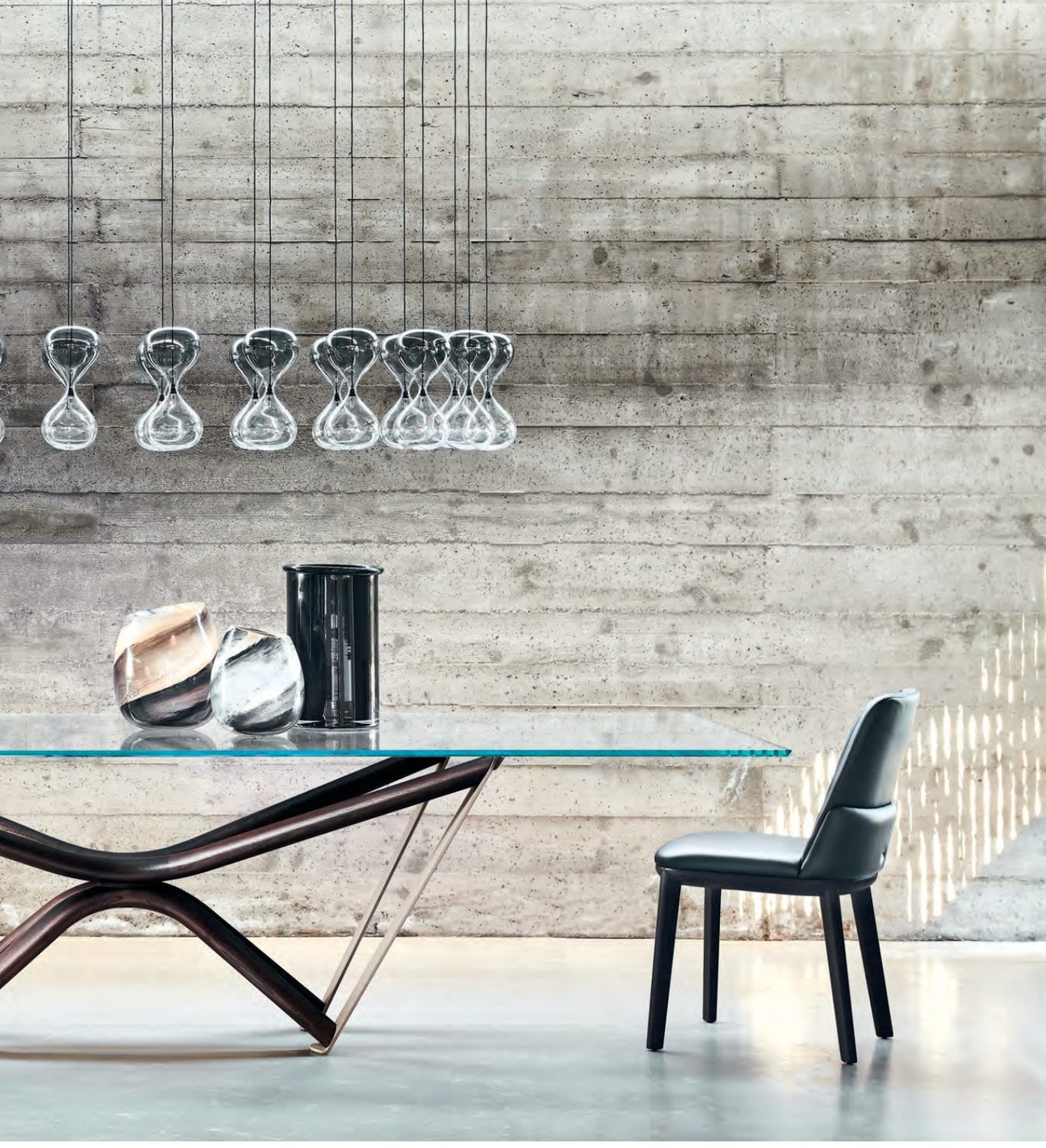
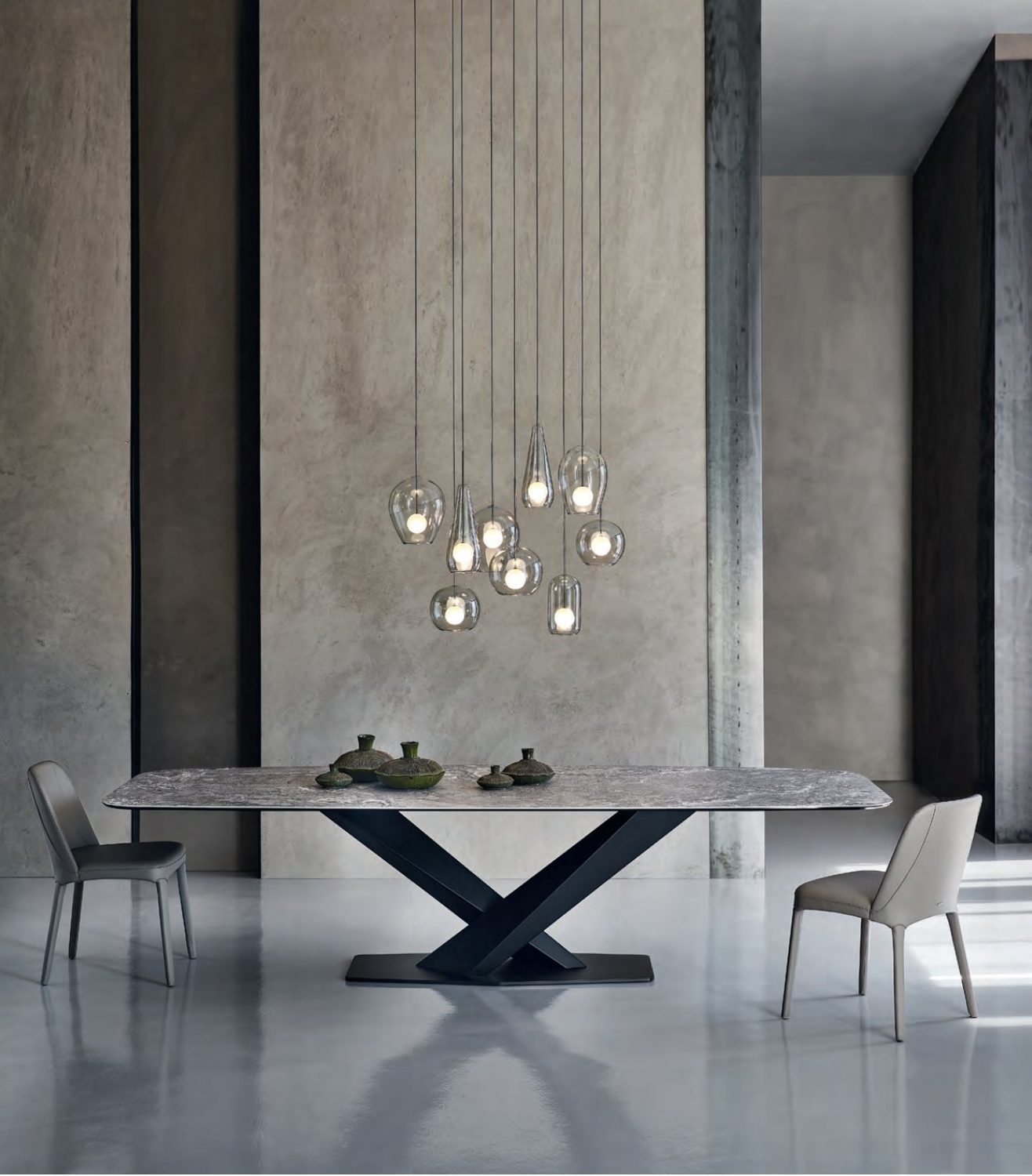
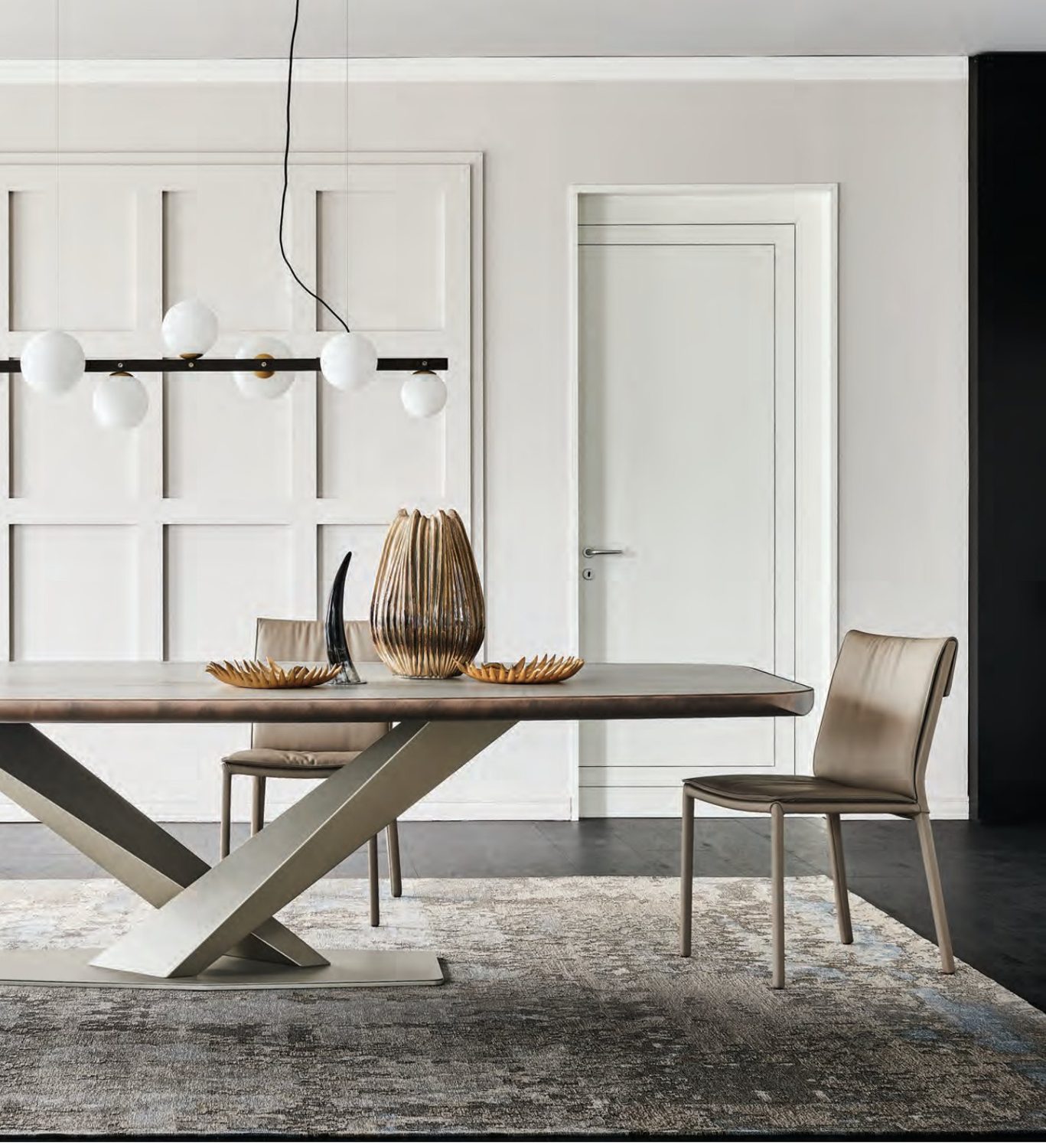
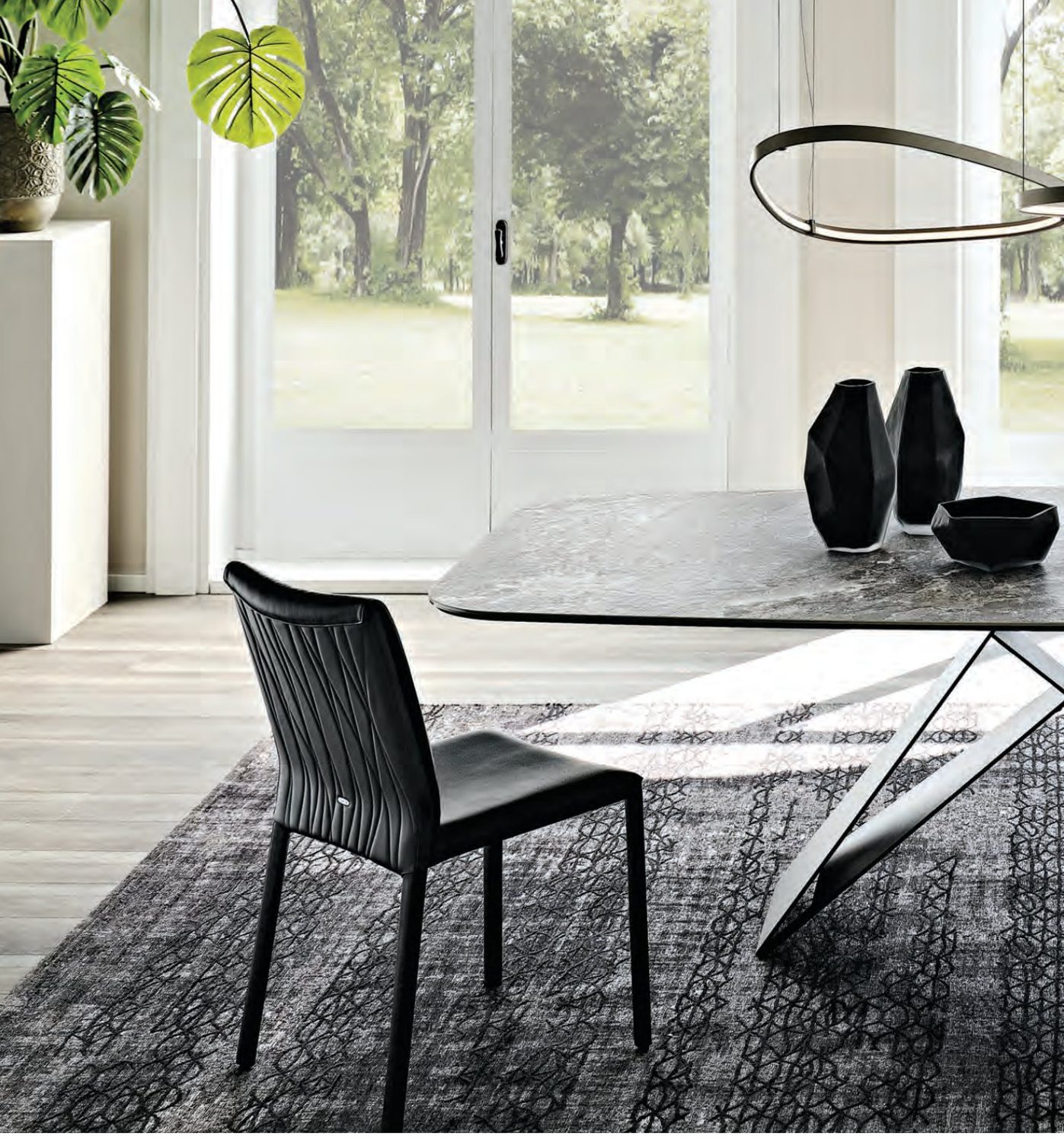
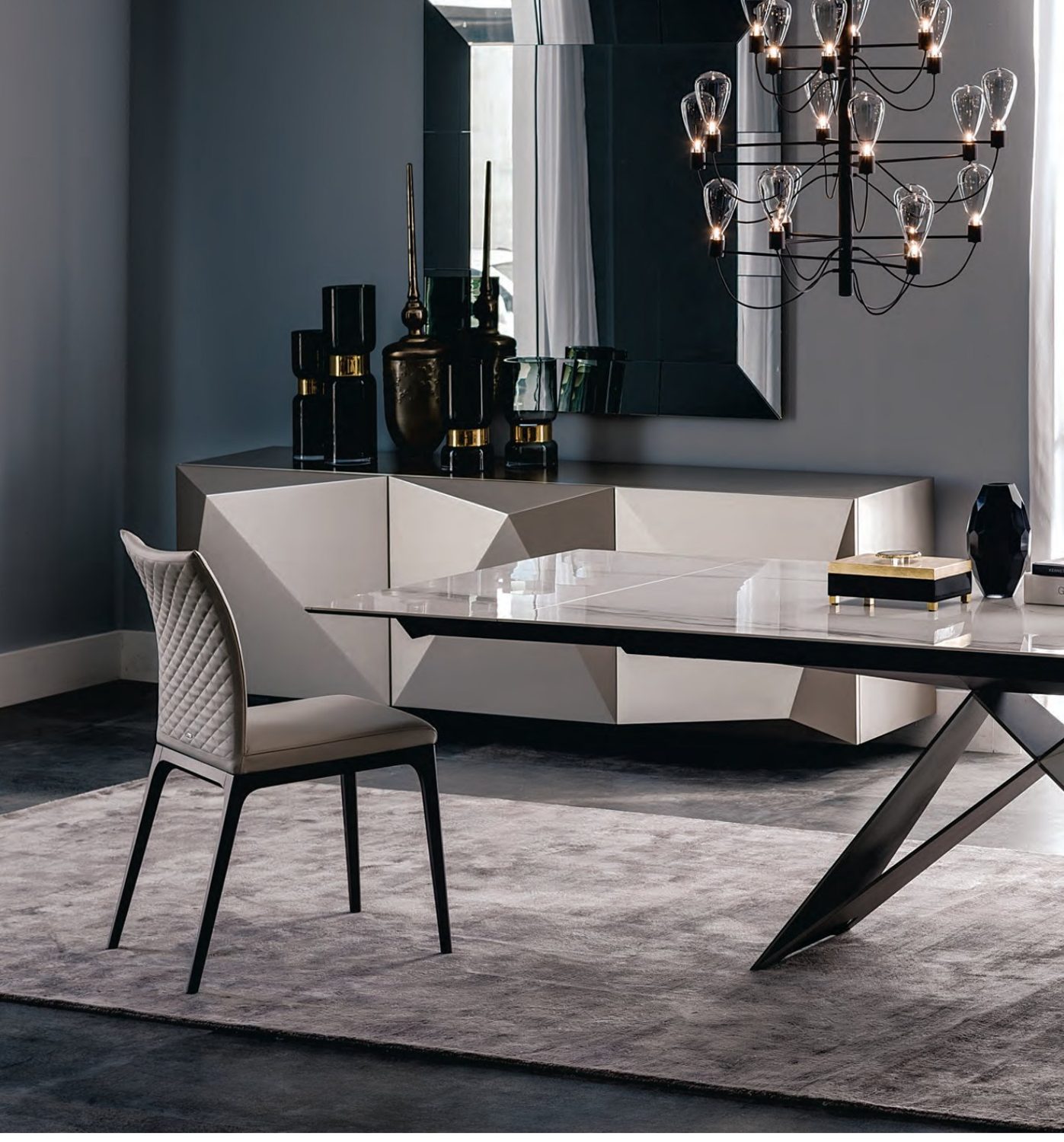
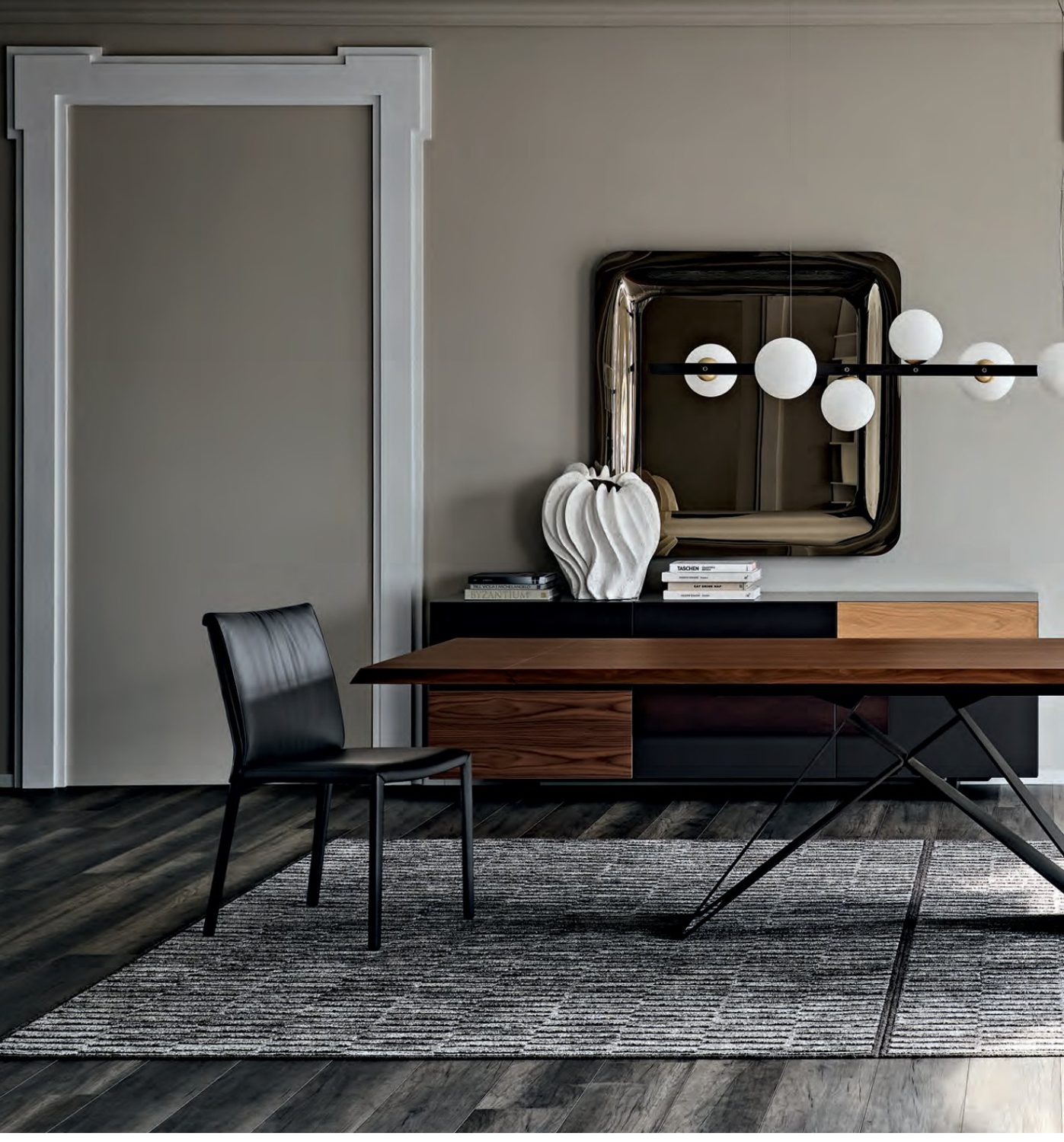
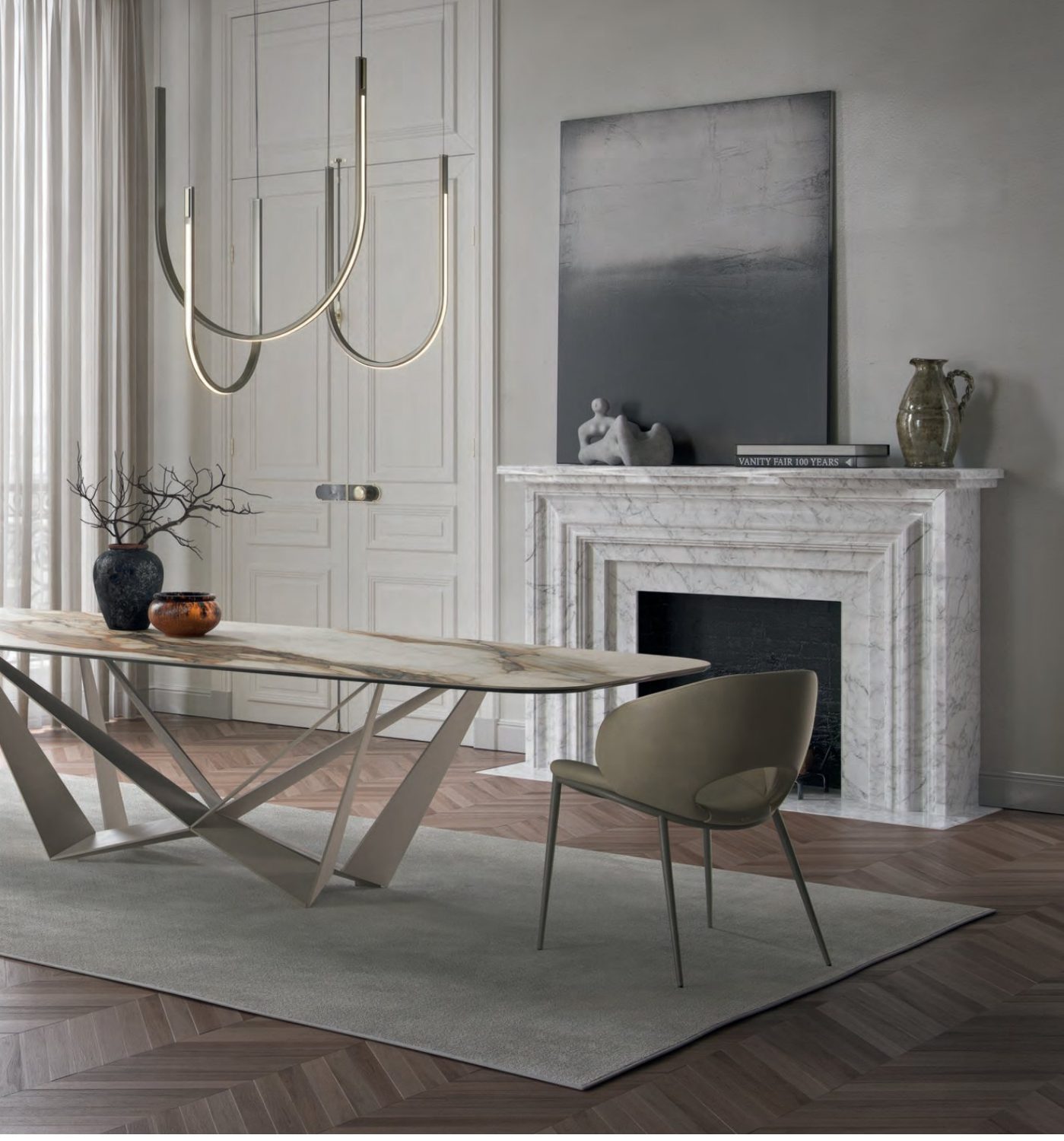
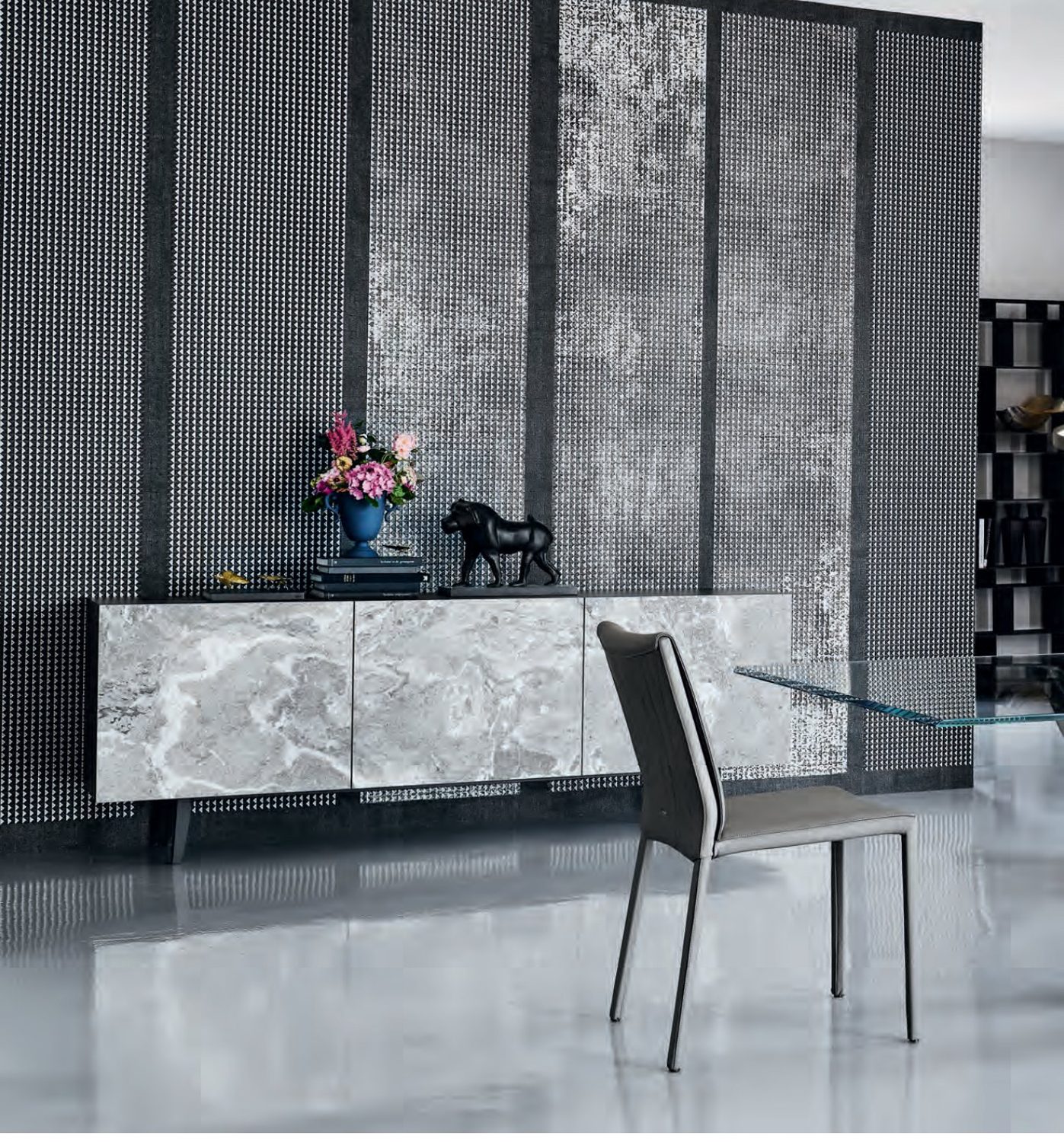
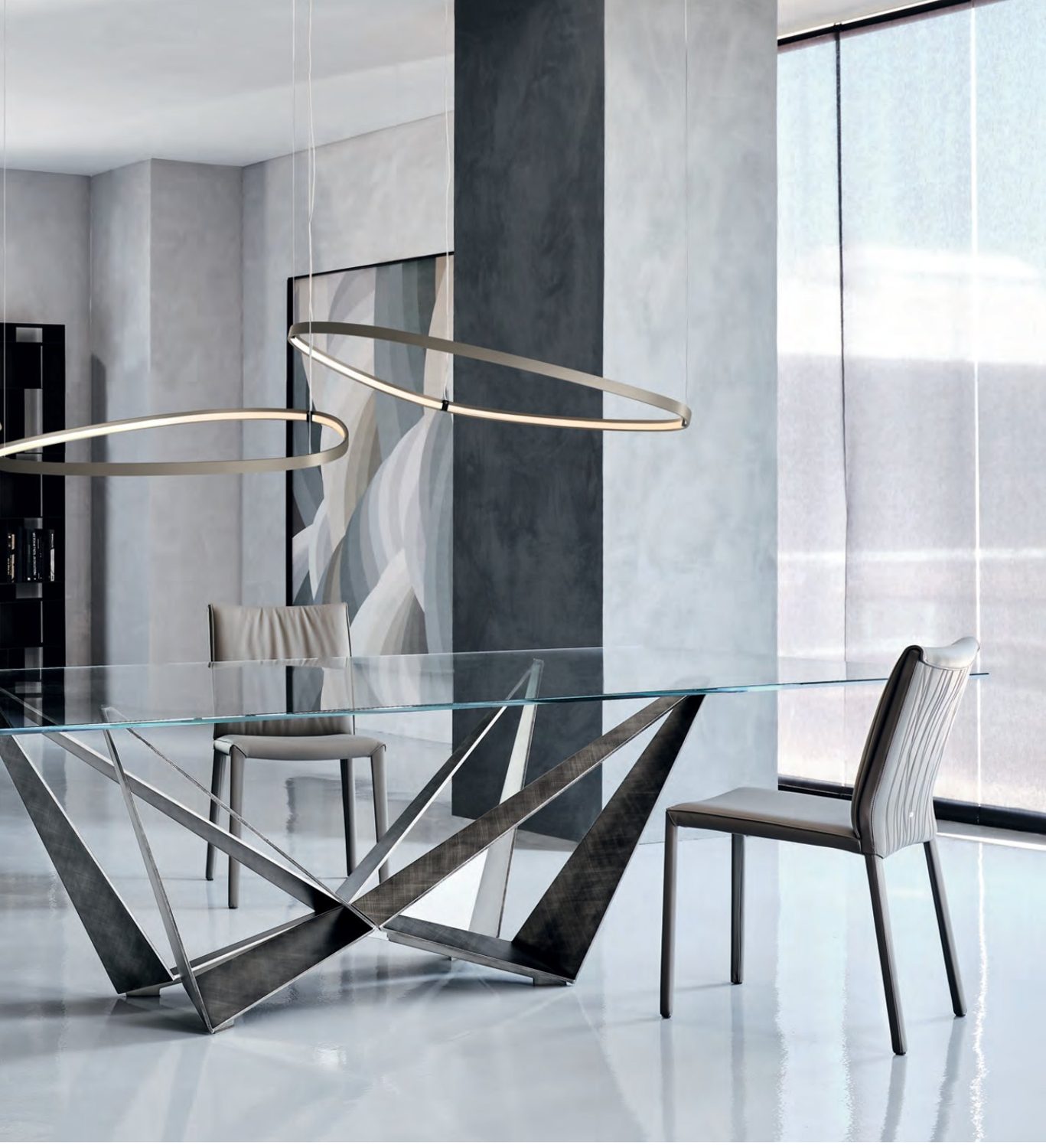
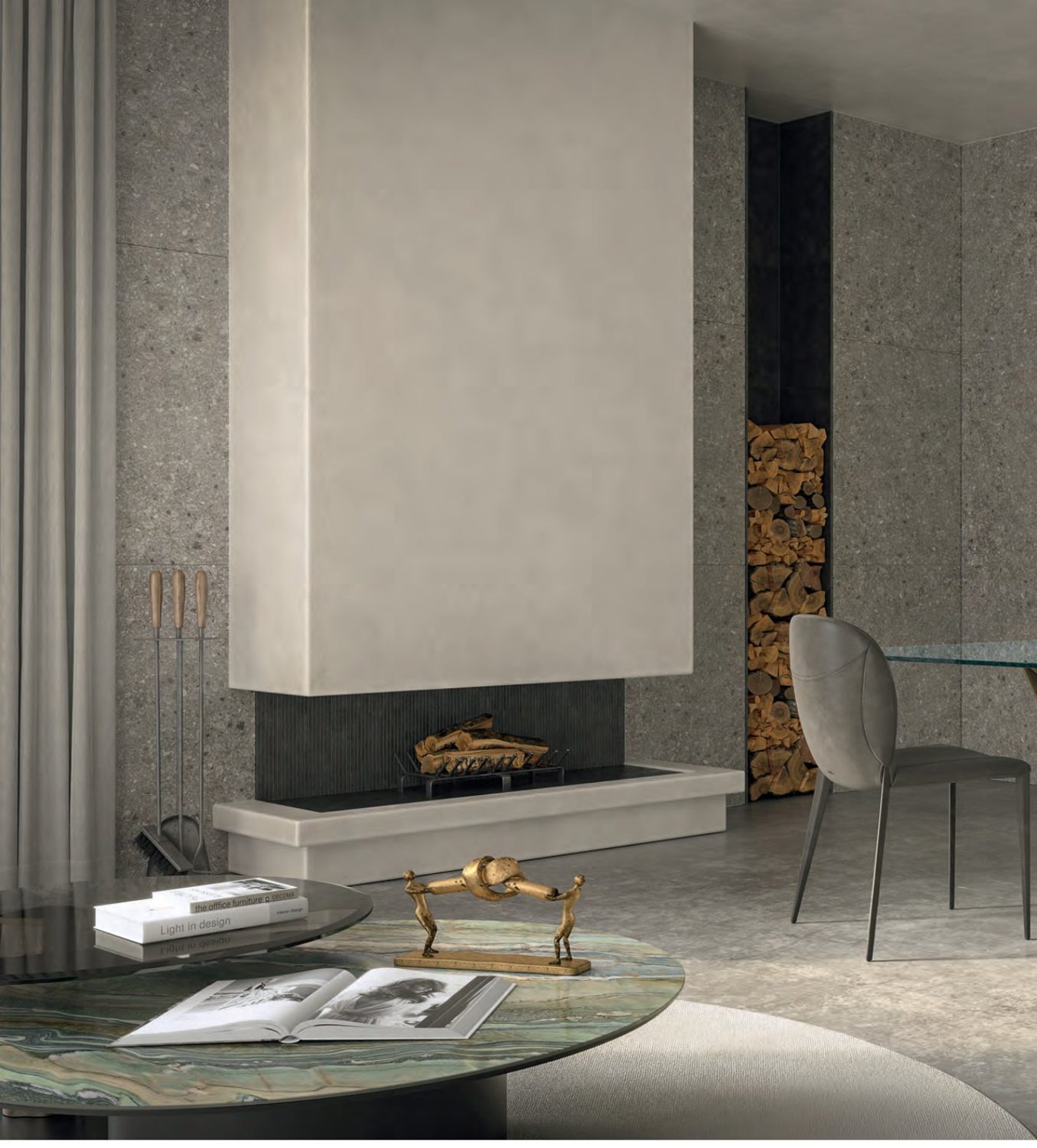
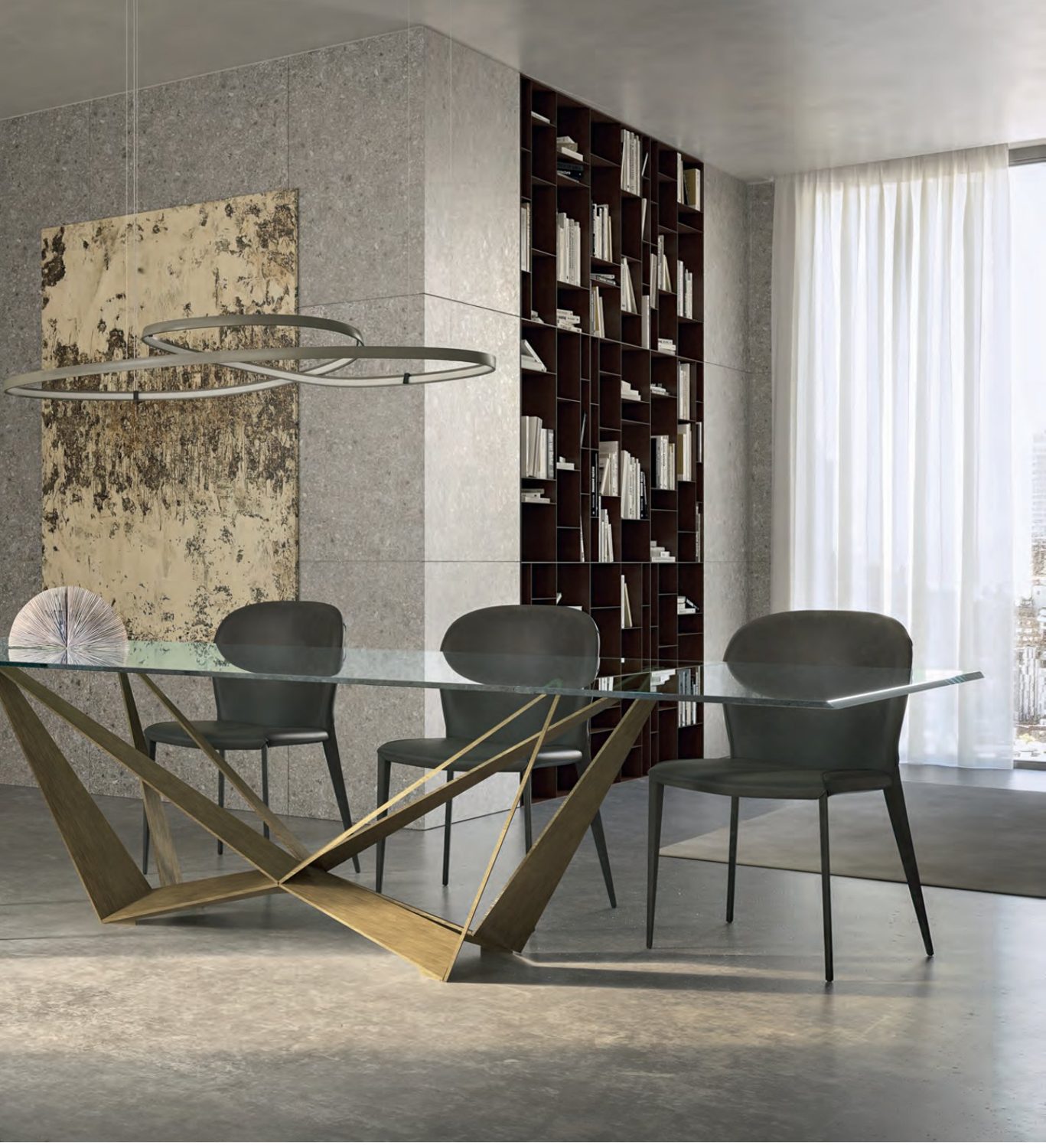
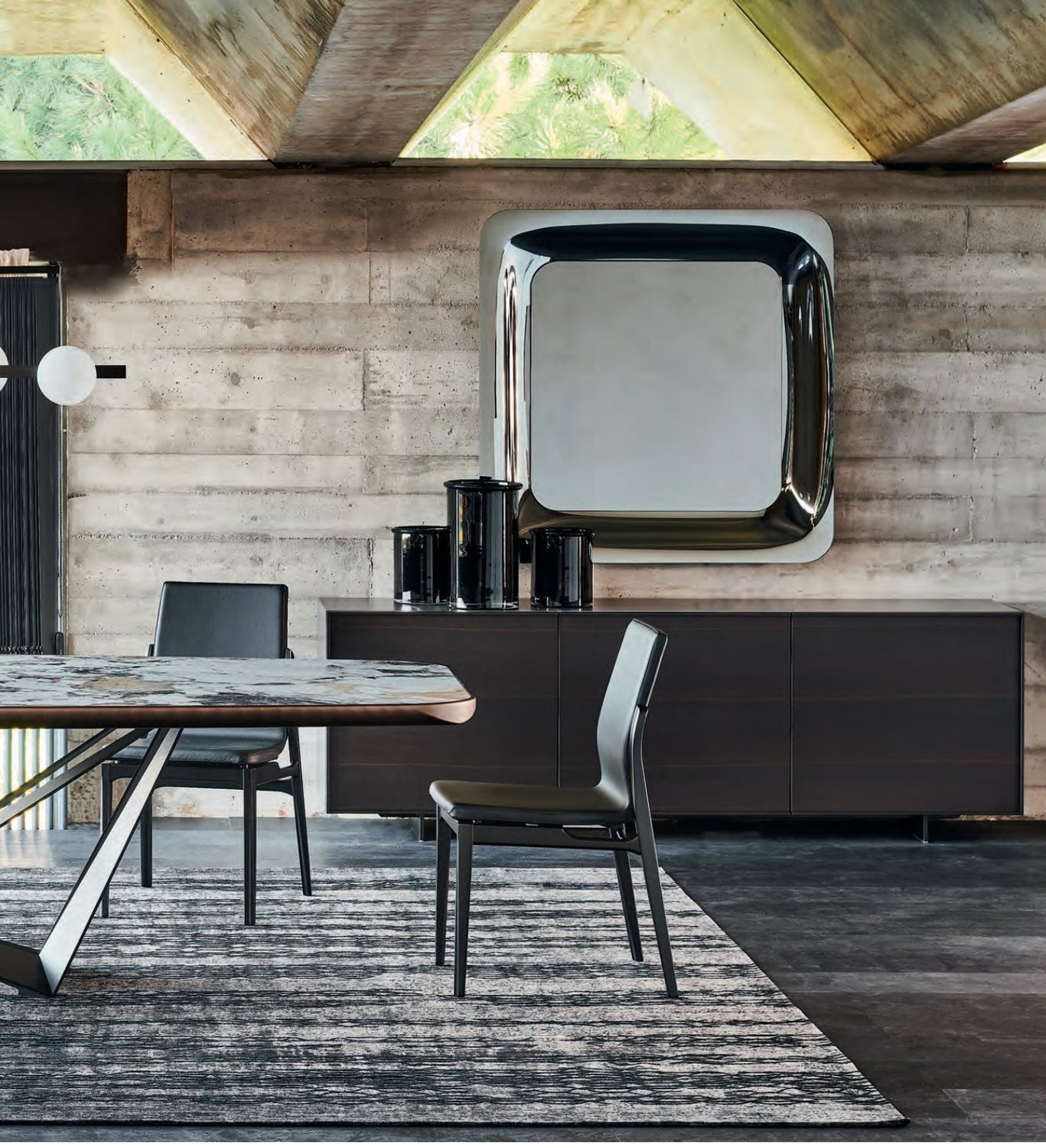
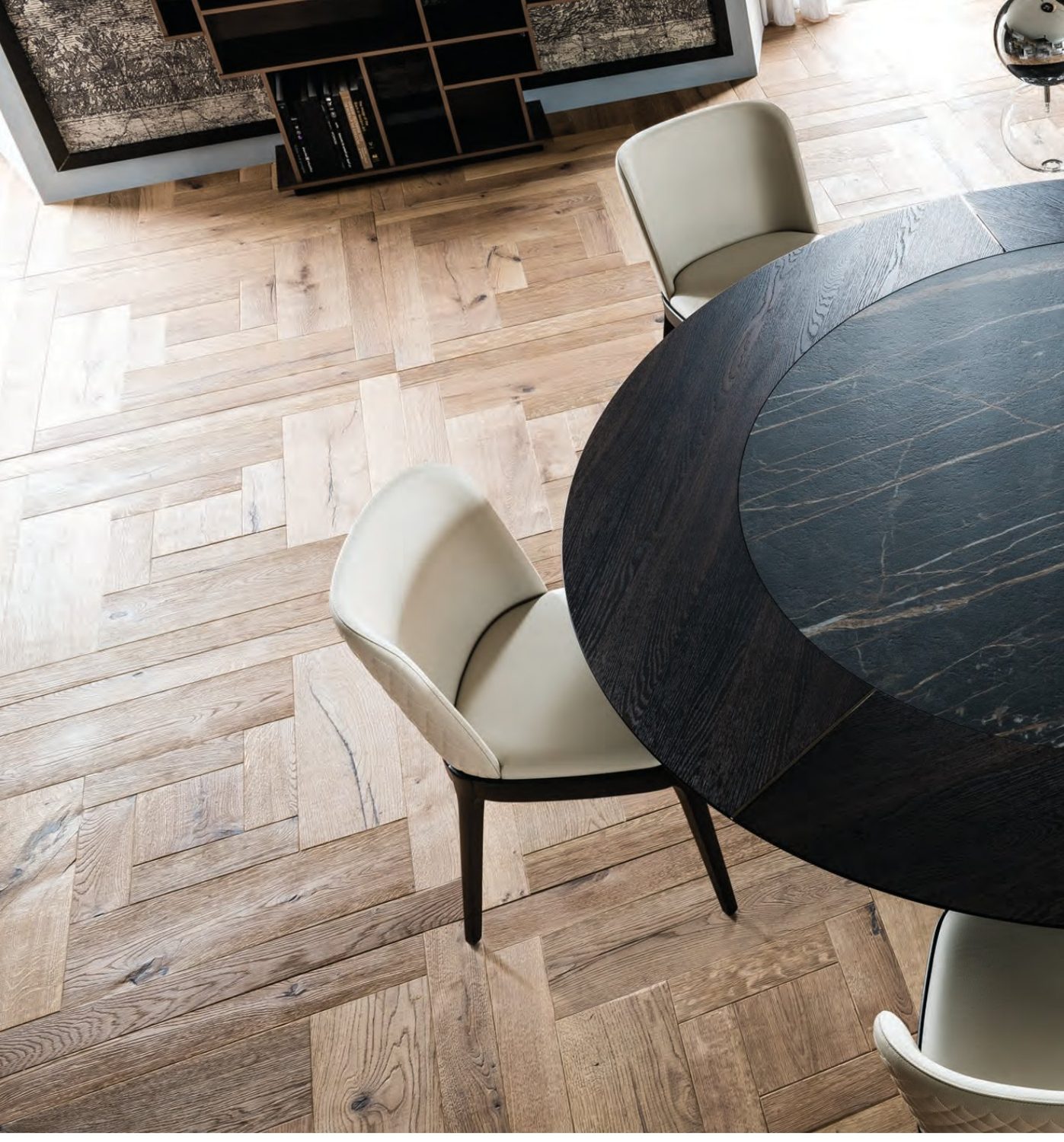
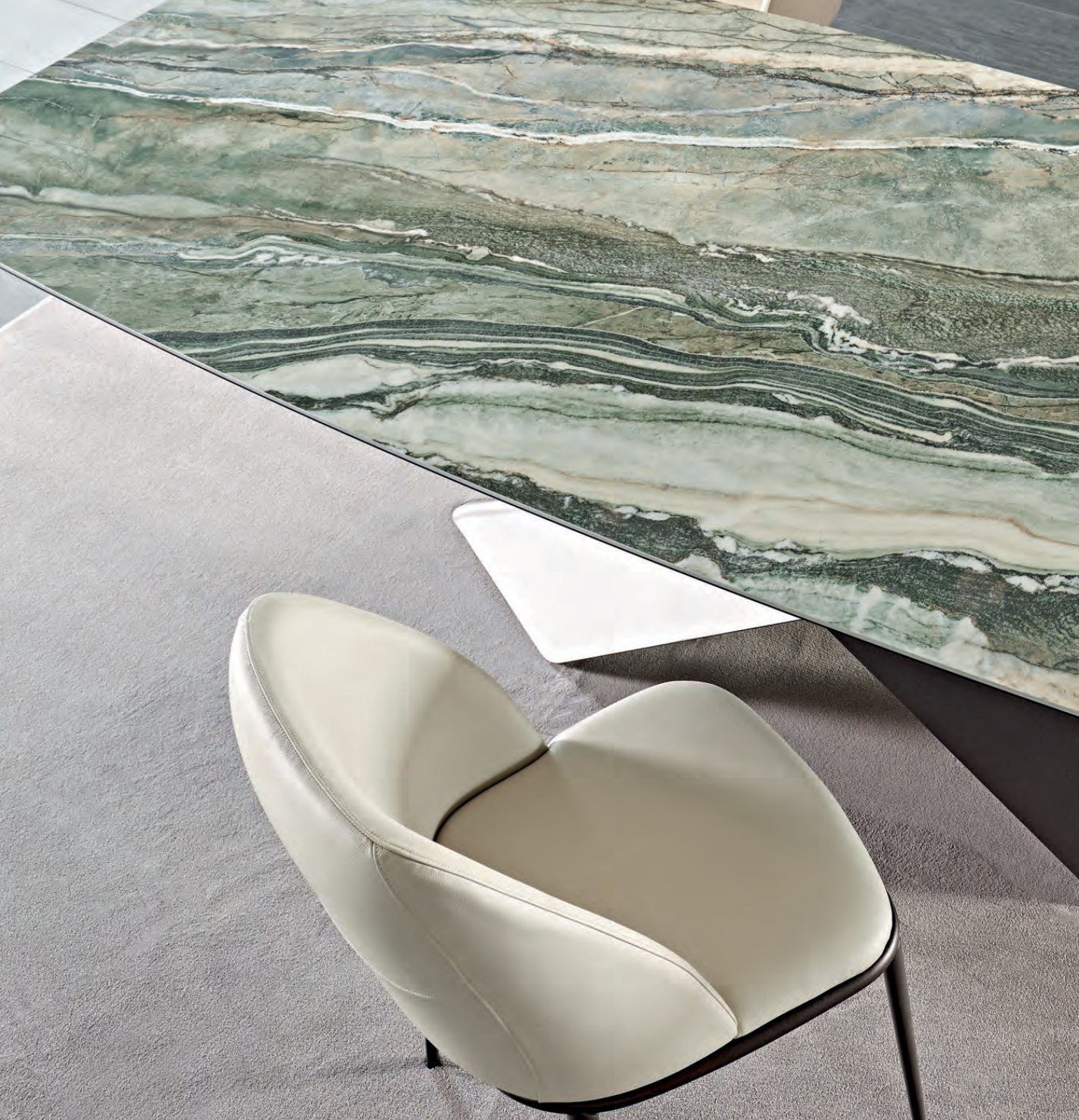
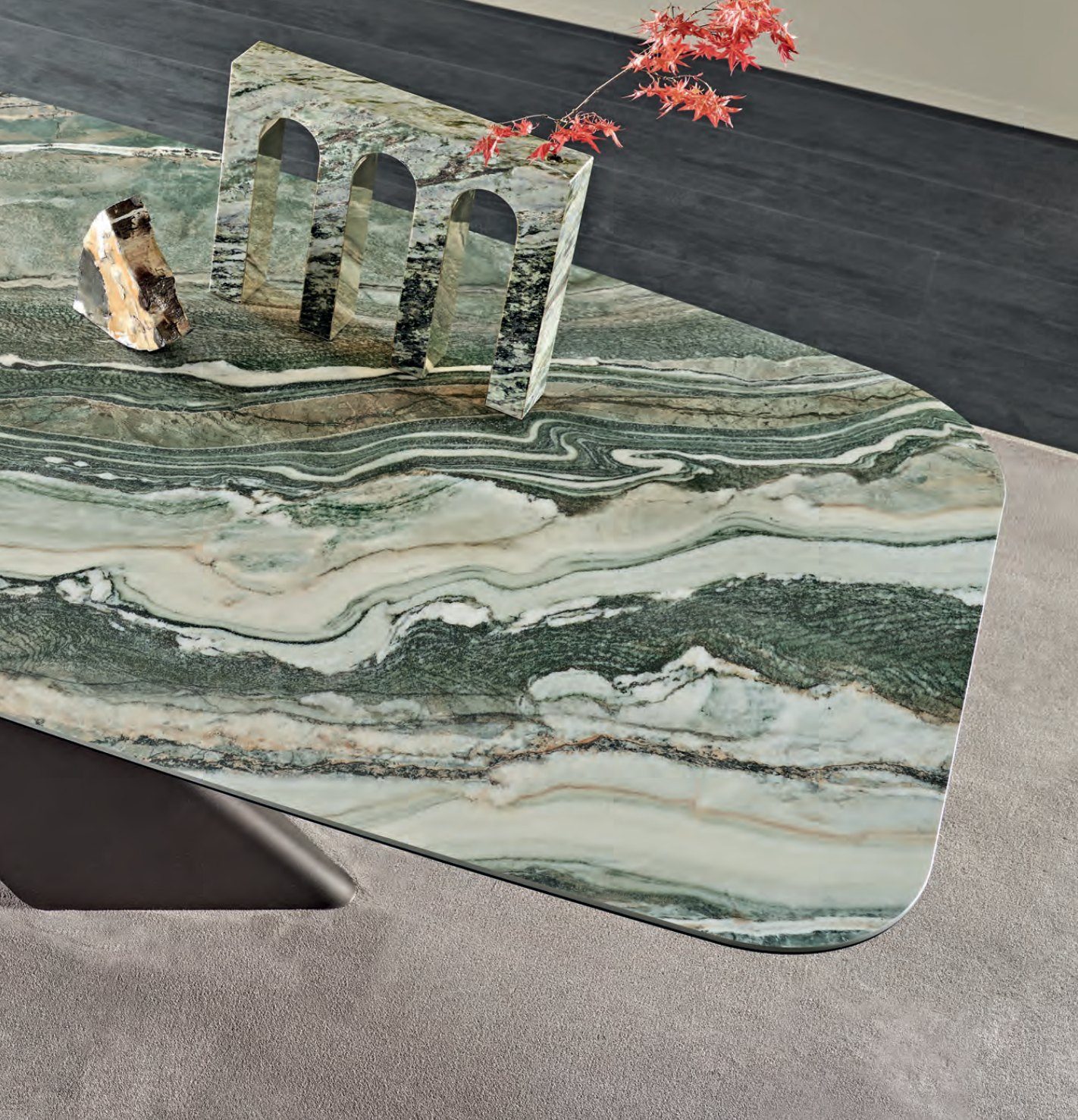
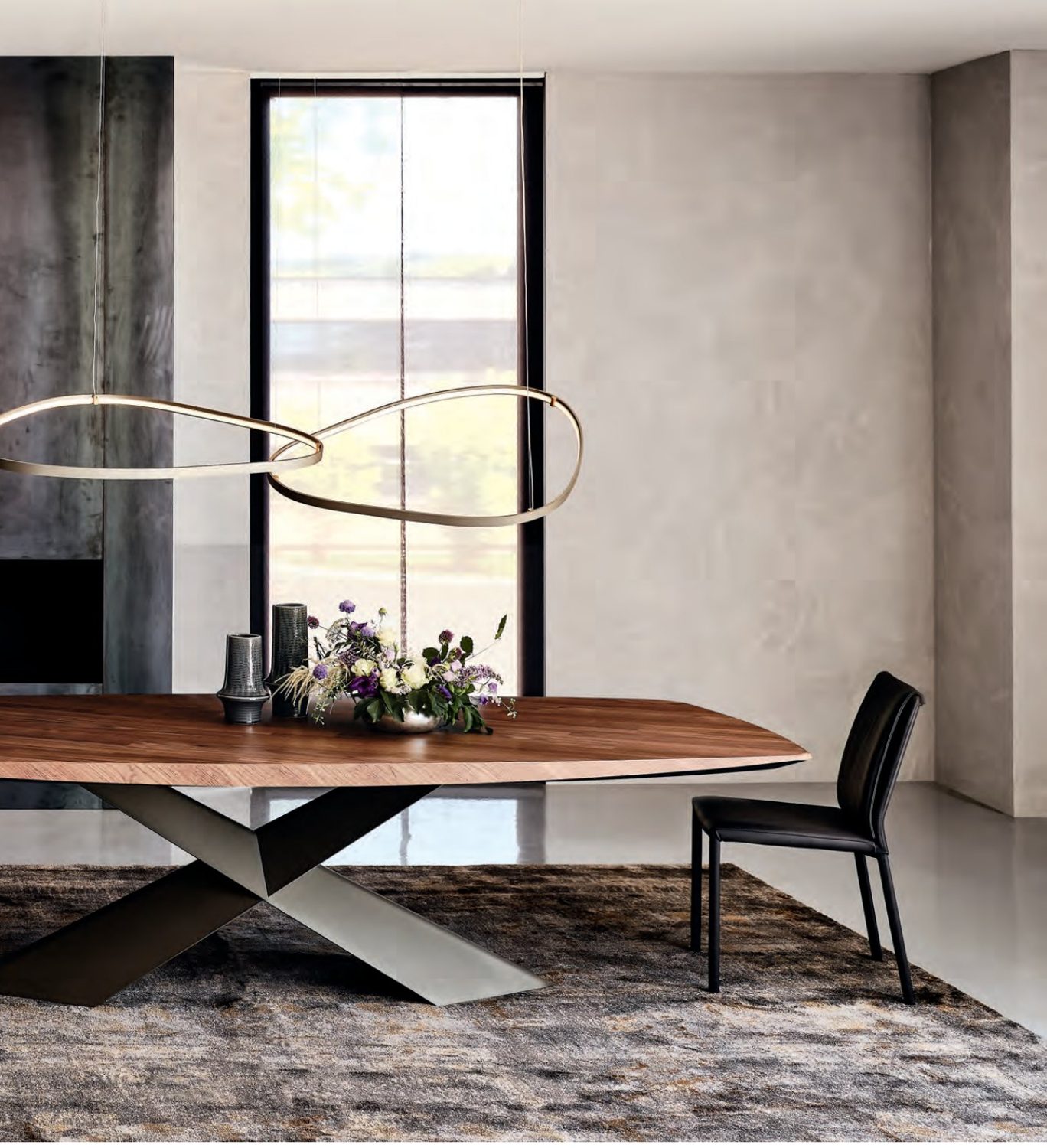
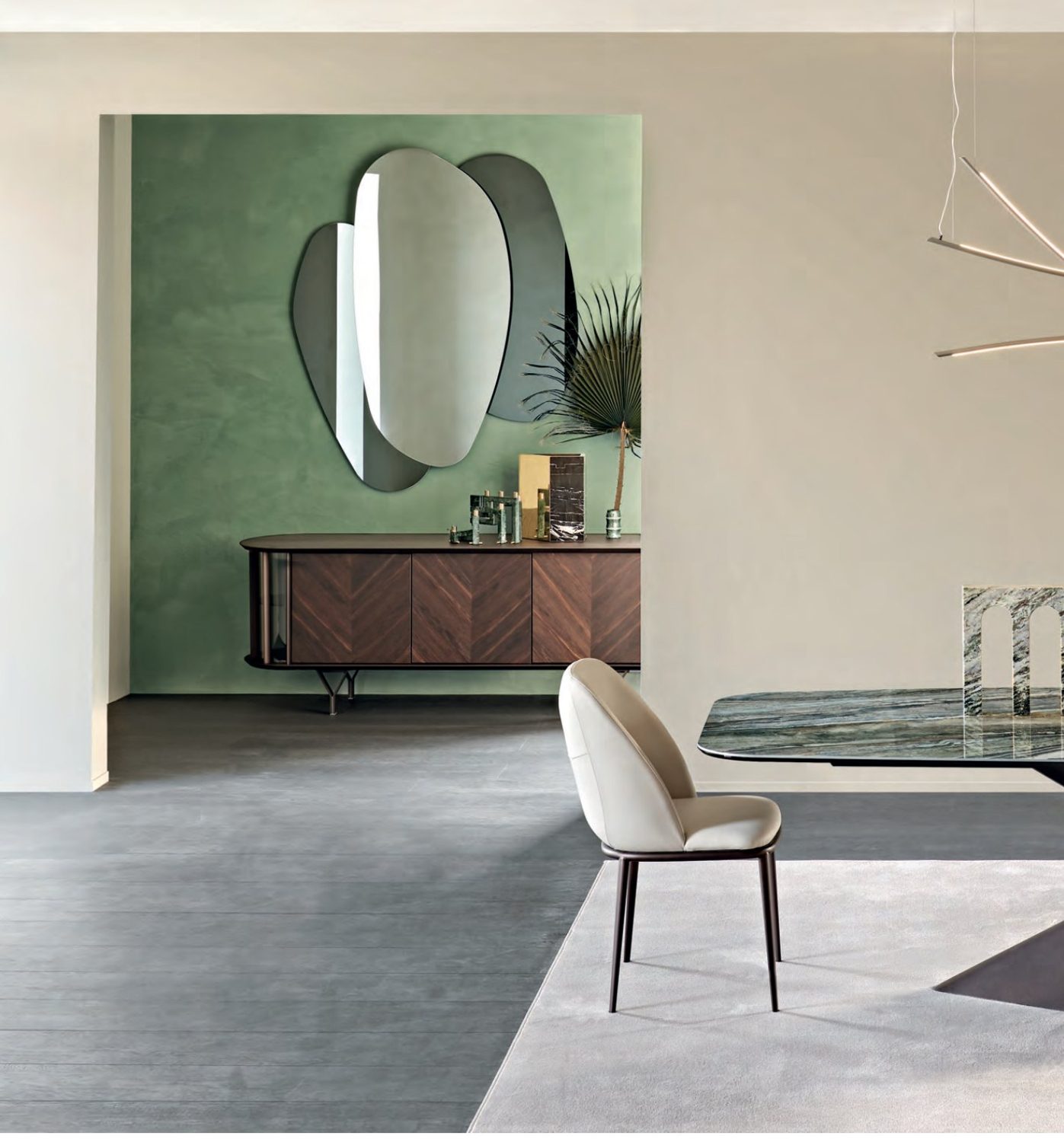
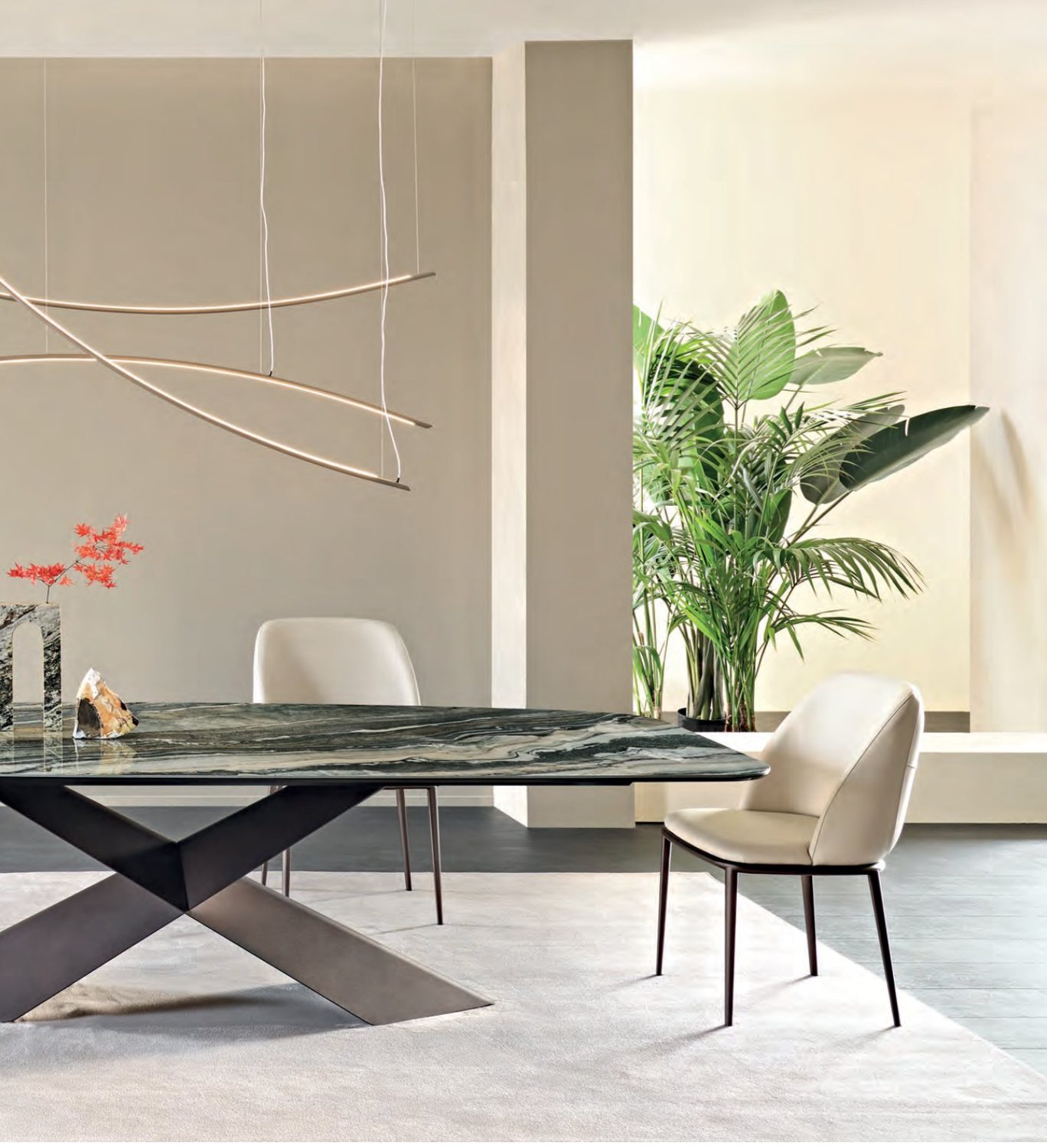
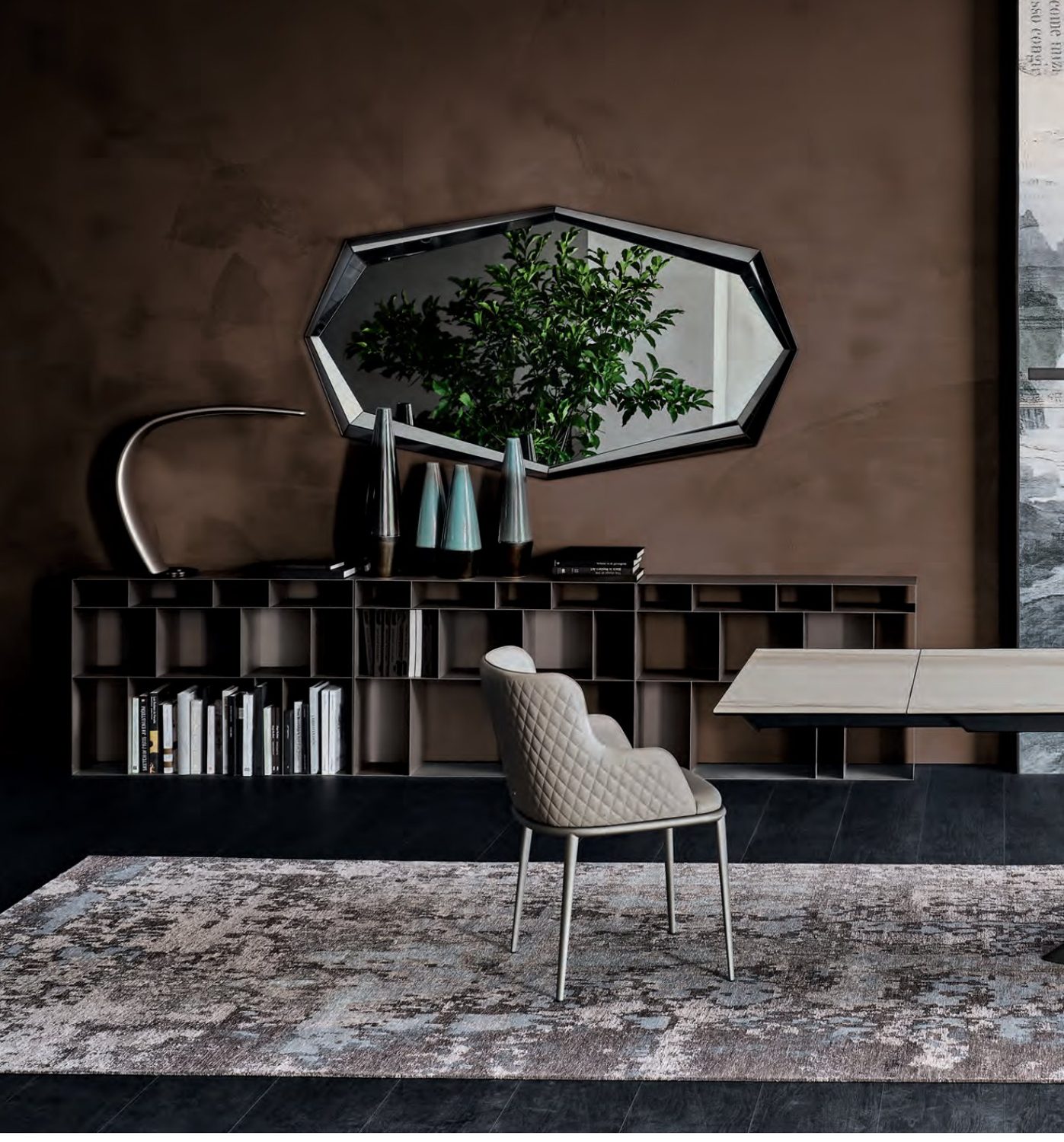
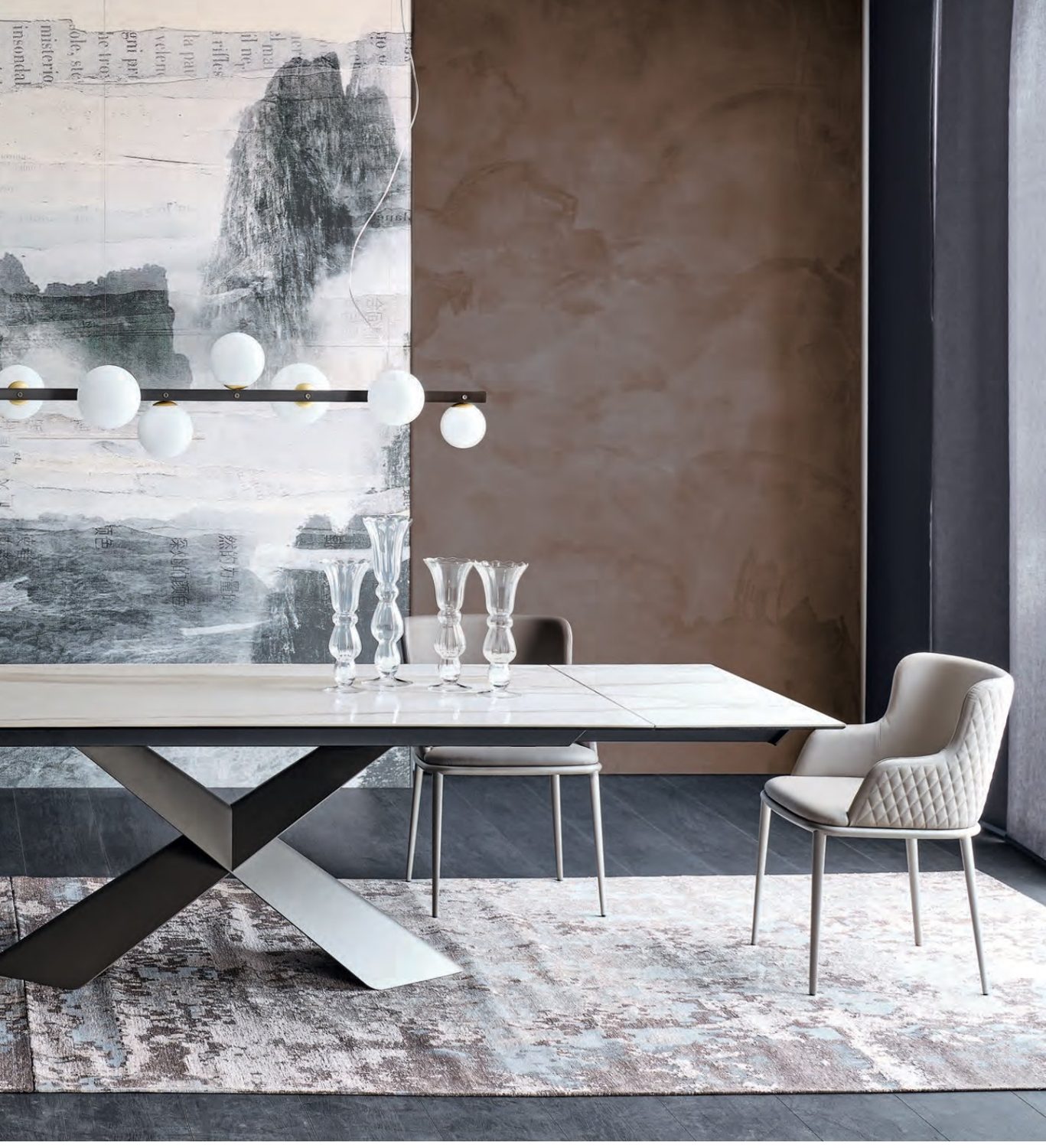
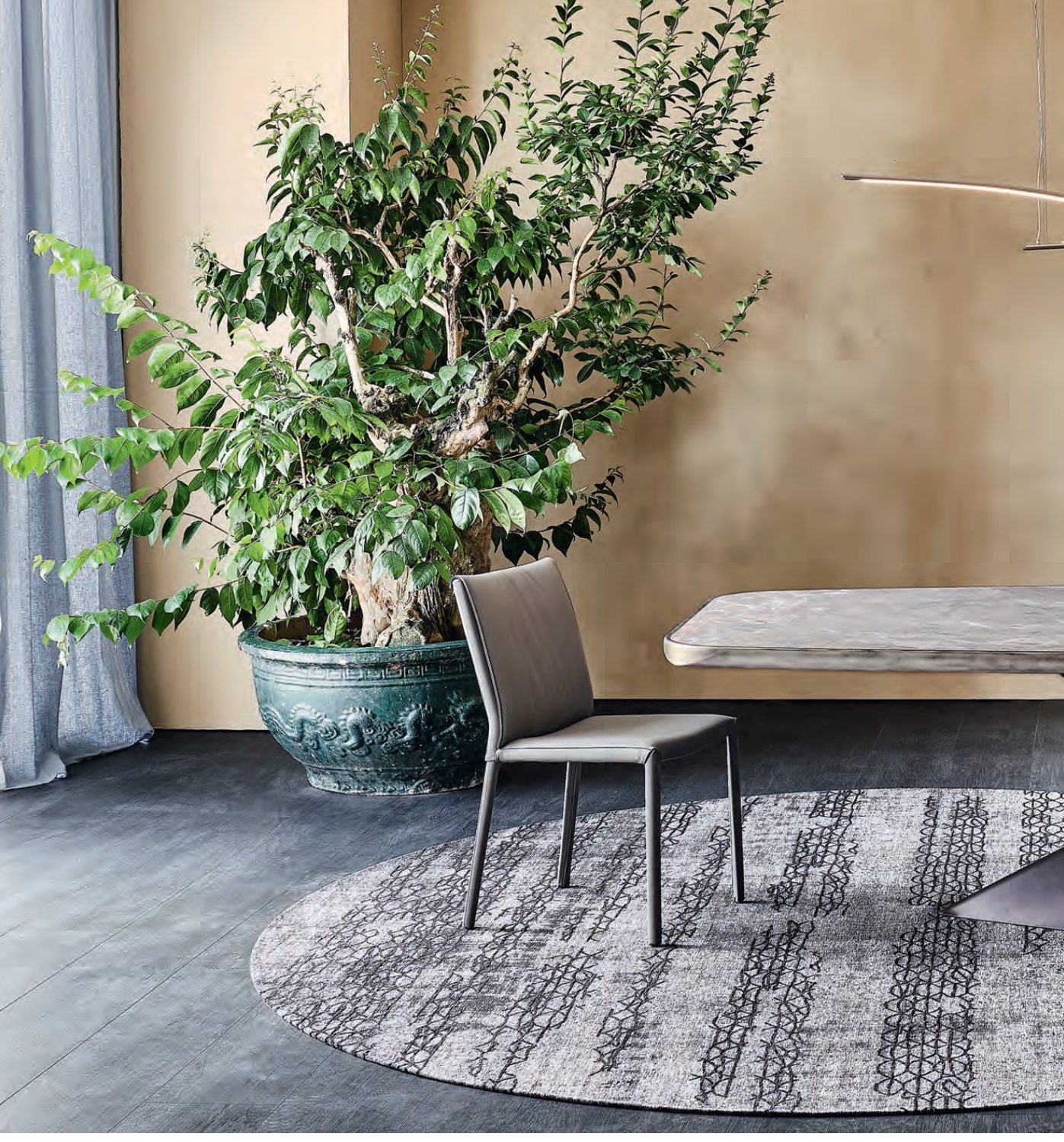
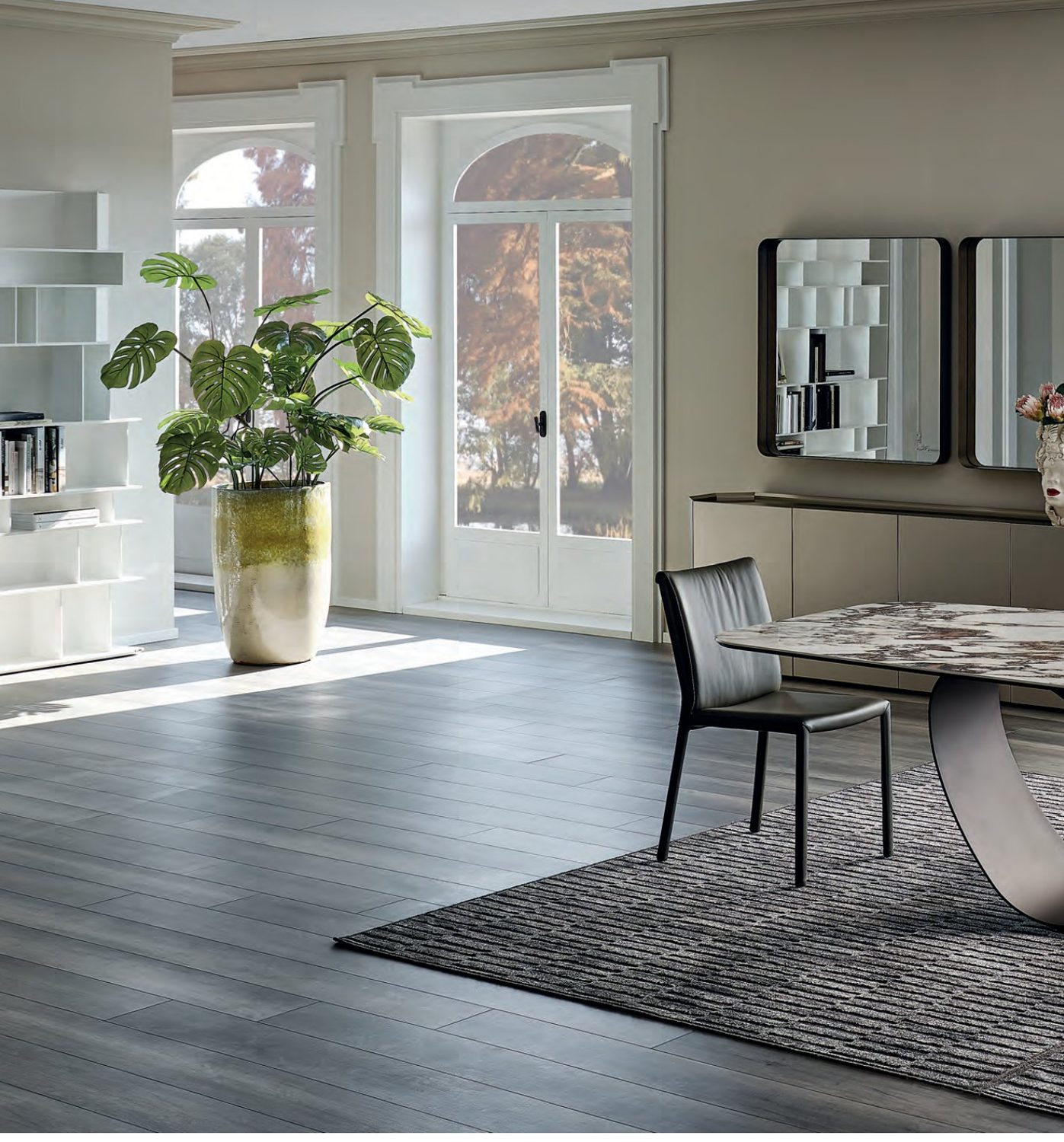
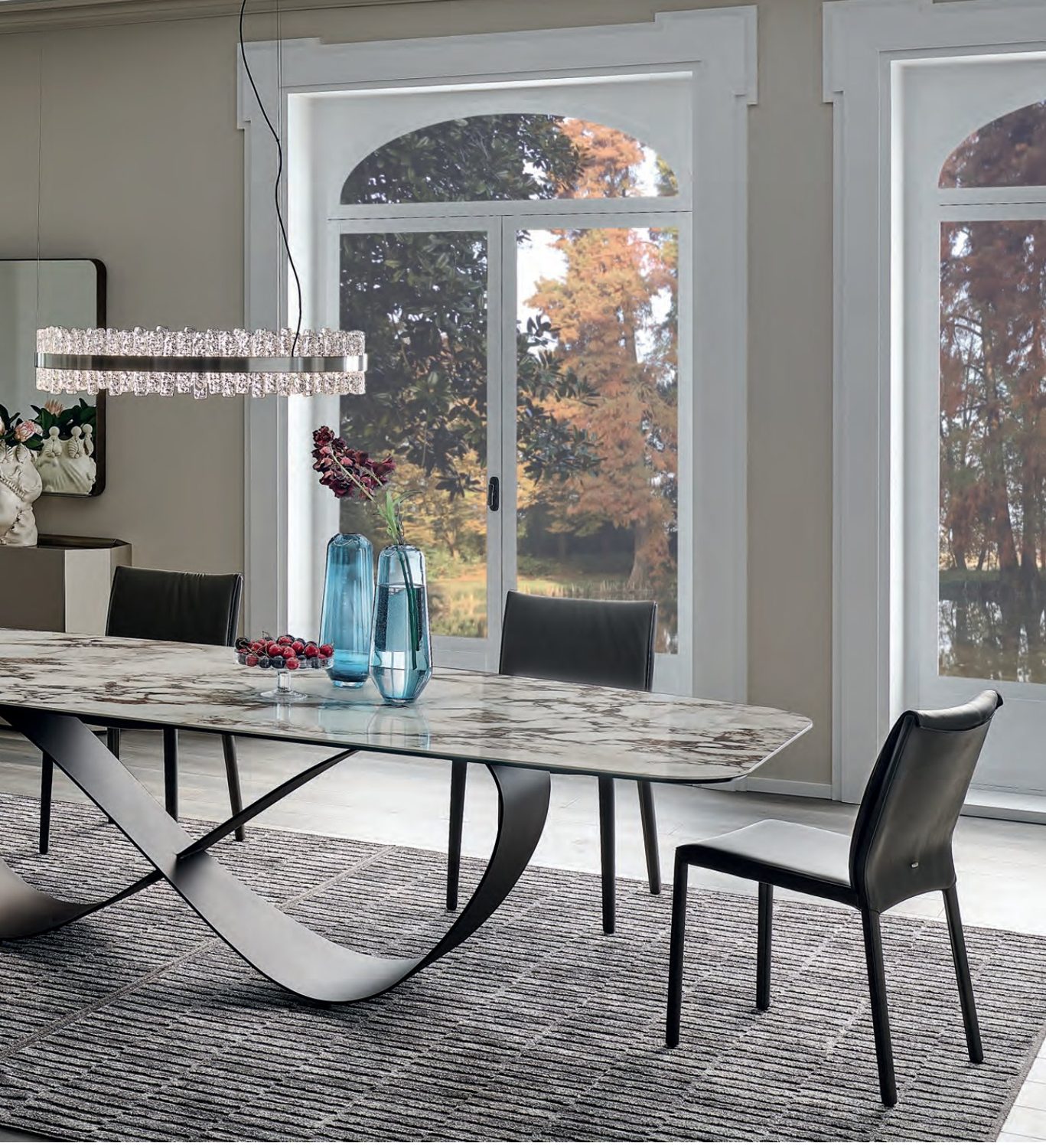
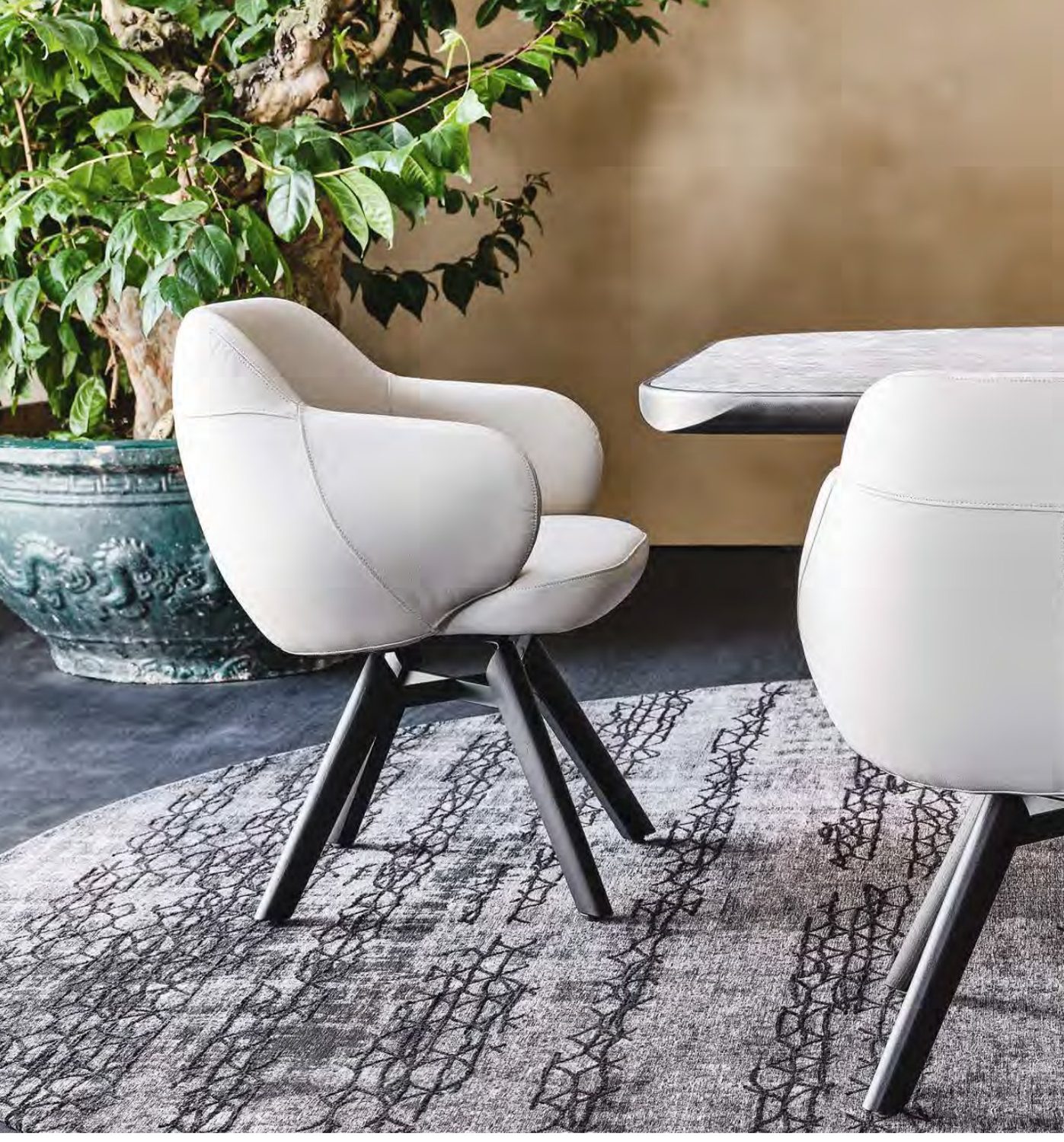
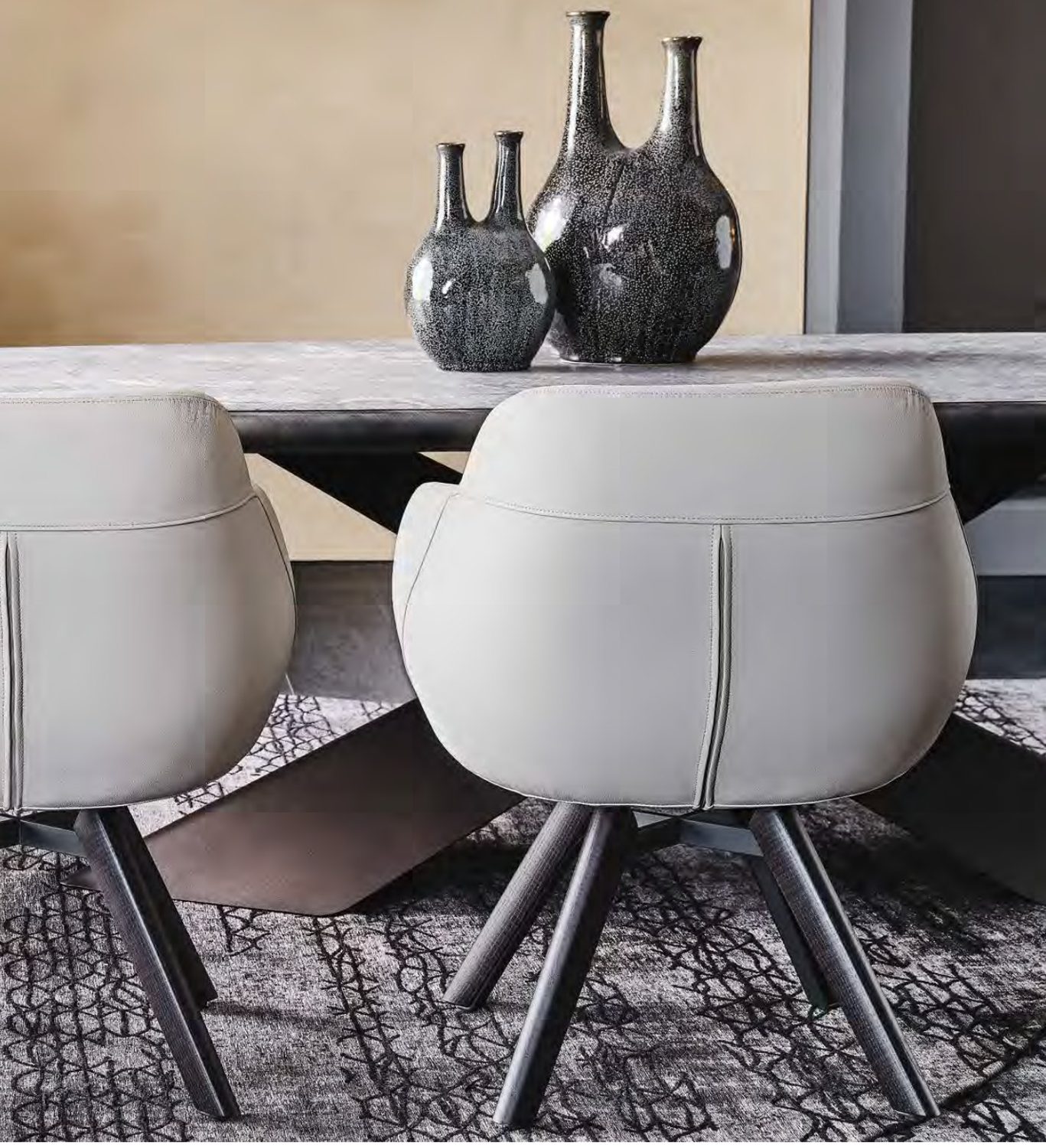
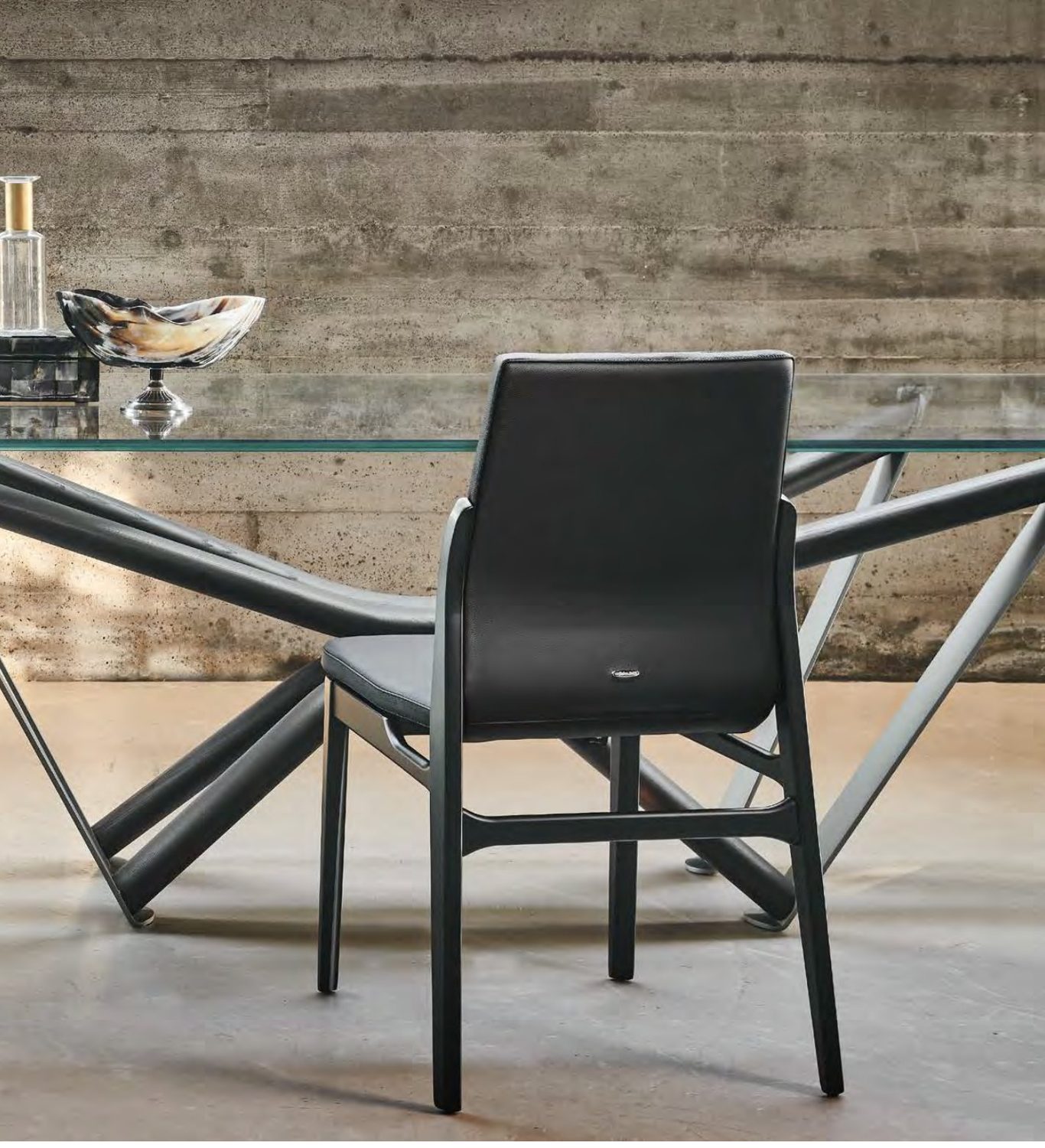
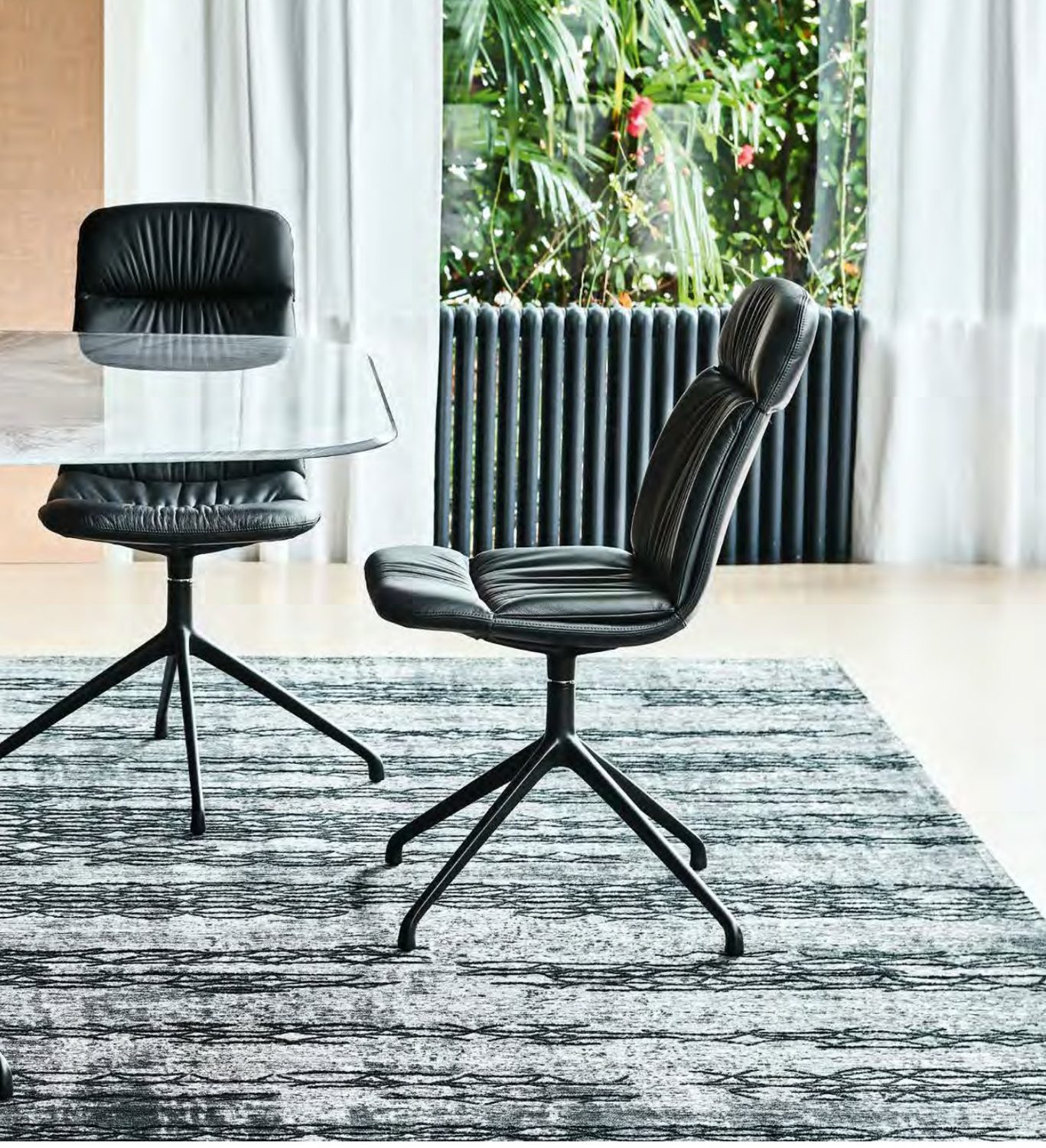
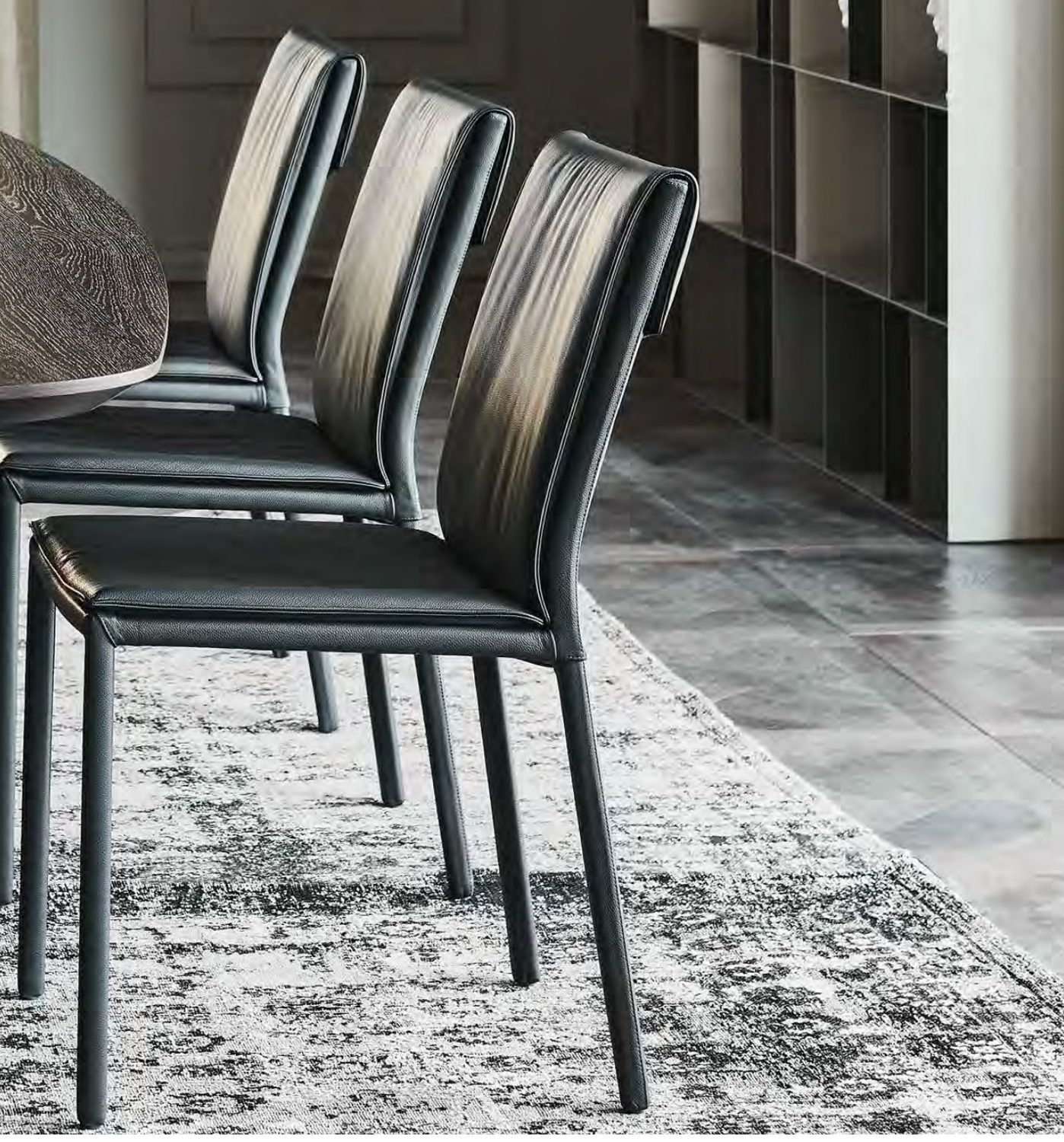
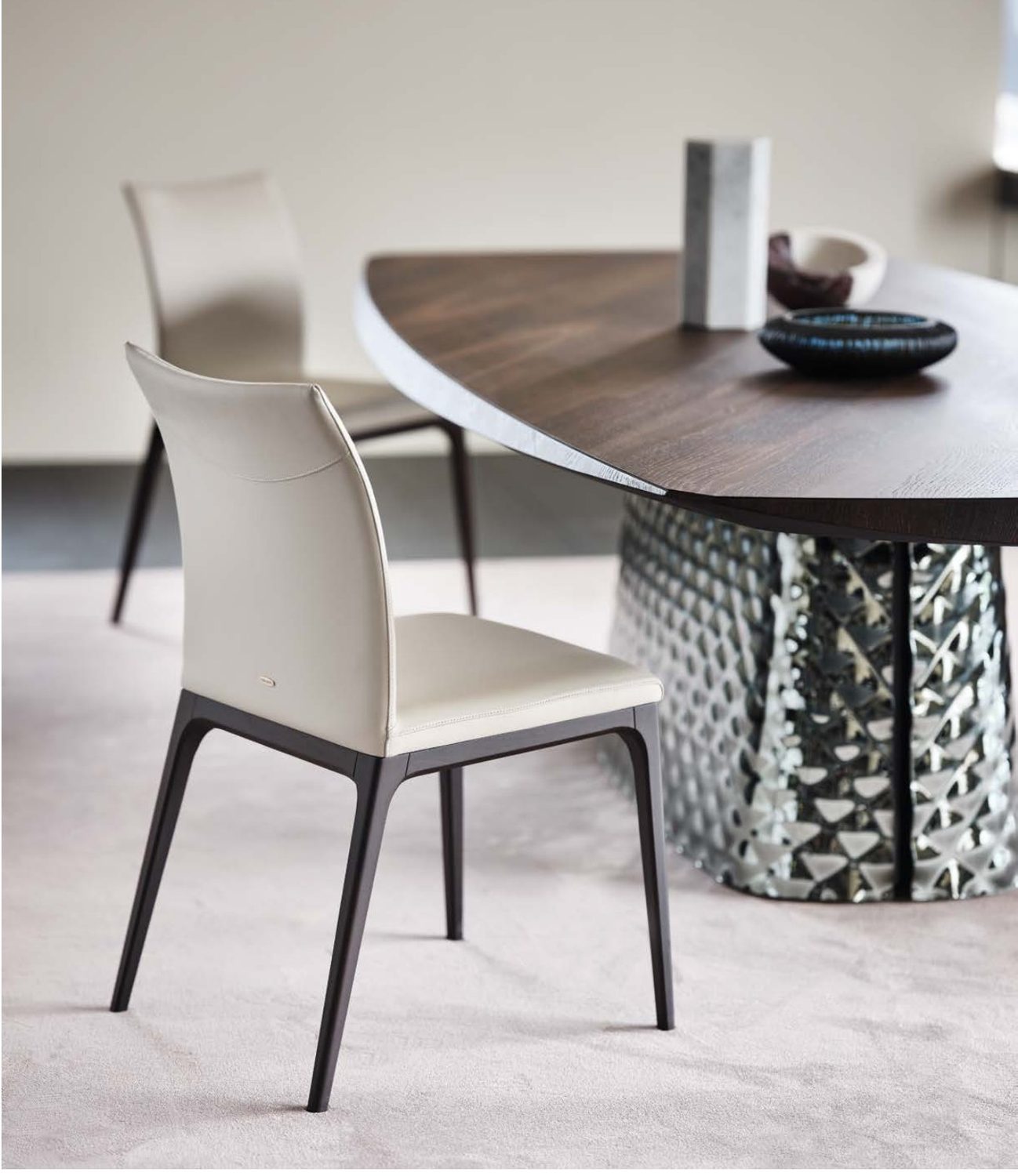
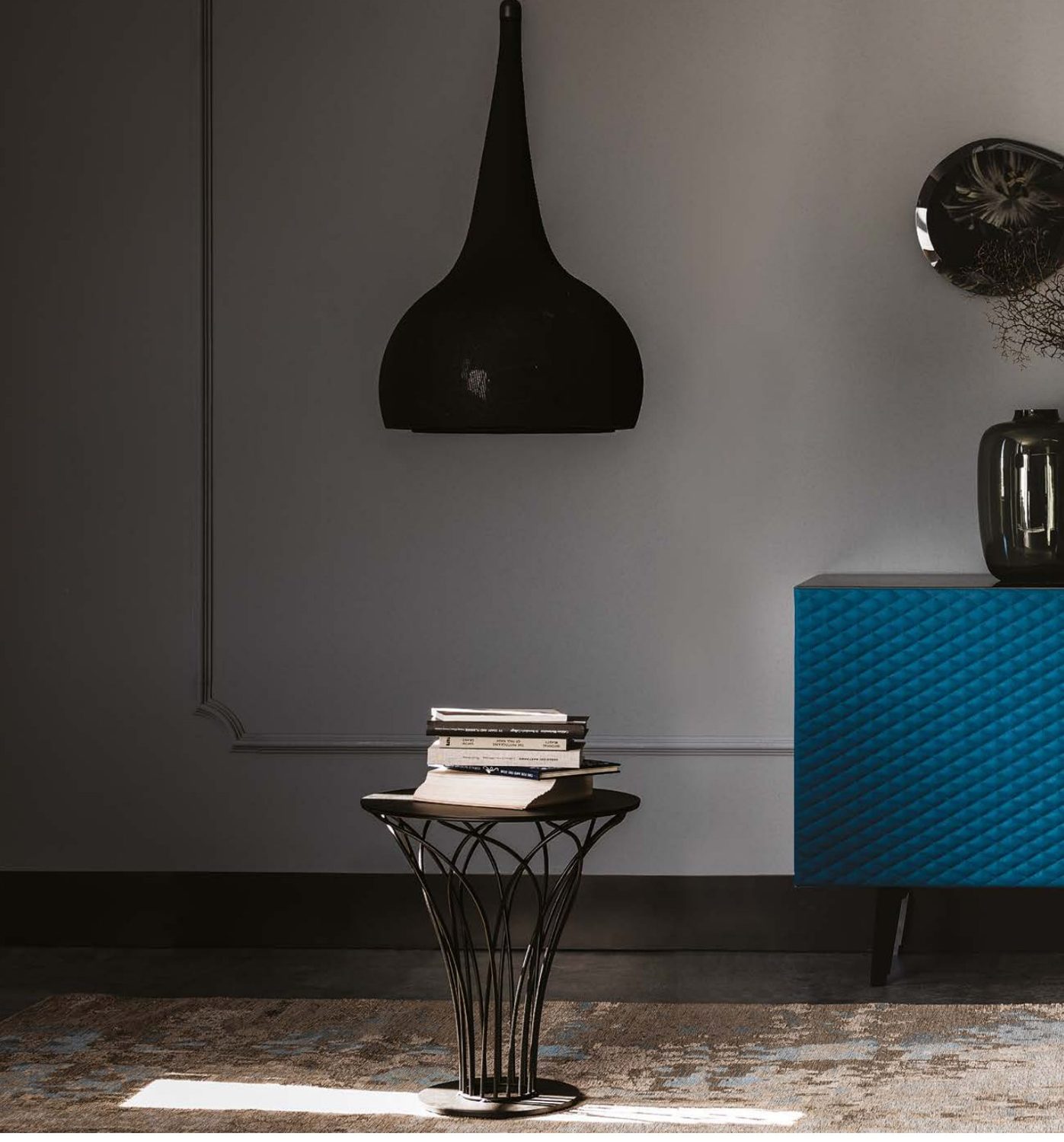
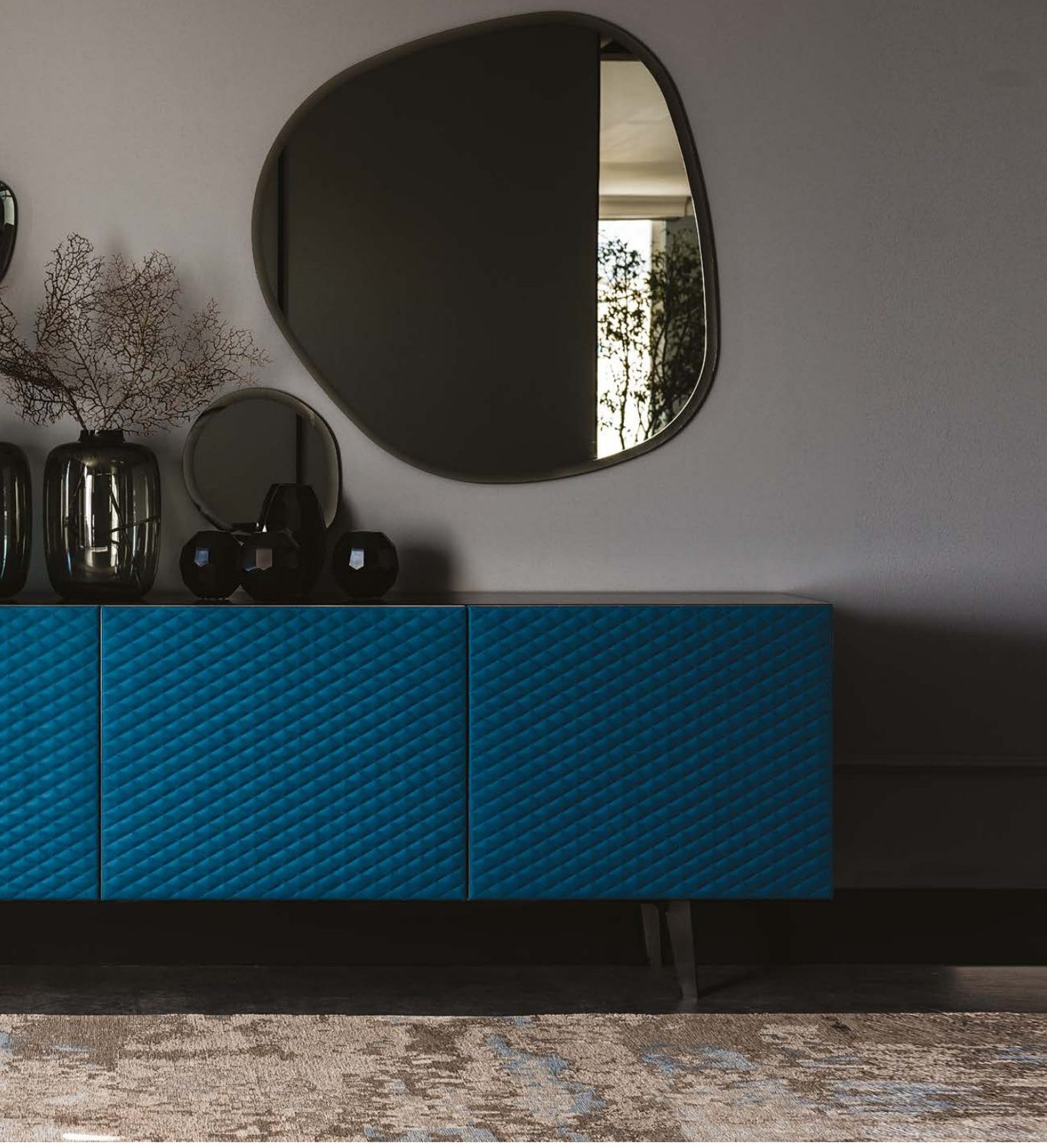
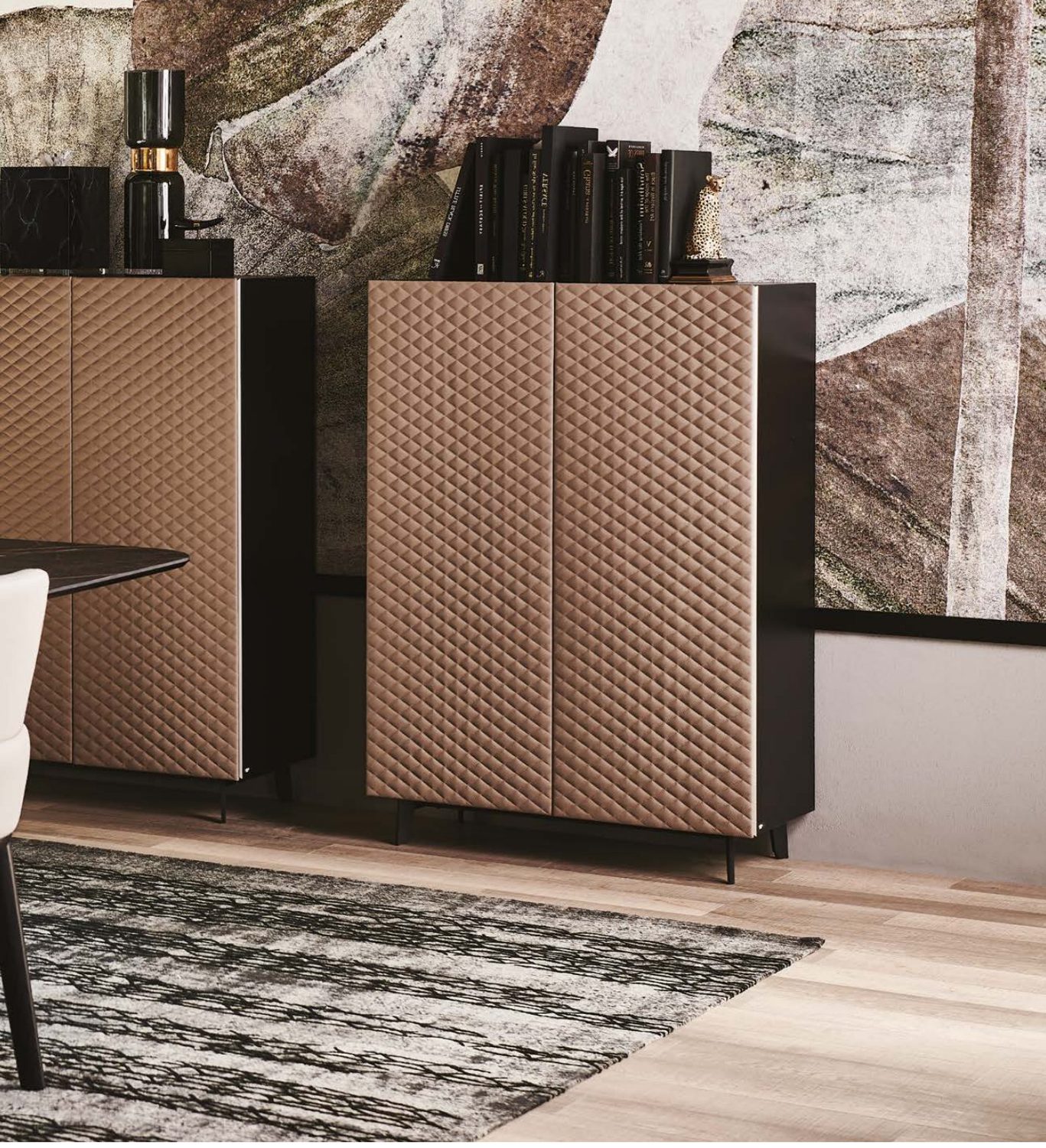
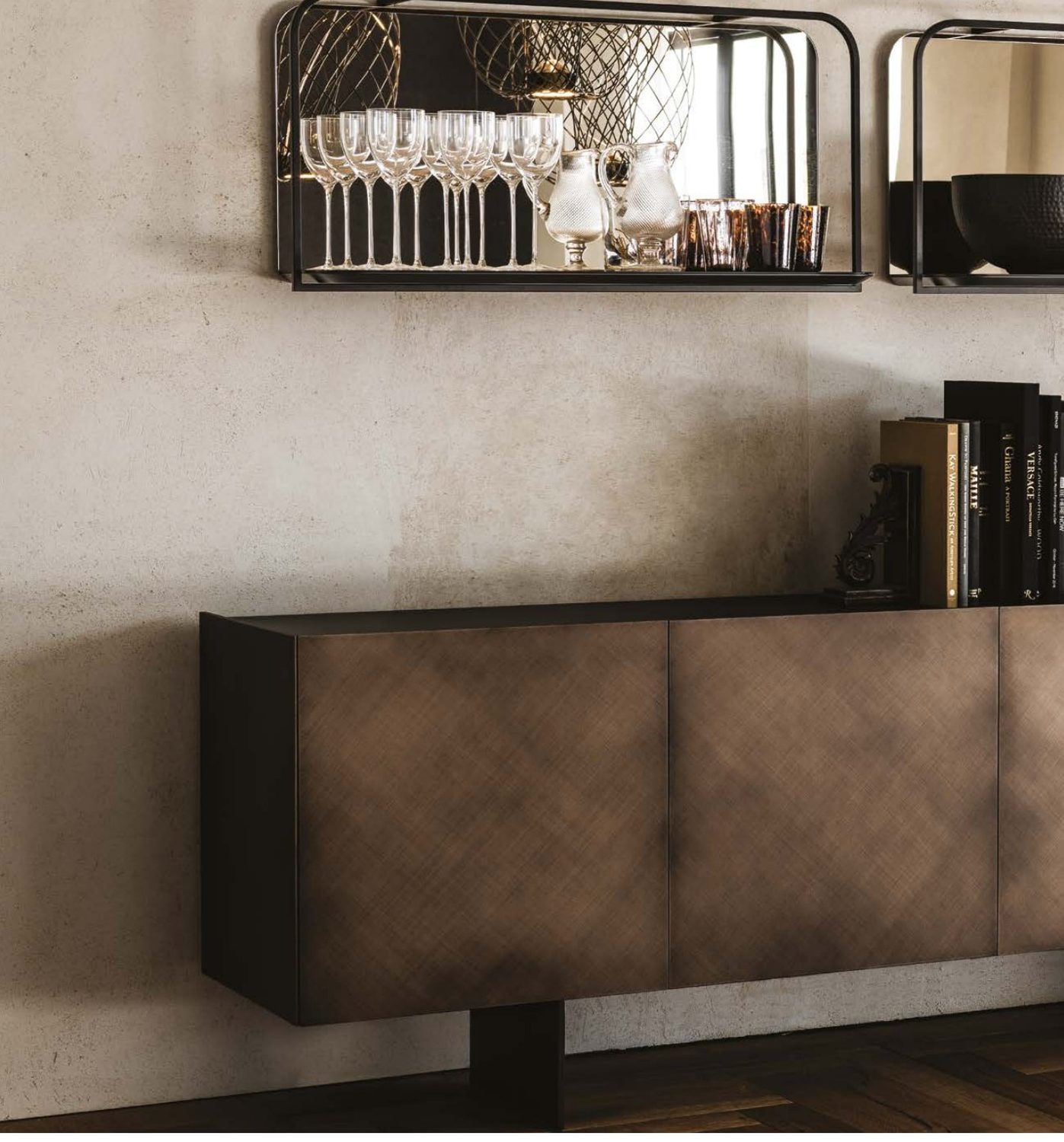
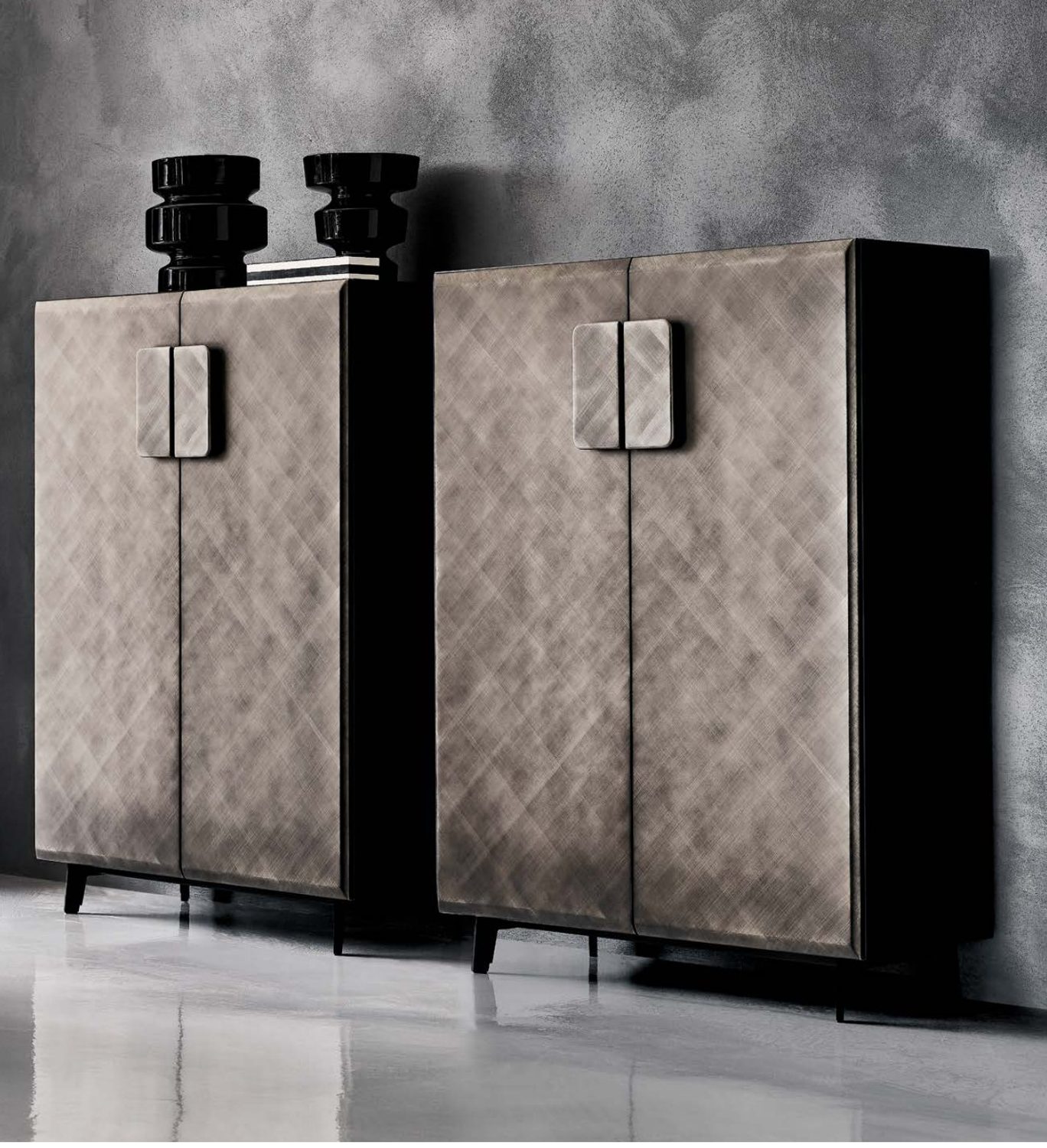
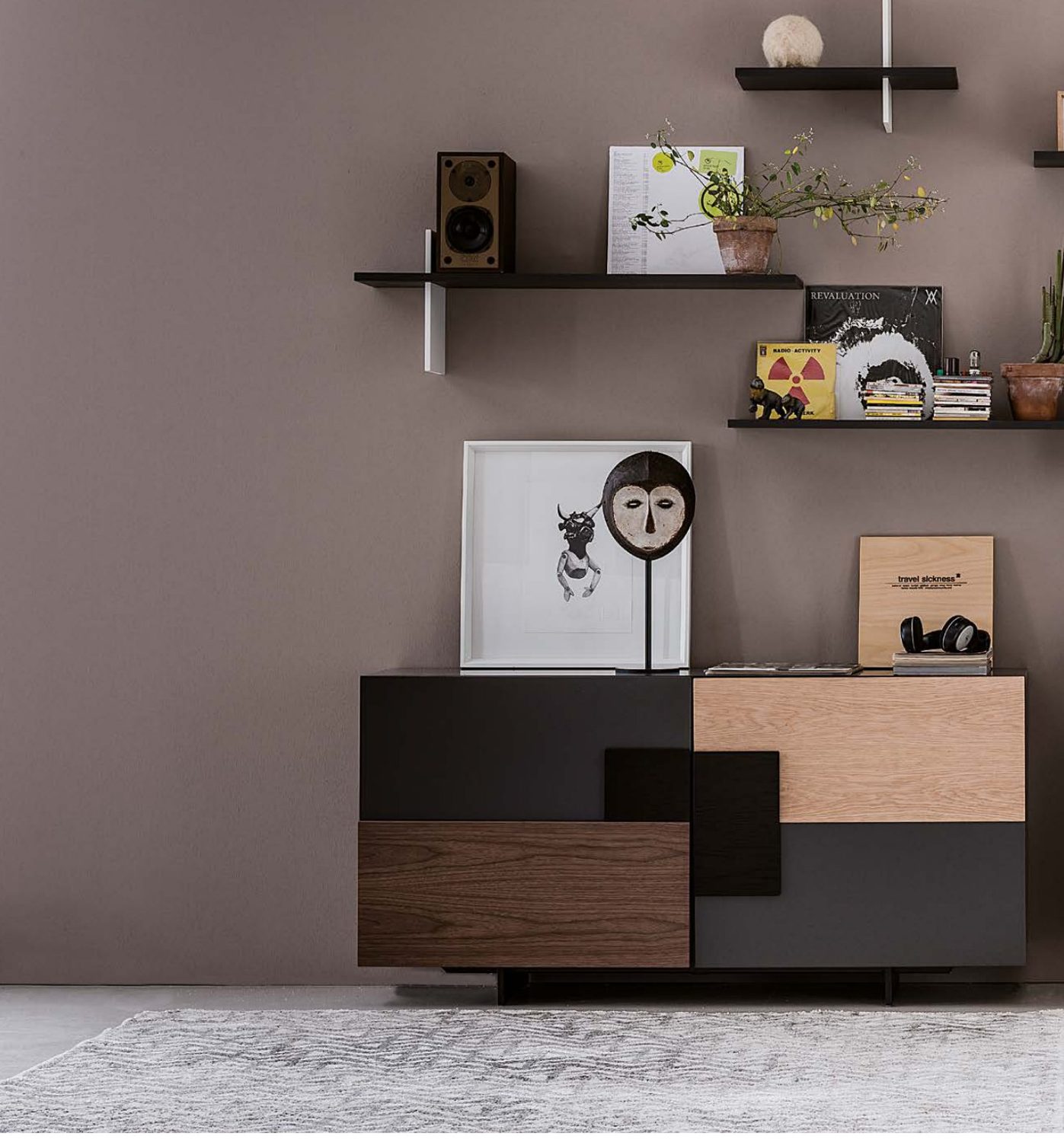
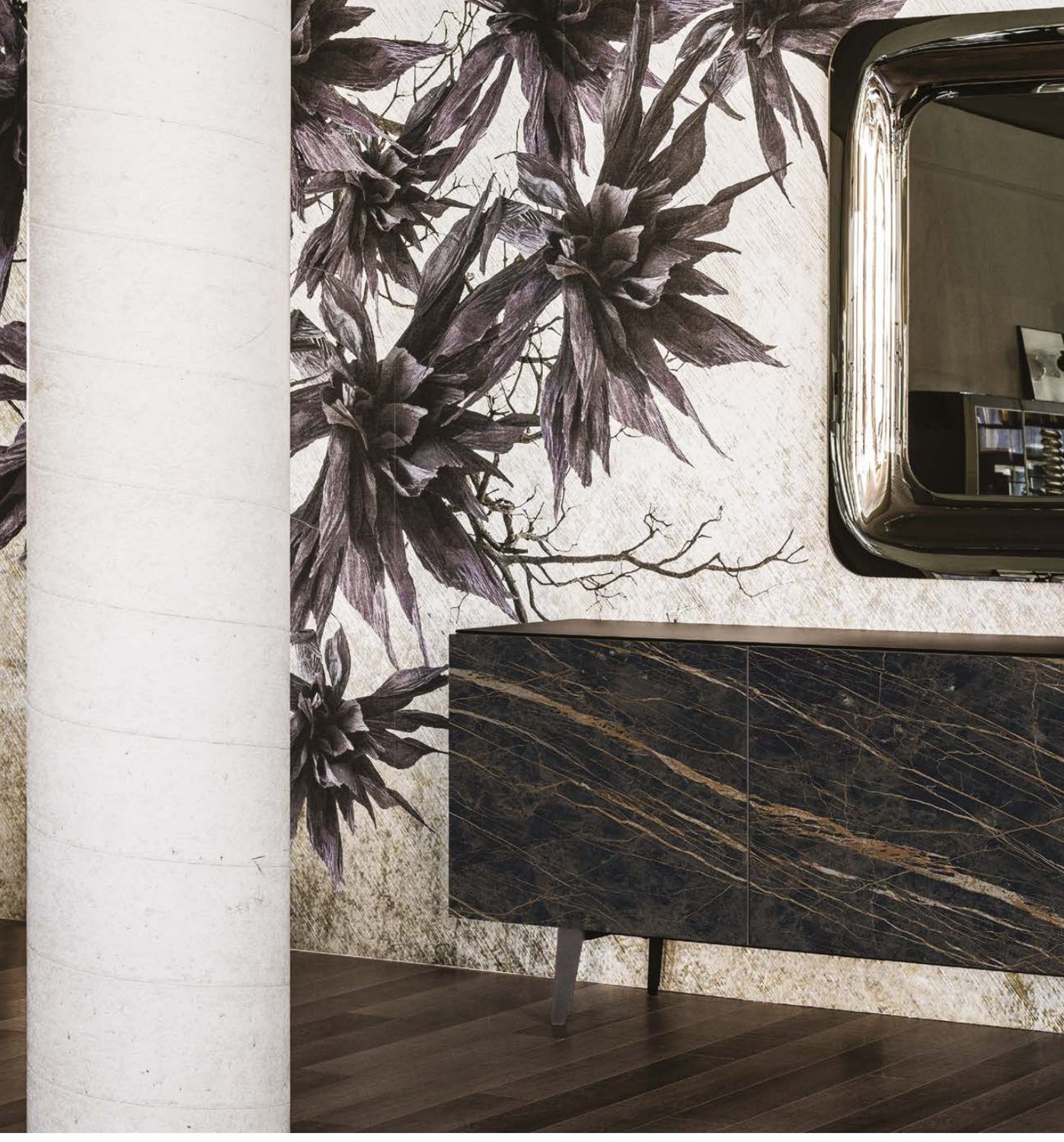
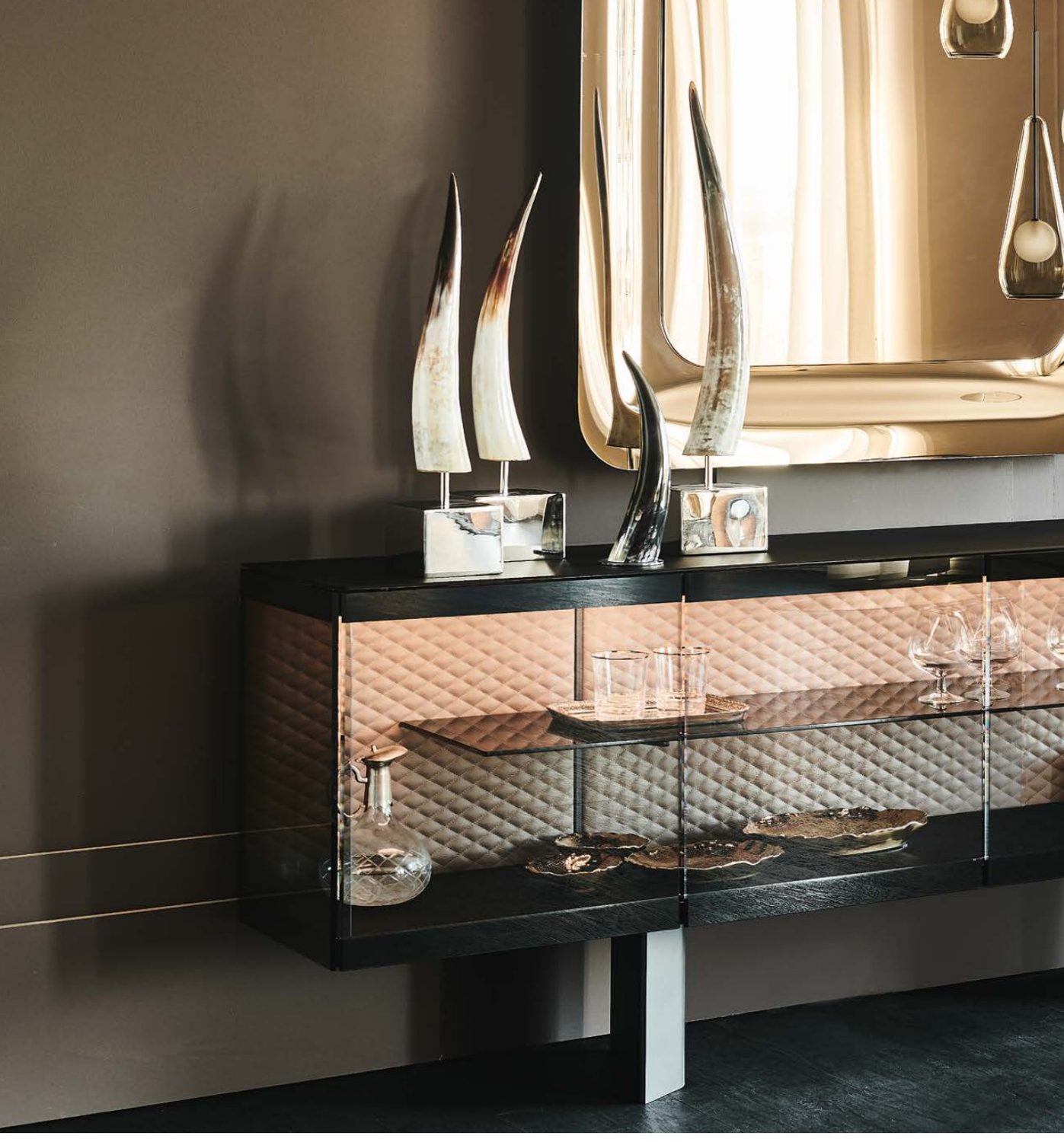
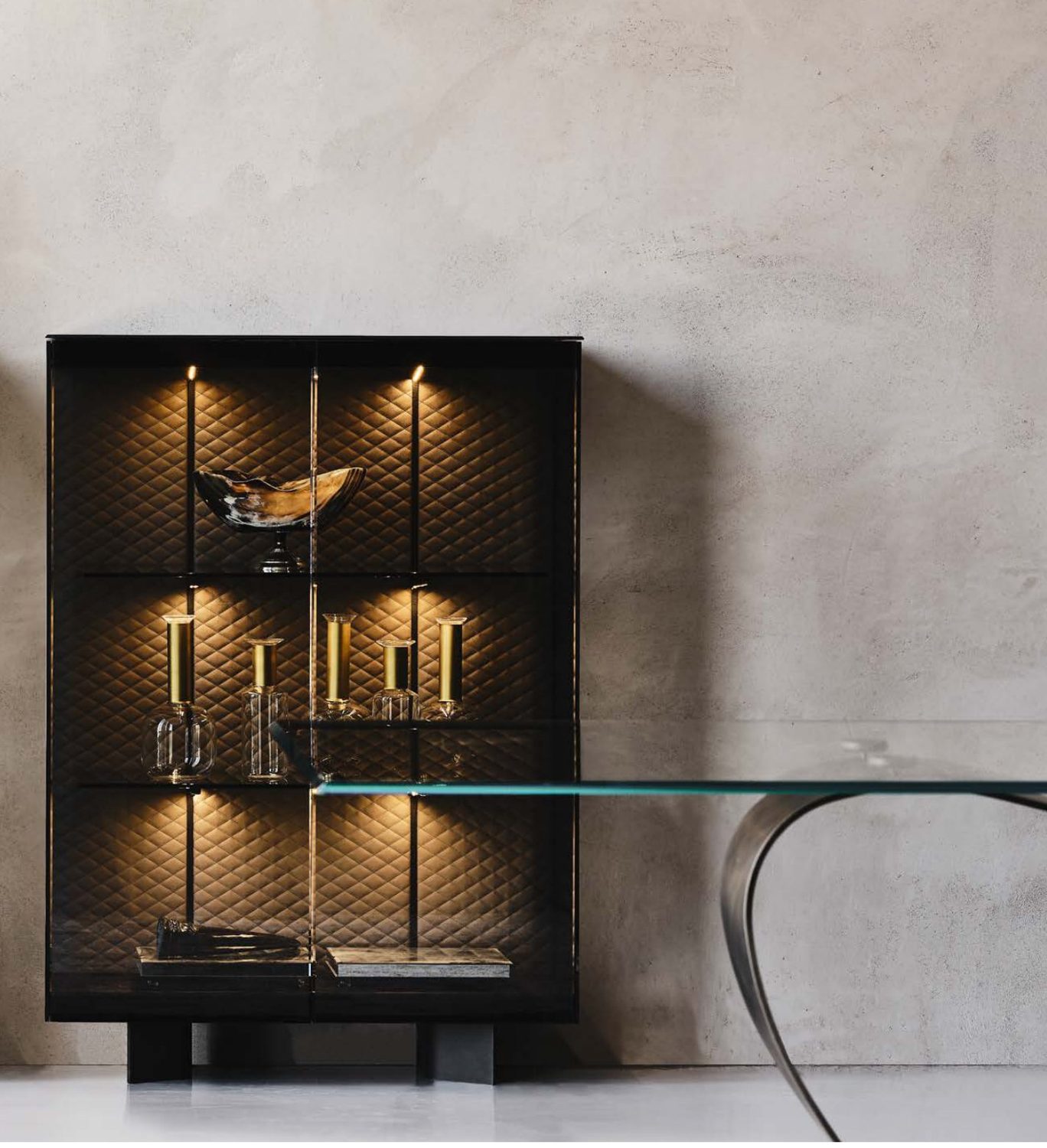
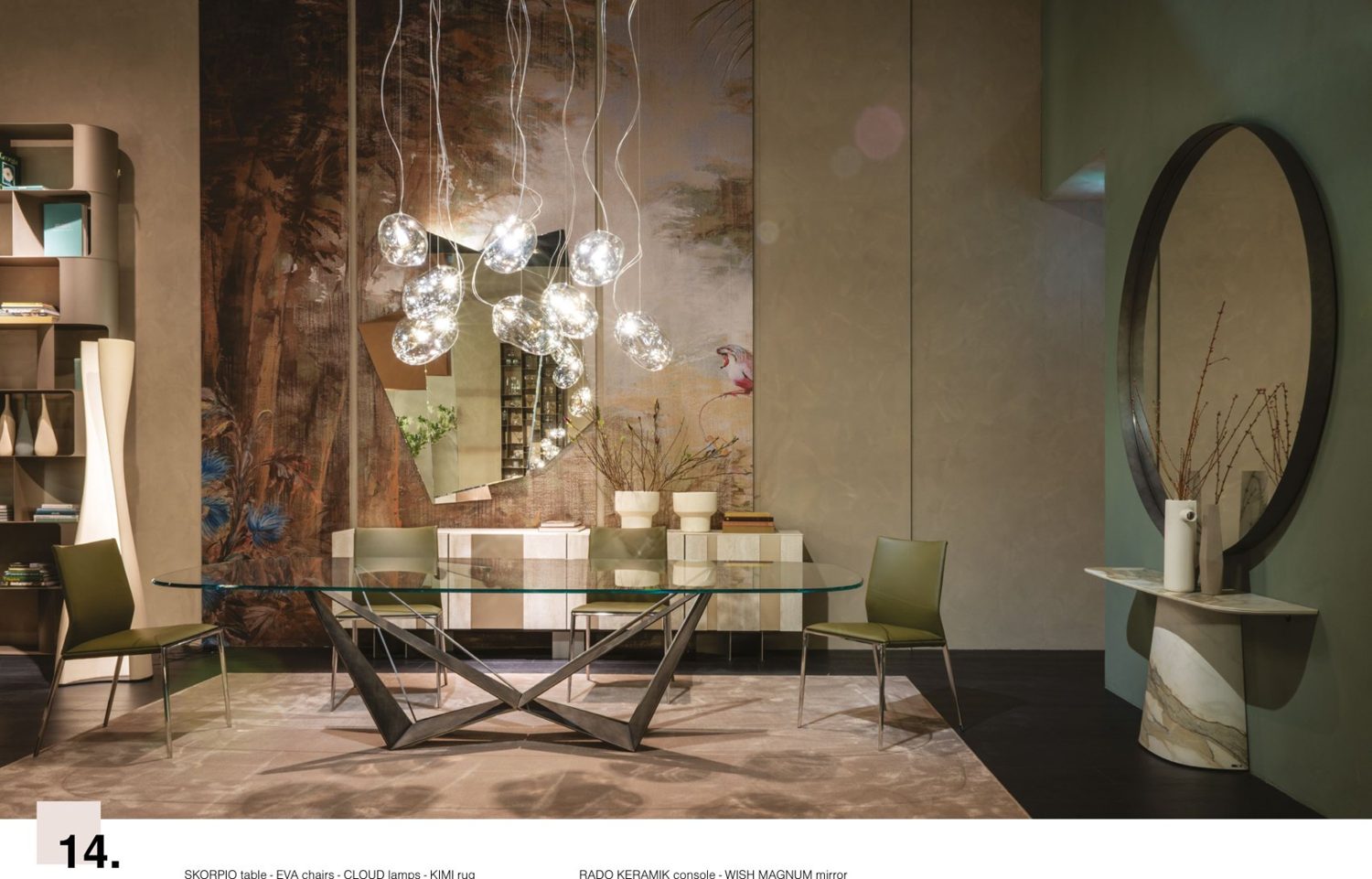
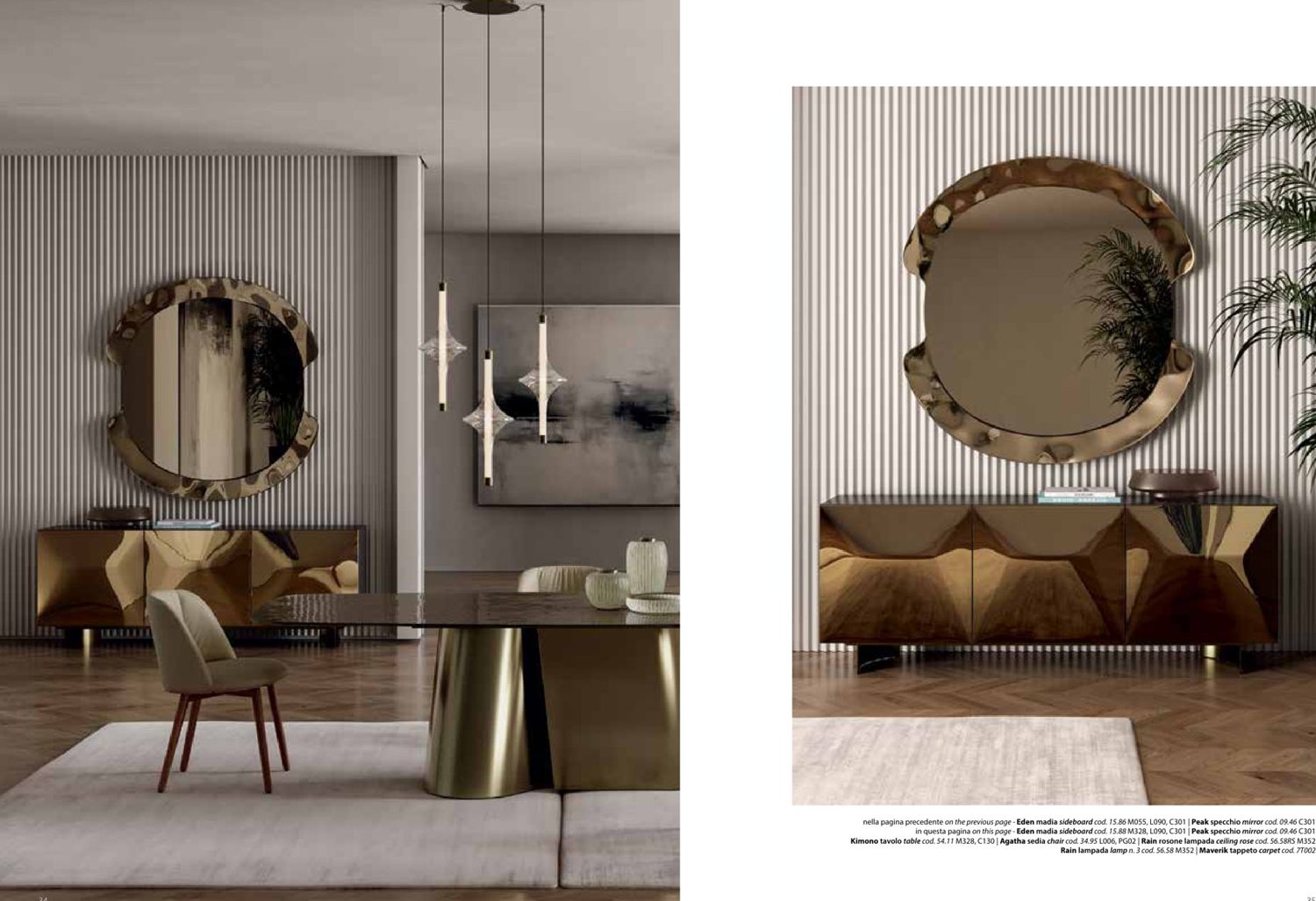
Cattelan Italia — 44 photos

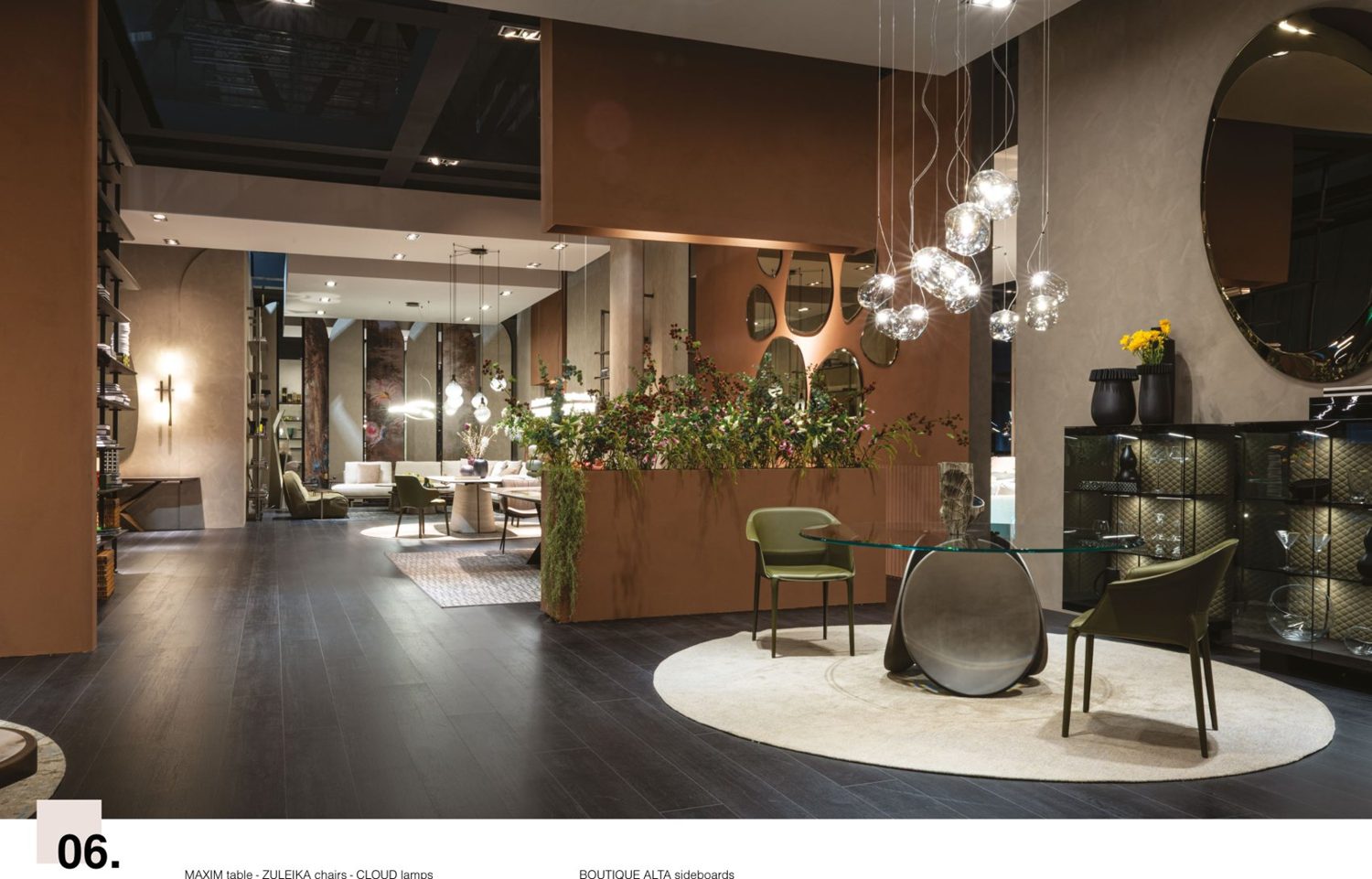
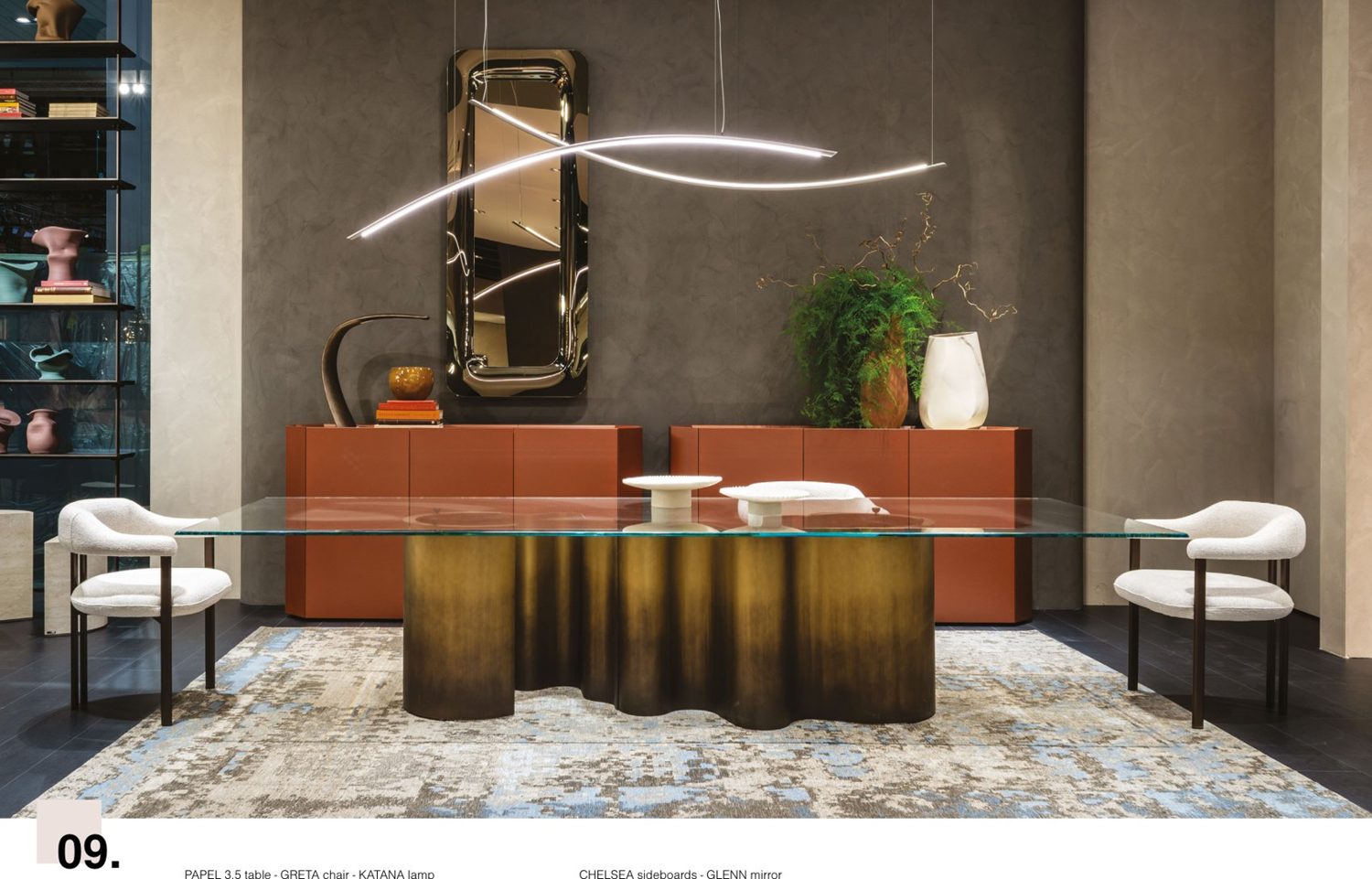
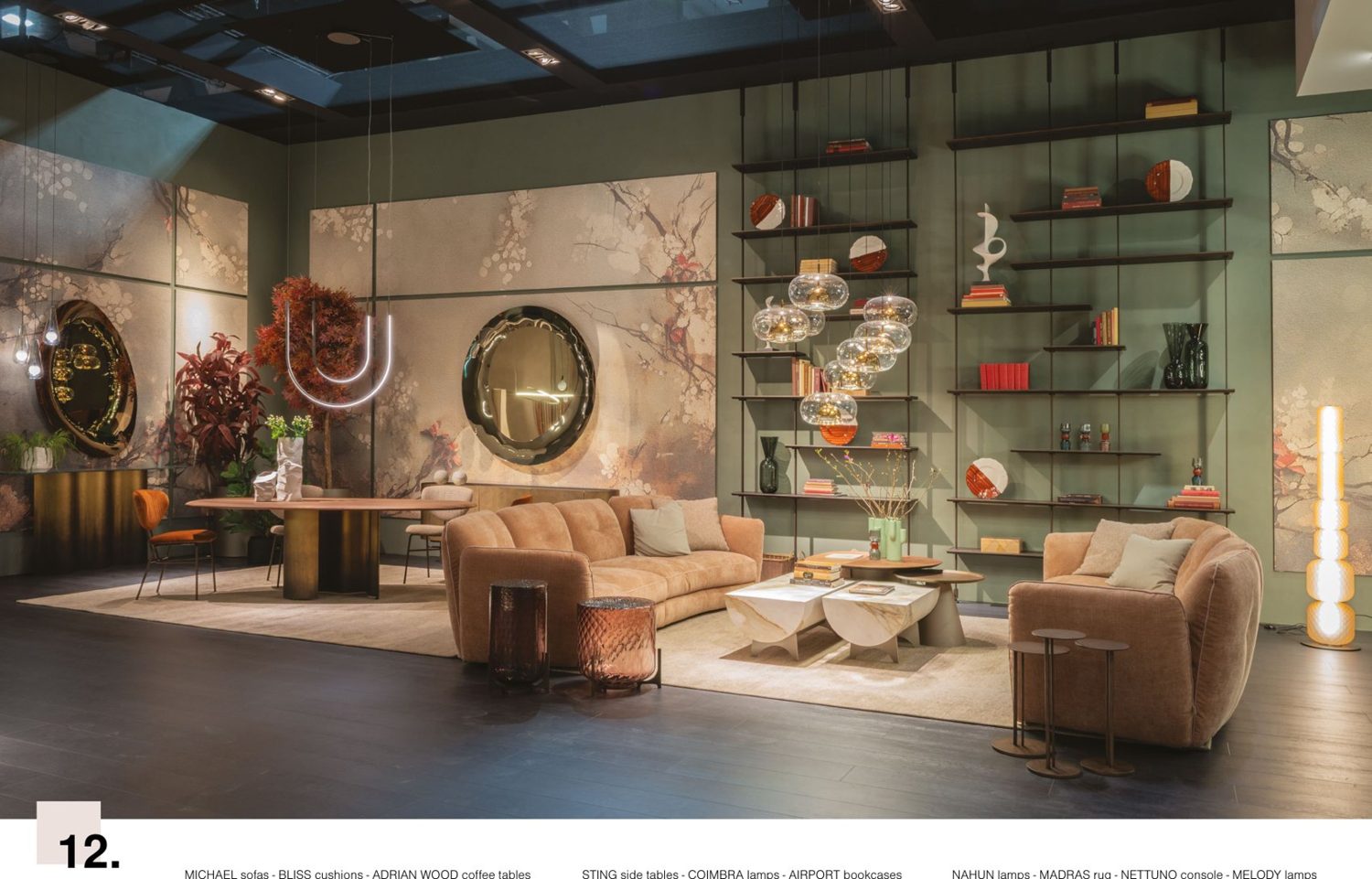
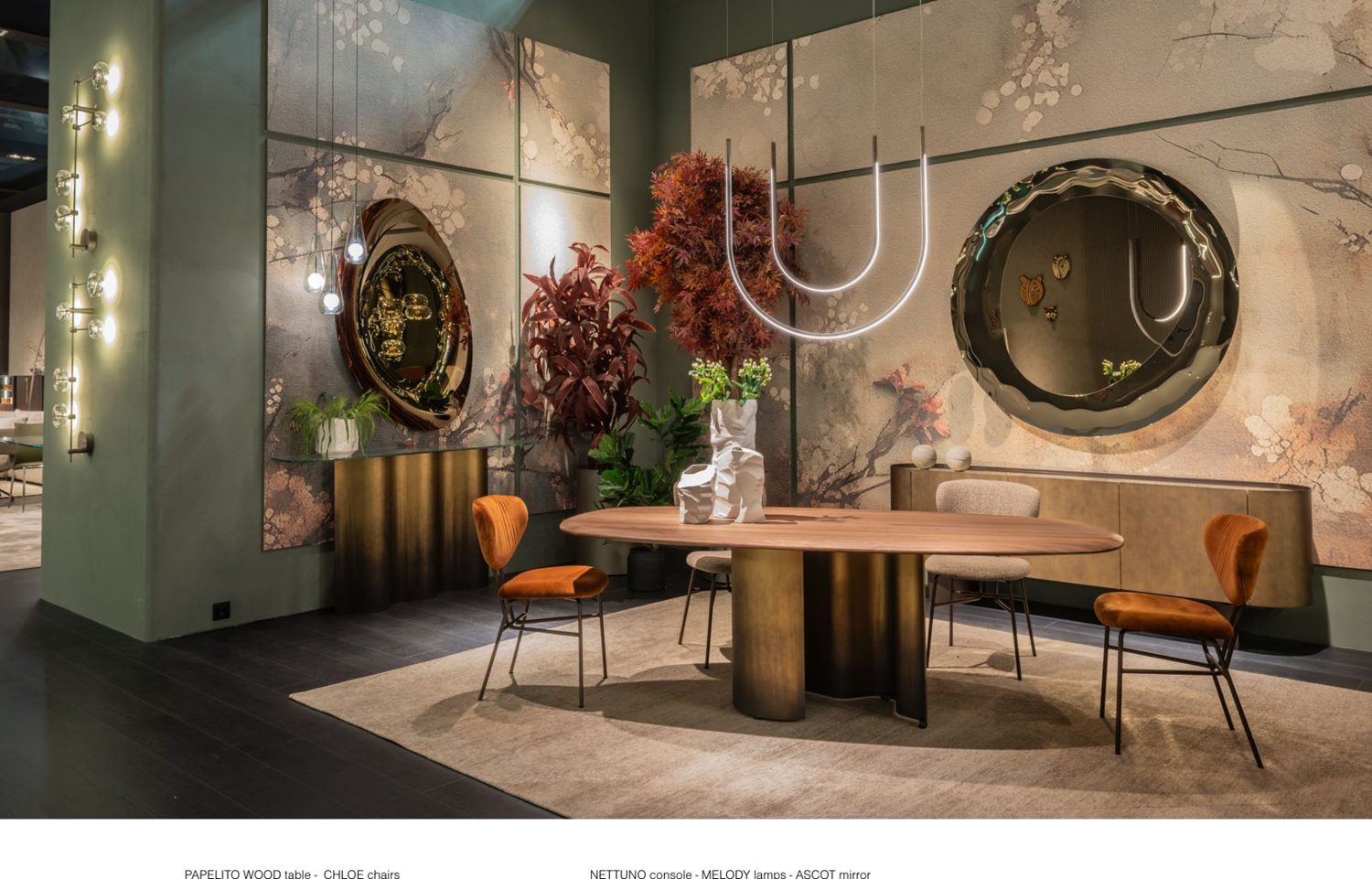
How to read the prices in this article
All prices are in euros, excluding VAT, and they are Mebeltour prices: the factory’s retail list price without VAT, minus our discount. We take the current price lists of all three factories and compare items with the same purpose. For dining tables we use a typical size of about 240×120 cm (Tonin Casa’s nearest size is 250×120 cm); for other categories we use a reference item for the category. This is not the price of one catalogue model. It tells you which price zone each factory sits in.
Why not simply “model X costs this”? Because on all three price lists the final number depends on the top material, the finish, the fabric or leather, and the size. Comparing by category and material shows where a factory is strong and where it is merely expensive. A specific model in a specific finish we price separately for your project and confirm with a factory document.
One figure we deliberately avoid is “retail price”. Dealer prices differ by tens of percent from country to country, so they are useless for comparing factories. The only fair basis is the factory list before any dealer mark-up.
Cattelan Italia: who they are and what they make
Cattelan Italia was founded in 1979 by Giorgio and Silvia Cattelan and is based in Carrè, in the province of Vicenza (Veneto). The first company-owned plant in Carrè was built in 1982. In 2011 the factory acquired the Florentine upholstery brand Arketipo, which is why the range now includes sofas and armchairs. Paolo Cattelan has run the company since 2014. The factory reports a 3,000 m² showroom in Carrè, a flagship store in Milan at Via Larga 23, and a presence in more than 140 countries through monobrand stores, corners and agents.
For a buyer the key point is the material range, the widest of the three. According to the factory, it works with ceramic, wood, glass, marble, metal, crystal, leather and lacquer. In our sample that shows on the tables: glass, printed glass, ceramic and wood tops.
Beyond tables and chairs the factory sells desks, sideboards, beds, outdoor furniture, lighting and accessories, so one apartment or villa can be furnished from one source. That is the practical appeal: table, chairs and credenza match in colour and texture without compromises between different makers.
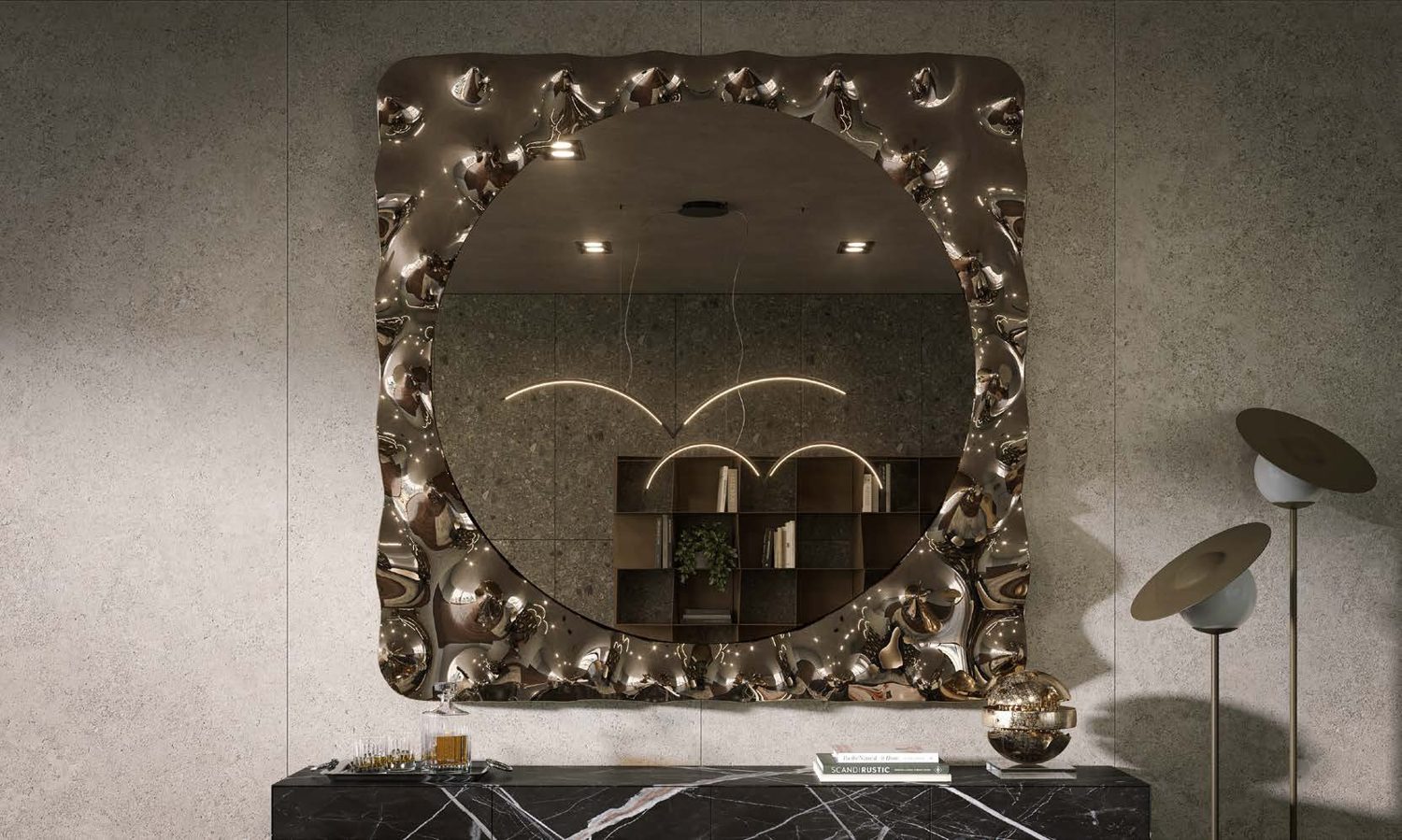
In character, Cattelan is the factory with the strongest design statement: heavy metal bases, glass and ceramic tops, colour in fabrics and leather, expressive mirrors and credenzas with complex finishes. It is furniture that becomes the centre of the room, and for a calm minimalist interior it can sometimes be too loud. Worth knowing before you order.
Oleg’s opinion. Cattelan is the strongest of the three. That is my opinion, not a laboratory result: I compare by what I see on real projects. Cattelan has the most coherent collection, the best presentation and the widest choice of table materials. You pay for it: in four of the five categories Cattelan is the most expensive of the three. Whether the difference pays off depends on the project, and below I show where it is noticeable and where it is not.
Dining tables: where the three factories differ most
The dining table is the only category where prices do not line up in a simple “expensive, middle, cheap” order. Each factory has a material on which it wins or loses, so we compare by tabletop material rather than by brand.
Glass tables
Glass shows the widest spread. A Tonin Casa glass table costs about €2,090 at Mebeltour prices. The comparable Cattelan table is about €2,688 and the Bontempi one about €2,986. It is the only row where Bontempi costs more than Cattelan: the factory that is cheaper almost everywhere else asks more for glass. Cattelan also offers printed glass at about €2,748, almost the same as plain glass, with a visible decorative effect.
Practical conclusion: for a light table without a big premium, Tonin Casa glass is the most economical option in our sample. If the base and overall design matter, Cattelan’s glass models give the best balance of price and presence.
Ceramic tables
Ceramic is the most requested top today: stain-resistant, unafraid of hot dishes, and able to look like marble or stone. Here the three prices are closest: Cattelan about €3,308, Bontempi about €3,004, Tonin Casa about €2,928. Between the dearest and the cheapest factory the gap is about €380, roughly 11% of the Cattelan price. On a €3,000 table that is a matter of design preference more than budget.
We would choose by base and by the ceramic pattern. Judging by the catalogue photos, Cattelan has more expressive bases and unusual top shapes, Bontempi has calm models in beige and brown, and Tonin Casa has classic shapes with soft lines. Ceramic thickness, load limits and care we check in the documents for the exact model.
Wooden tables
Wood is the one material where Bontempi is clearly cheaper than the other two: about €2,470, against about €2,894 at Tonin Casa and about €3,390 at Cattelan. The gap between Bontempi and Cattelan is roughly €920, or 27%. For a family choosing a large table for 8–10 people who does not want to overpay for a brand, this is the most interesting row in the whole article.
Tonin Casa positions itself on solid wood and “100% Made in Italy”, and its wooden tables sit in the middle of the price scale. At Cattelan wood is part of a designer image together with metal and unusual bases, and that explains the difference.
Marble and stone
Marble tables are offered by Bontempi (about €3,029) and Tonin Casa (about €2,751); Tonin also has travertine at about €2,494, the cheapest natural stone in the comparison. For Cattelan our sample has no comparable marble table price, so the table shows a dash and we do not invent a number.
Natural marble and travertine need care: sealing, caution with acids and dyes. If you want the look of stone without the maintenance, printed ceramic is usually more practical, and at the three factories it costs about €2,900–3,300.
| Top material | Cattelan Italia | Bontempi | Tonin Casa |
|---|---|---|---|
| Glass | 2,688 | 2,986 | 2,090 |
| Printed glass | 2,748 | — | — |
| Ceramic | 3,308 | 3,004 | 2,928 |
| Wood | 3,390 | 2,470 | 2,894 |
| Marble | — | 3,029 | 2,751 |
| Travertine | — | — | 2,494 |
What this means when choosing a table
In one sentence: buy glass from Tonin Casa, wood from Bontempi, and choose ceramic by design because the three prices are close. Cattelan is for the case when the table is the main object in the room and you want exactly that presence.
A word on weight. Glass and ceramic are heavy, more than people expect. A 240×120 cm top needs proper packing and a plan for the staircase or a lift. We check this in advance and plan delivery separately, because floors and lifts cause surprises far more often than the choice of model does.
Table size and number of chairs: count before choosing a factory
The prices above refer to a table of about 240×120 cm, but you should choose a table from the room and from the number of people who normally sit at it, not from a price list. A common rule is 60–70 cm of edge per person; a 240×120 cm table seats about six to eight. Ten people need 280–300 cm, and the price of such a table rises faster than its length, because a glass or ceramic top of that size is made in several parts or needs a stronger base.
Leave at least 90–100 cm between the table edge and the wall or other furniture so that chairs can be pulled out and people can pass. We check this on a plan before ordering. We draw projects in 3CAD, and the drawing immediately shows how many chairs fit and where a credenza blocks the walkway.
About chairs: a chair behaves differently with a person in it. Upholstery settles, legs slide, the back flexes. If you are buying chairs unseen, we always advise ordering one sample or trying one in the factory showroom. The €174 difference between Bontempi and Cattelan pays for any extra check.
Tabletop shape: rectangle, oval, round
The photos show that the rectangle is not the only option. Bontempi and Tonin Casa have many oval tables and tables with rounded corners; Cattelan also has elliptical tops, round models and sculptural bases. Shape affects both price and comfort.
A rectangle is the easiest to place in a narrow room and the easiest to extend. An oval is softer, with no sharp corners and better for conversation, but in a room narrower than 3.5 m it looks larger than a rectangle of the same area. A round table suits a small dining room for four to six and is poor where you need to seat more, because the middle becomes too far away. A round table for eight needs a diameter of about 150–160 cm, half a room.
Extending models help if four people usually sit down and ten gather a few times a year. The mechanism adds cost and needs storage for the leaves, so we recommend it only when it is genuinely needed.
Glass, ceramic, wood, stone: what to know about the top
Price is not the only difference between a glass and a wooden table. Each material has its own care requirements, best learned before the order and not after.
Glass
Glass makes a room feel lighter and works especially well in small spaces. Its drawbacks are well known: fingerprints and dish marks show more than on other materials, and corners can chip if furniture is moved carelessly. Printed glass, as seen at Cattelan, may hide marks better than clear glass at nearly the same price, but check that on a sample.
Ceramic
Ceramic resists heat, scratches and stains, which is why it is the usual choice for a table you really eat at every day. The weak spot is the corners and edges, where an impact can leave a chip that is hard to repair. The pattern imitates marble or stone, and up close it is clearly printed rather than grown in the rock. If natural character matters, look at real marble or travertine.
Wood
A wooden table is warmer to the touch and repairable: scratches can be sanded and refinished, unlike glass or ceramic. But wood reacts to humidity and temperature swings, so do not put it next to a radiator. Finishes differ: oil is renewed every year or two, lacquer needs less regular attention but is harder to restore.
Marble and travertine
Natural stone is beautiful because every top is unique, but it is porous and dislikes acids: lemon juice, wine or vinegar leave matt marks if not wiped at once. The top is sealed and the sealing is renewed periodically. If you are not ready for that routine, choose ceramic or glass.
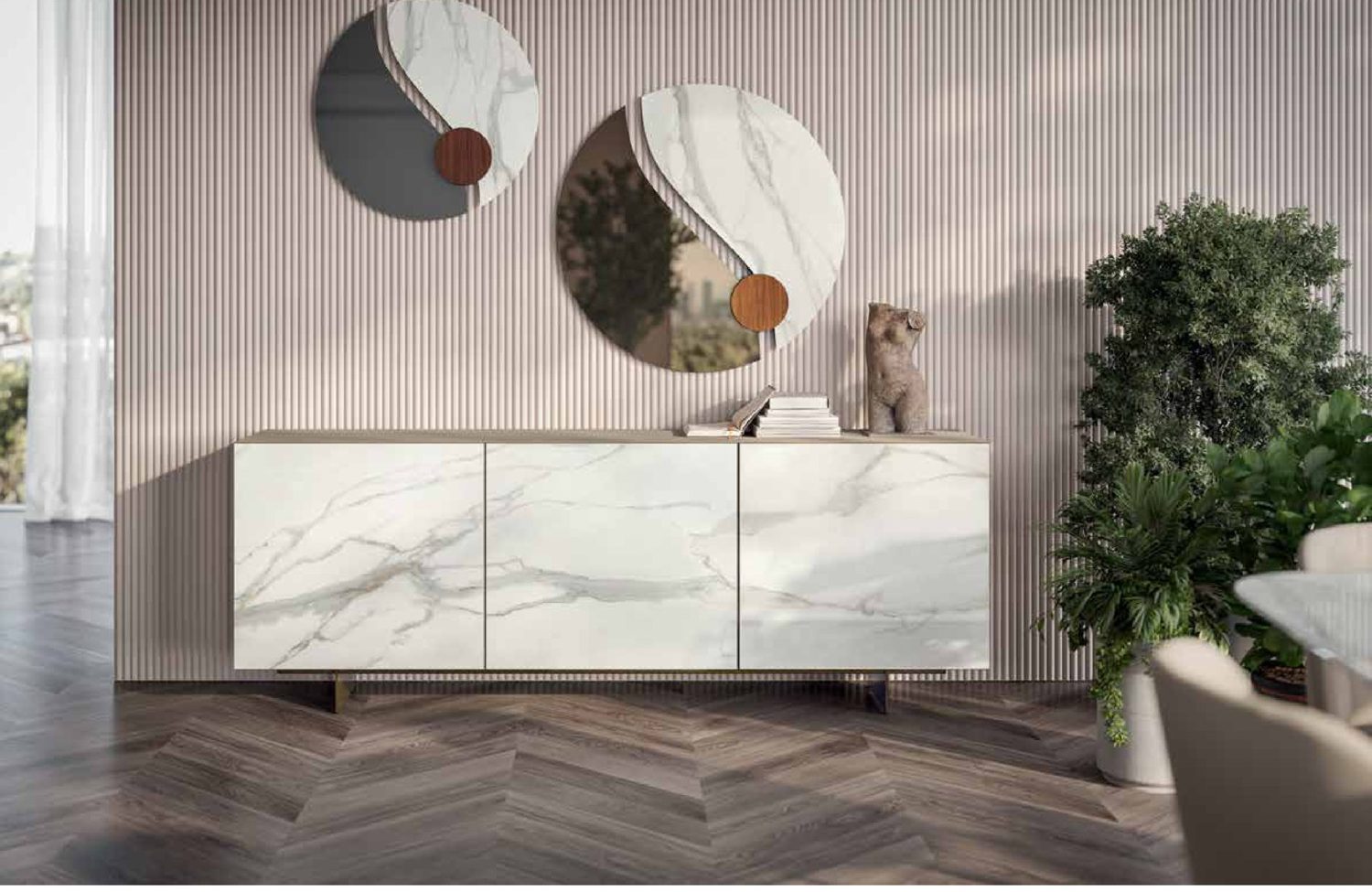
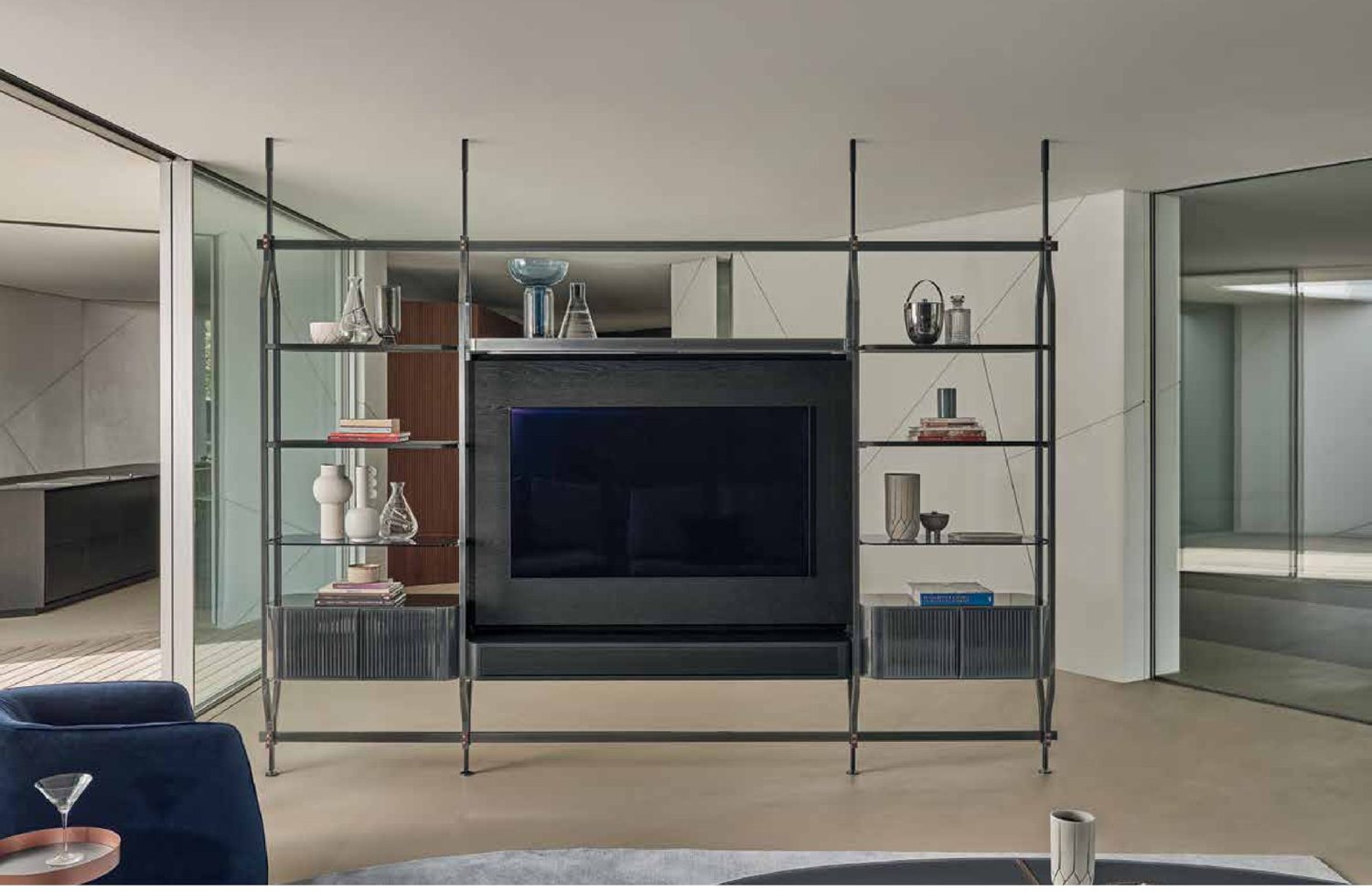
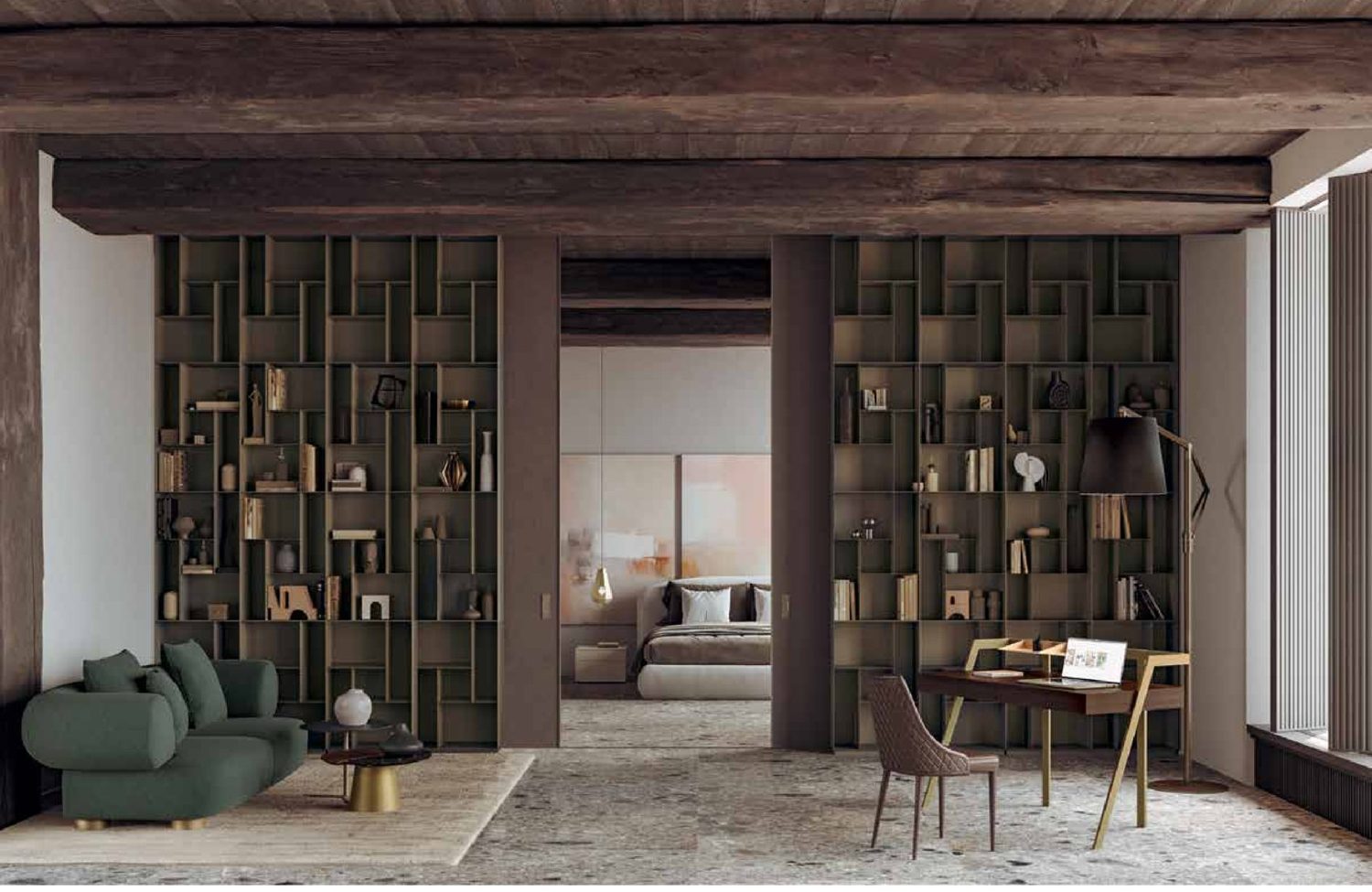
Bontempi — 45 photos


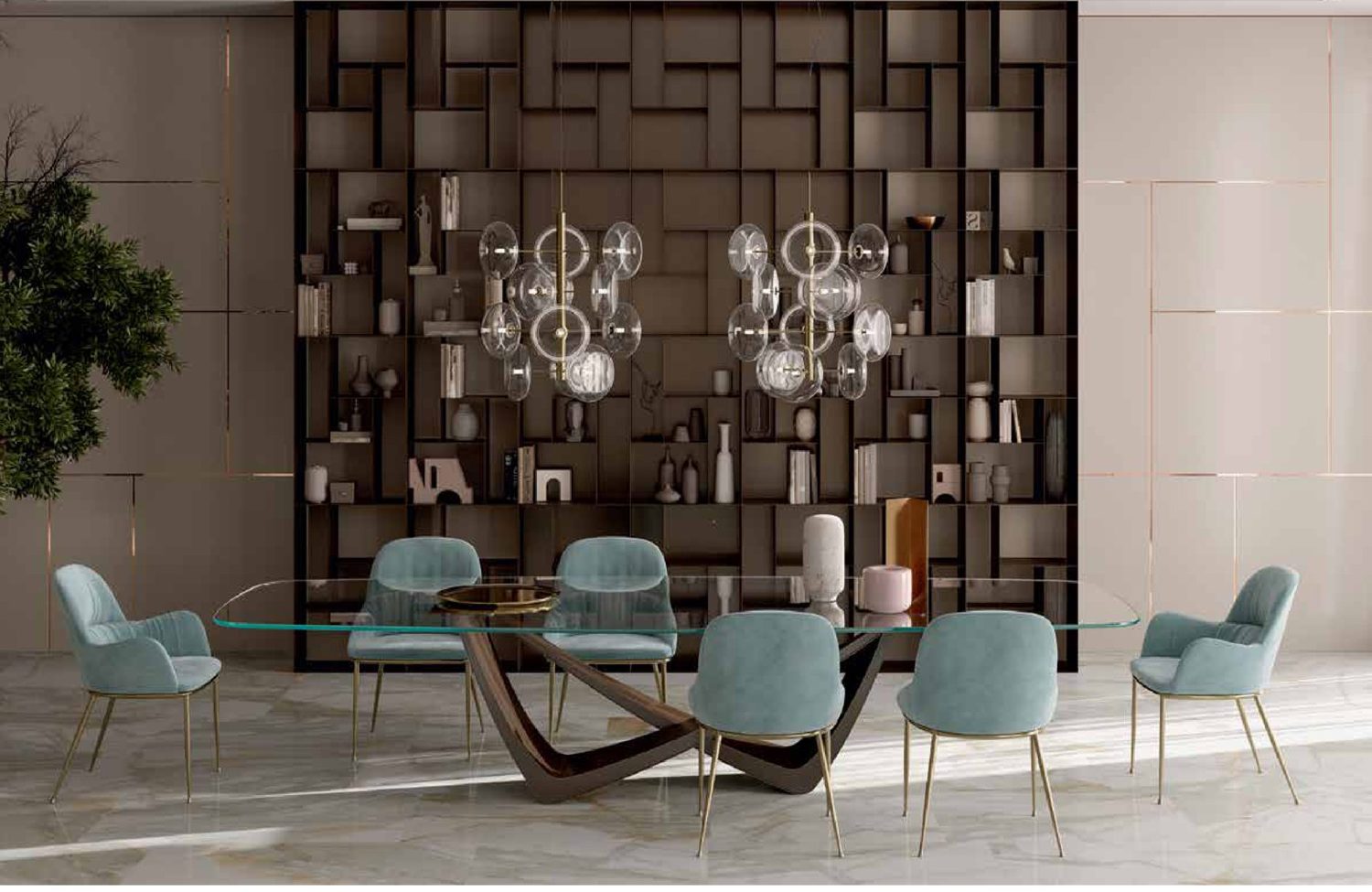
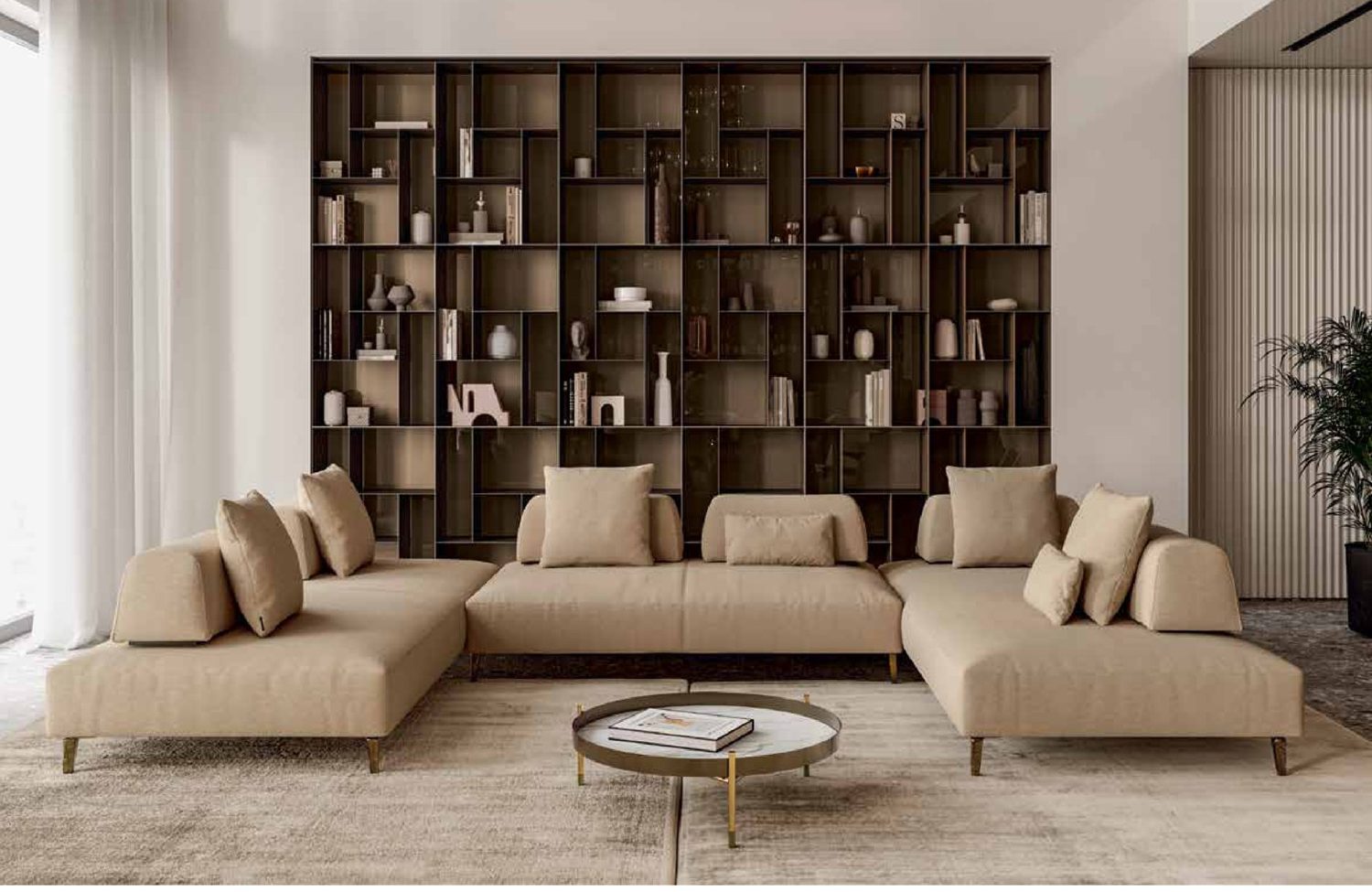
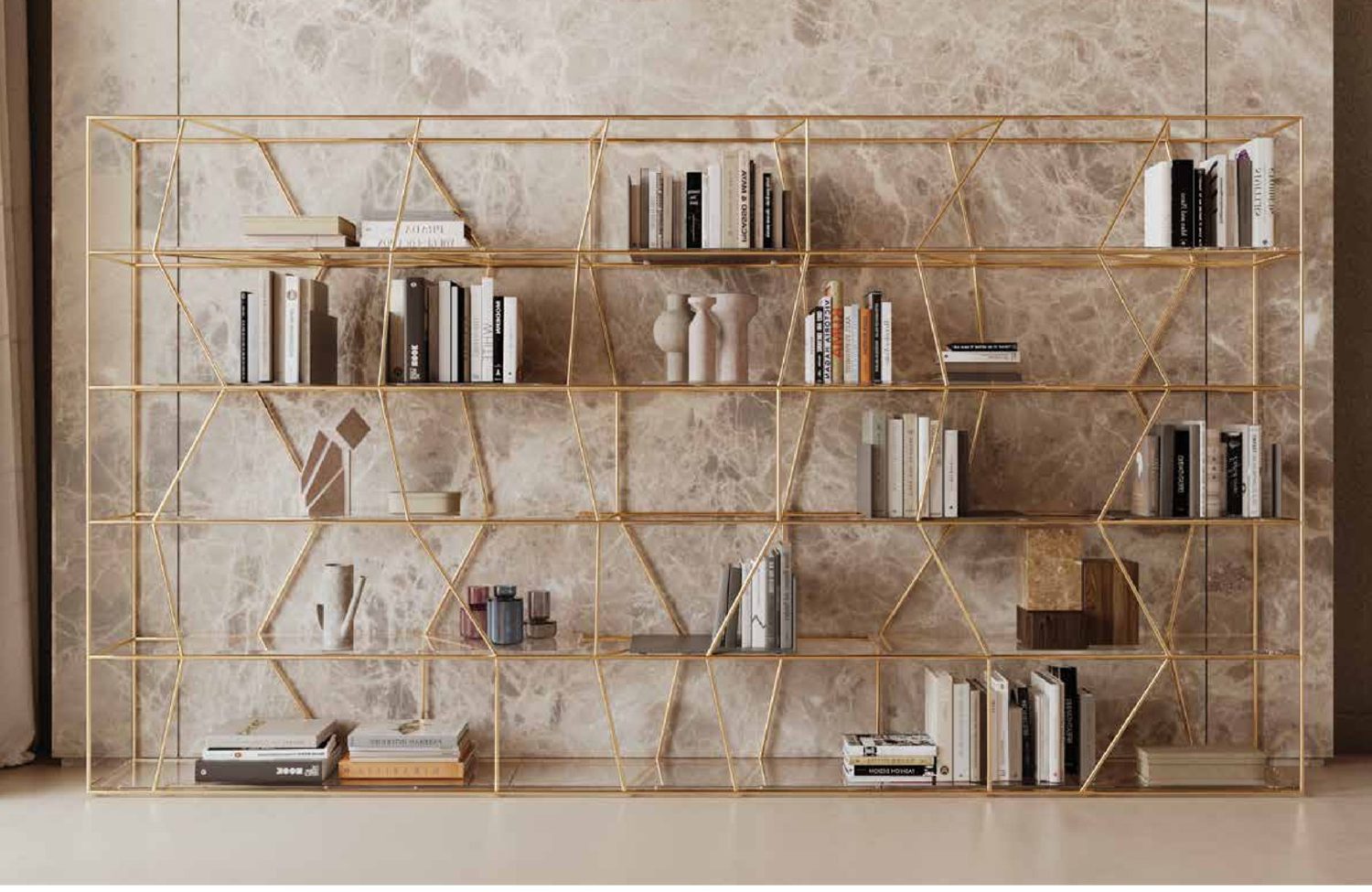
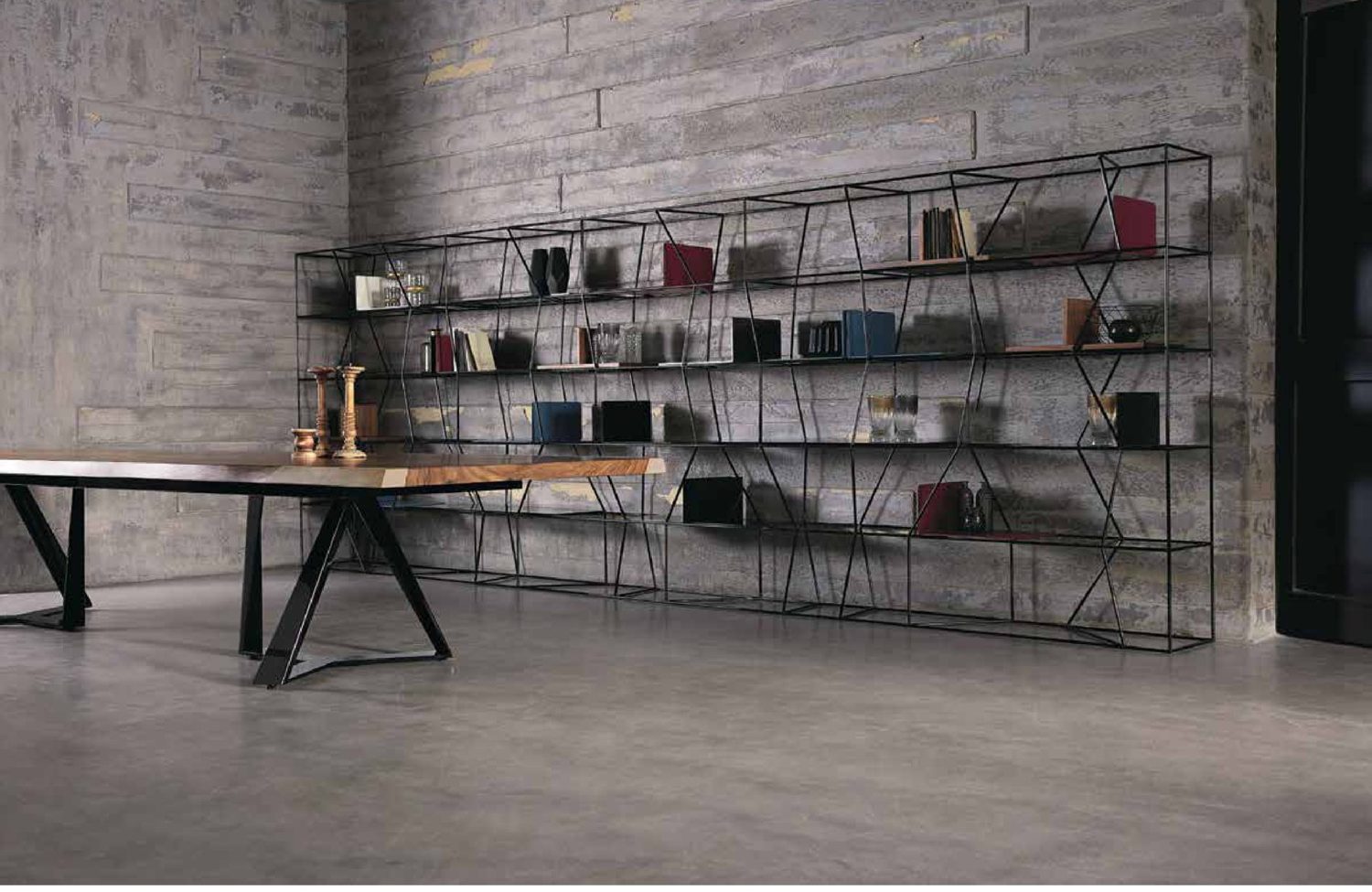
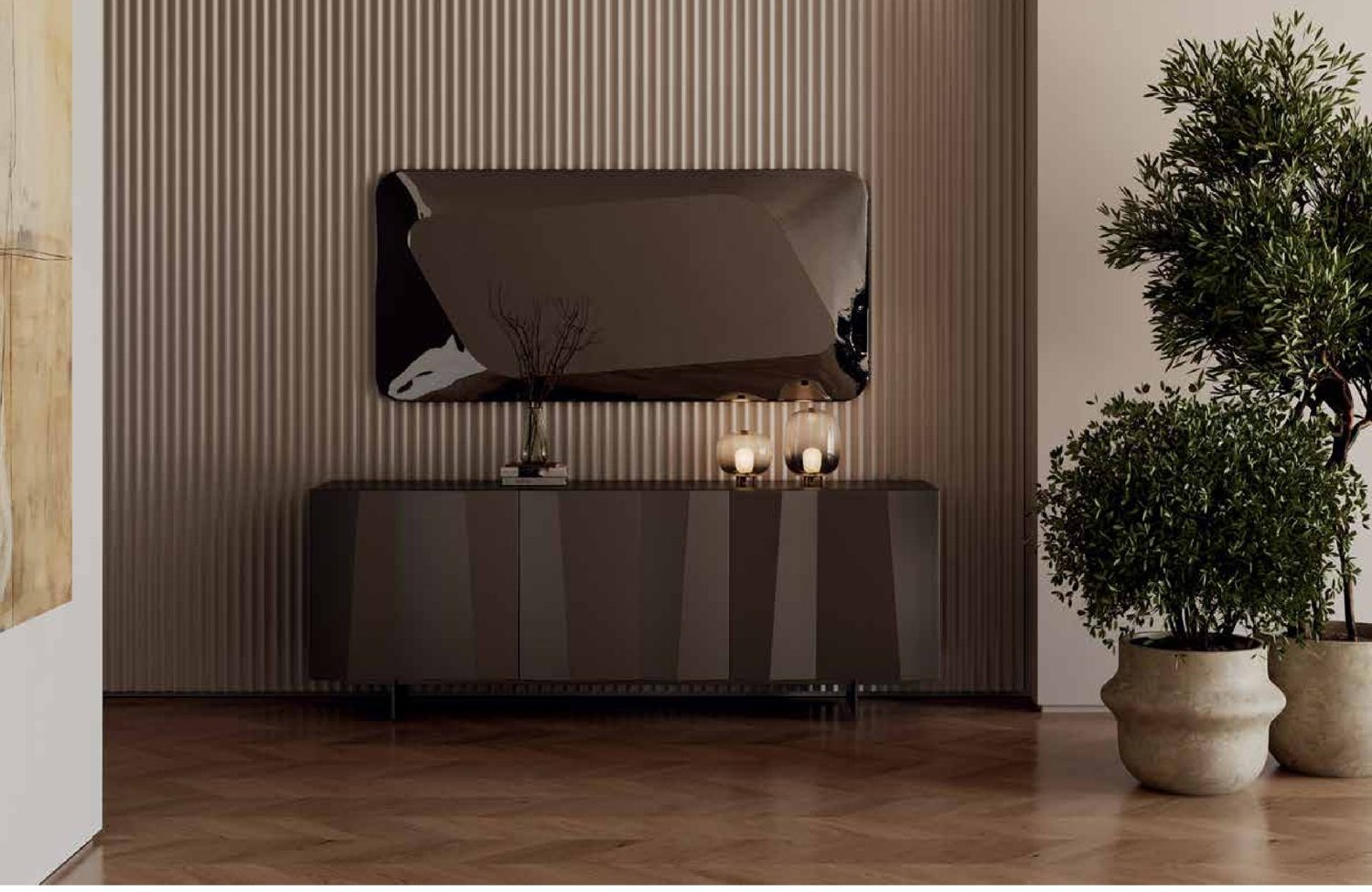
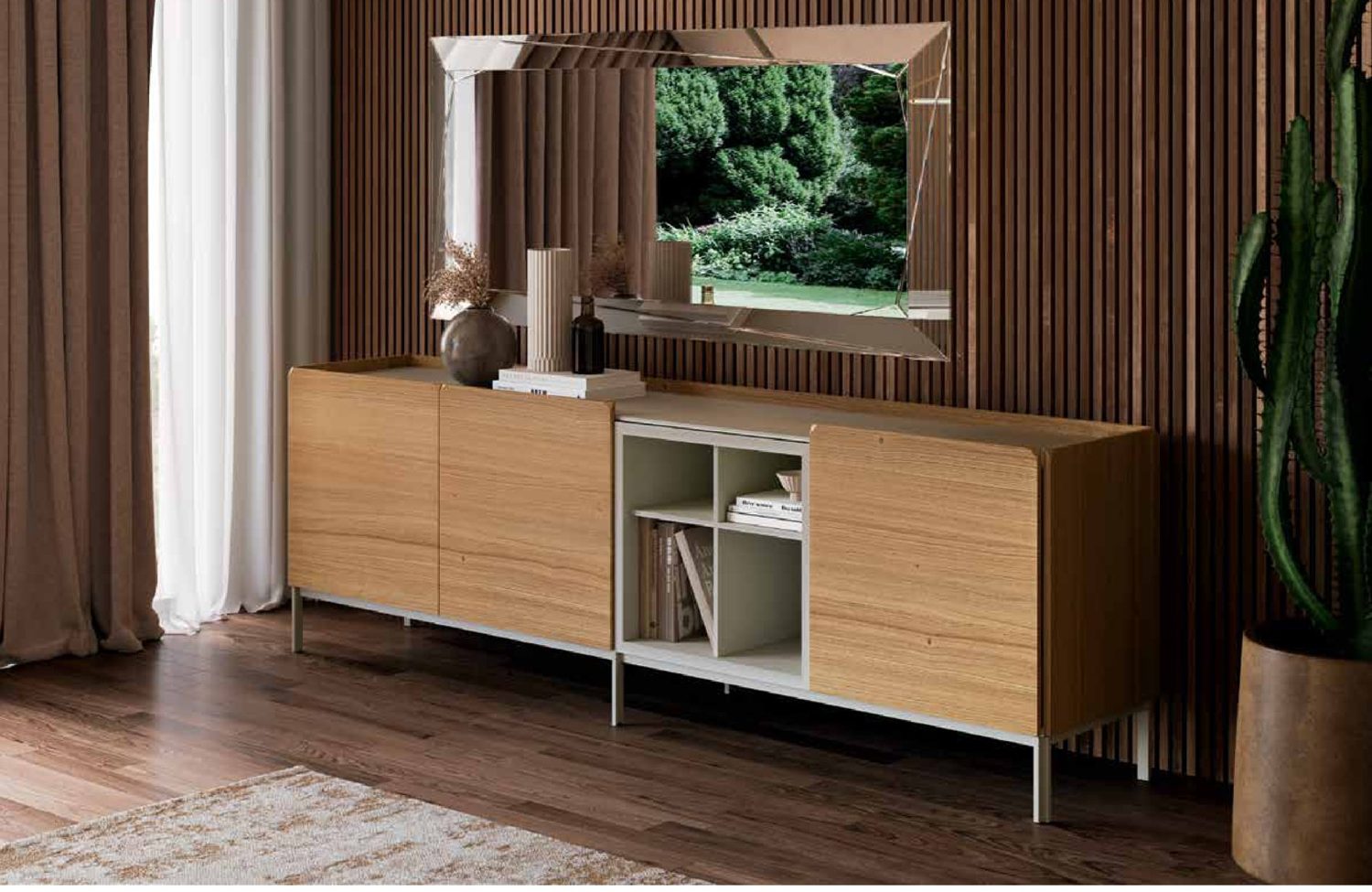

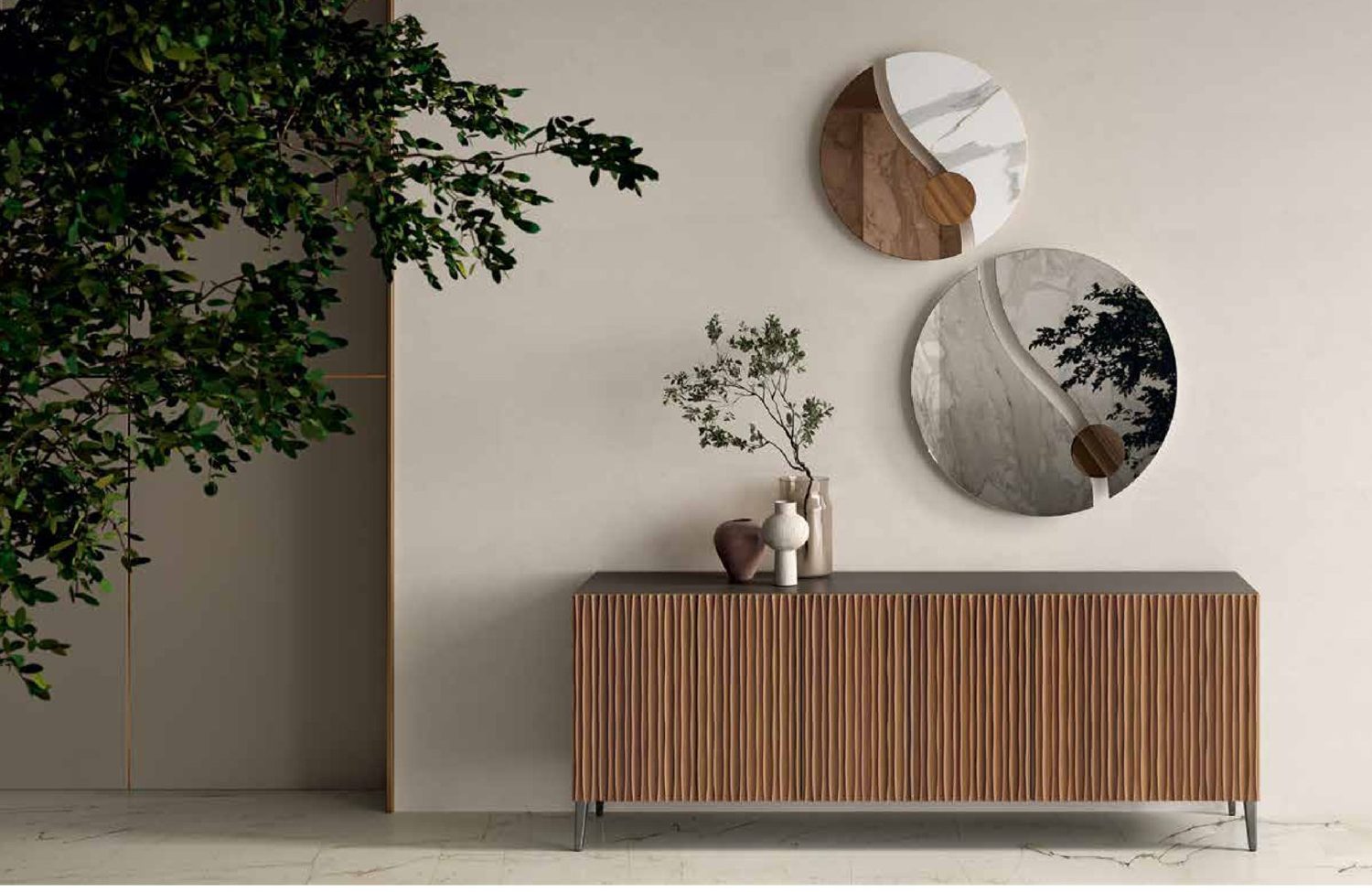
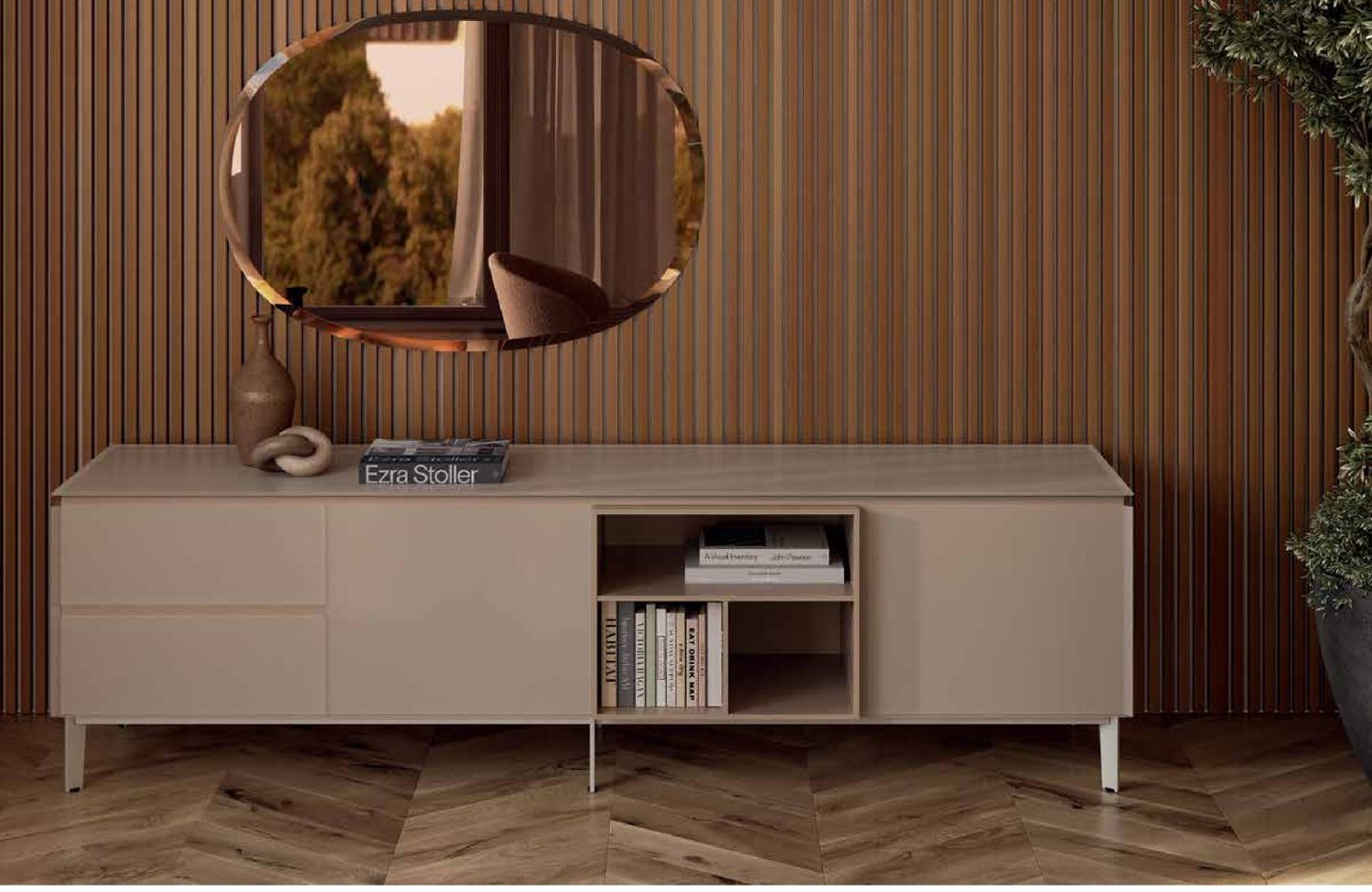
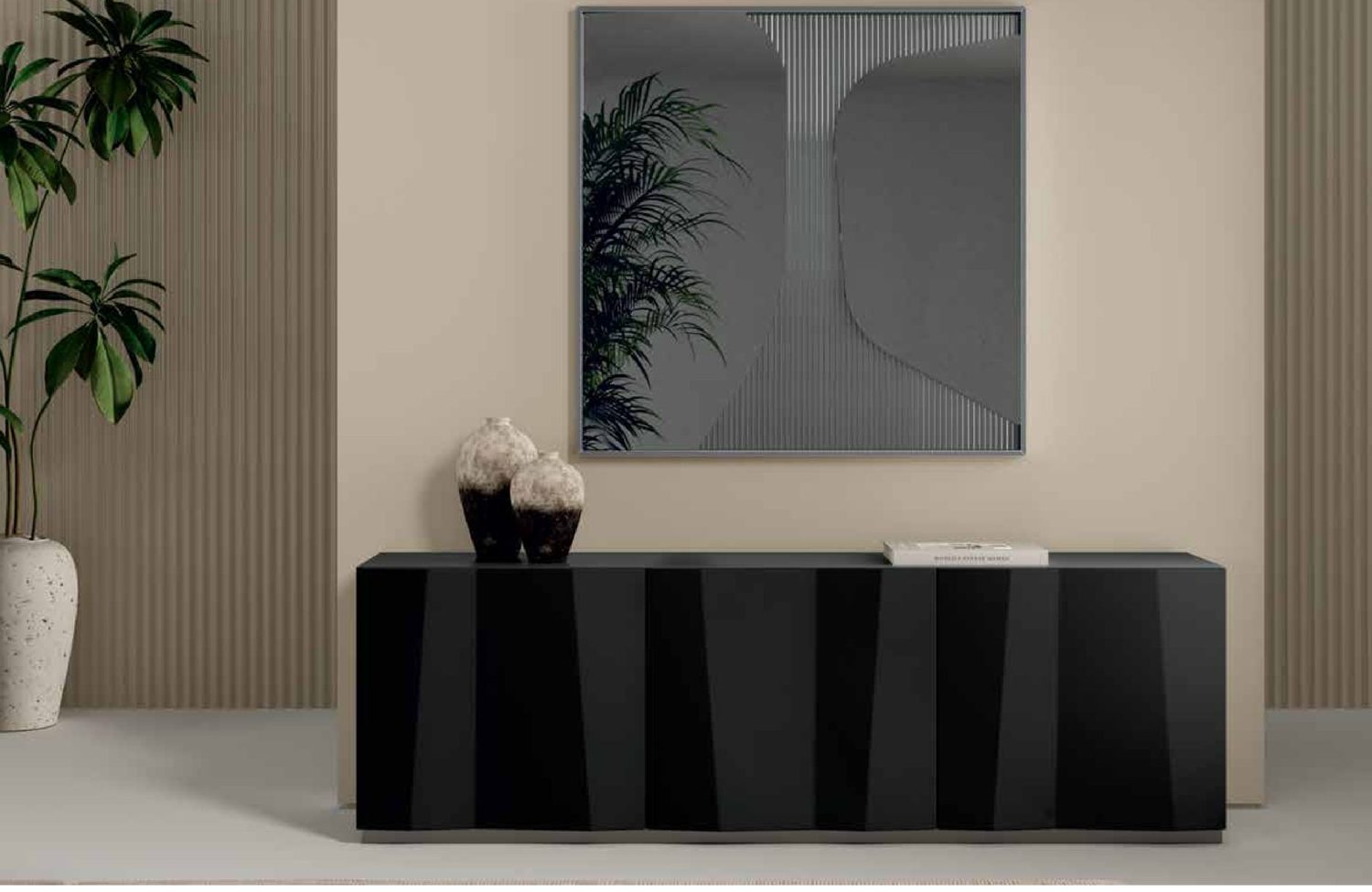
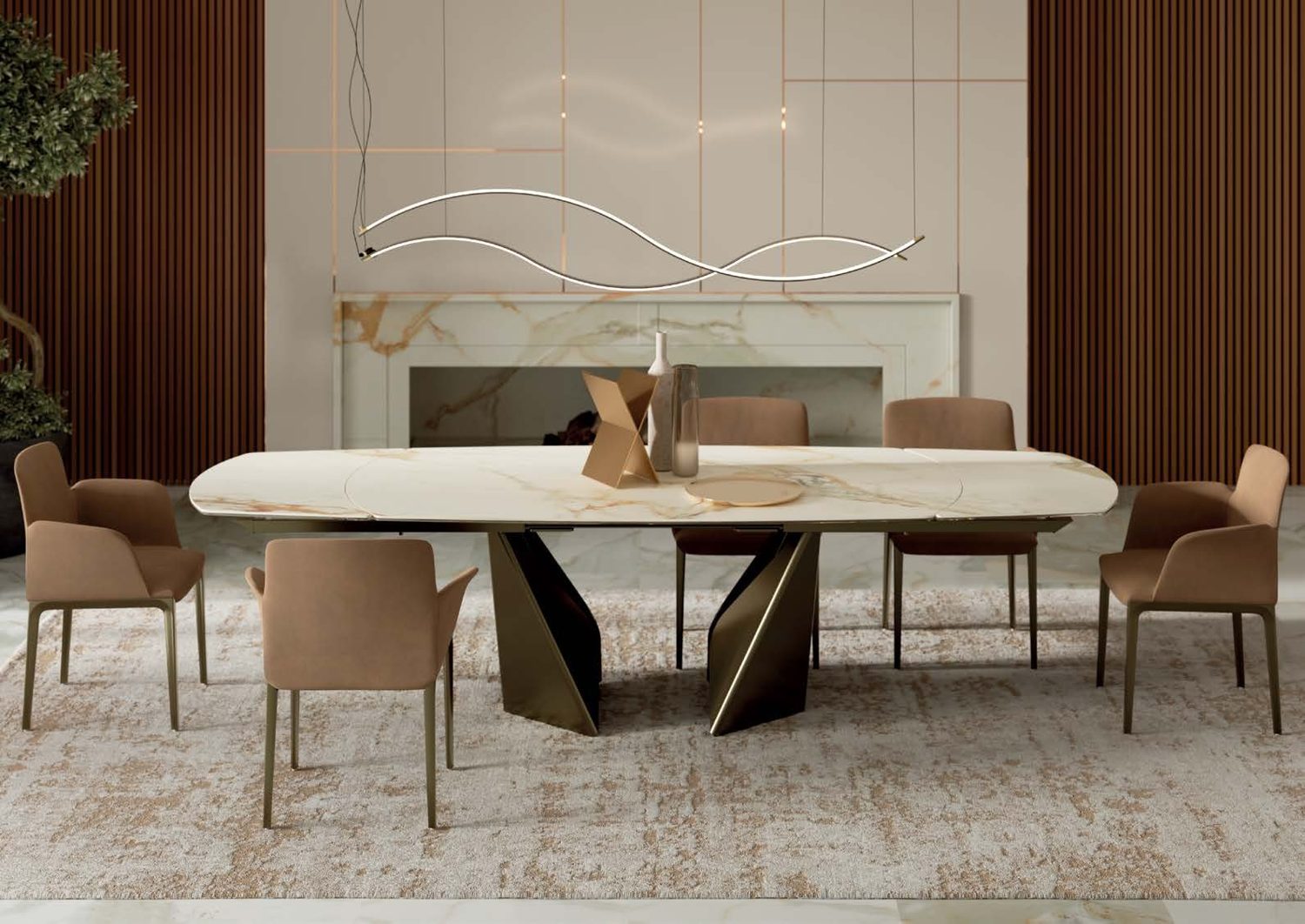
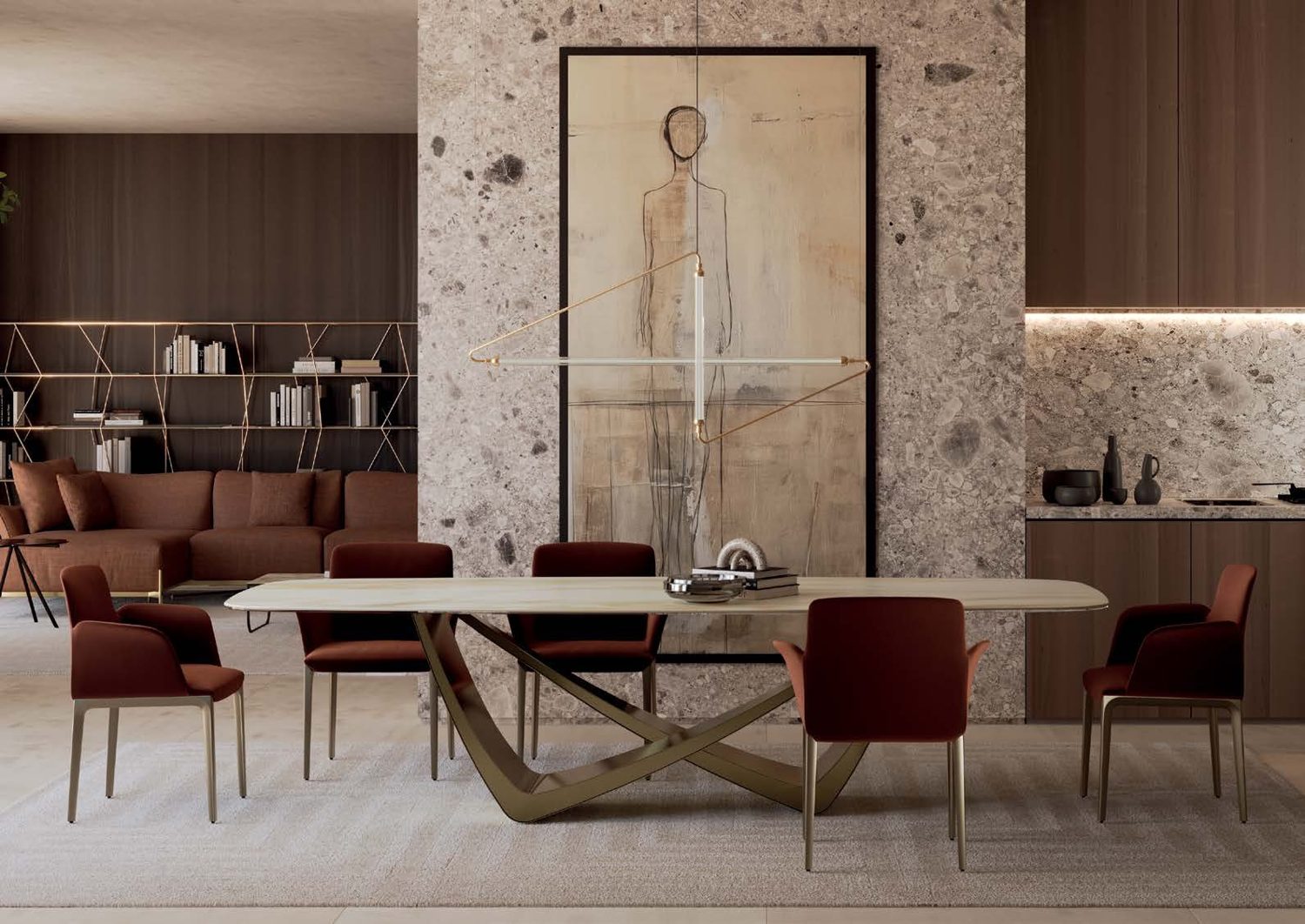
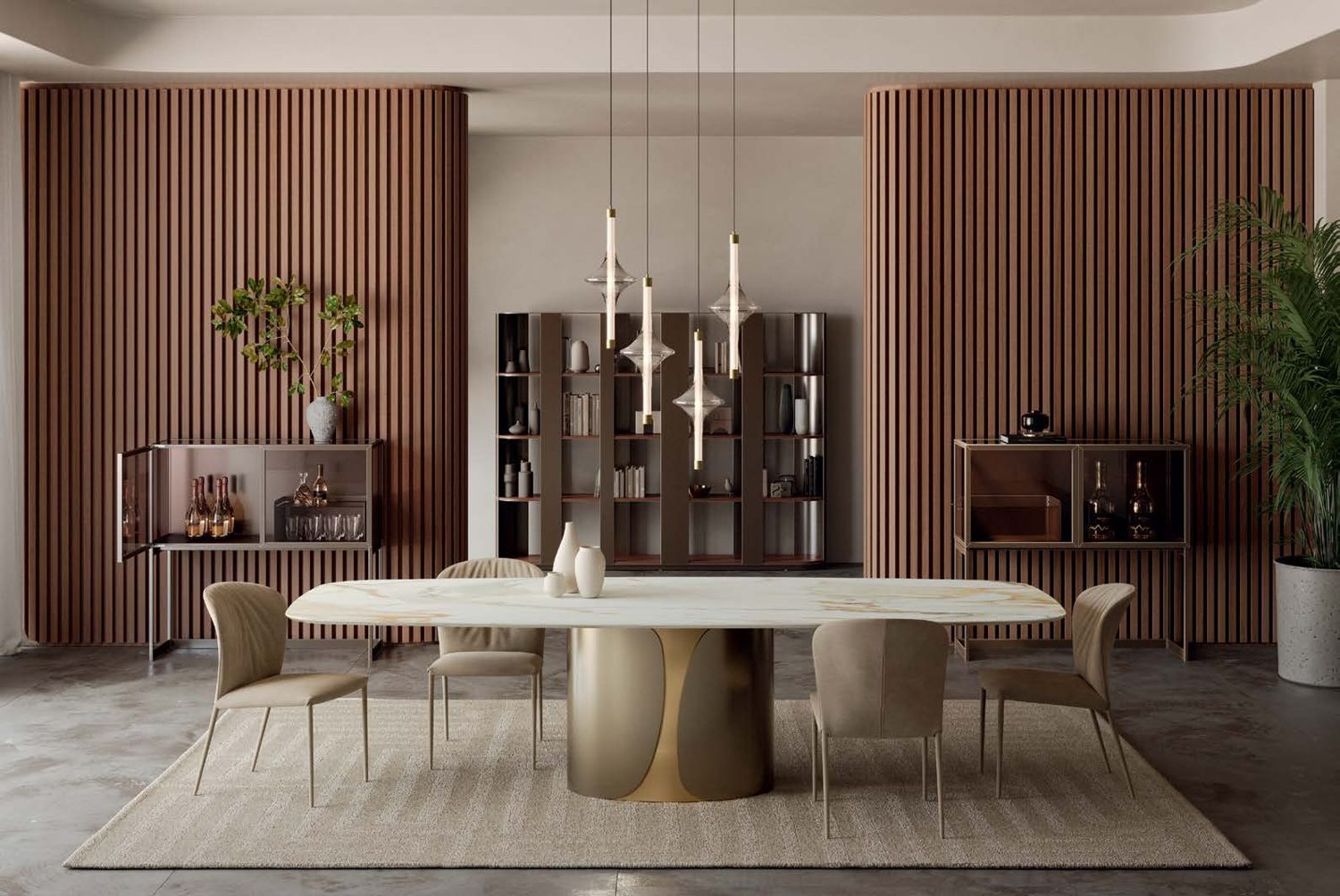
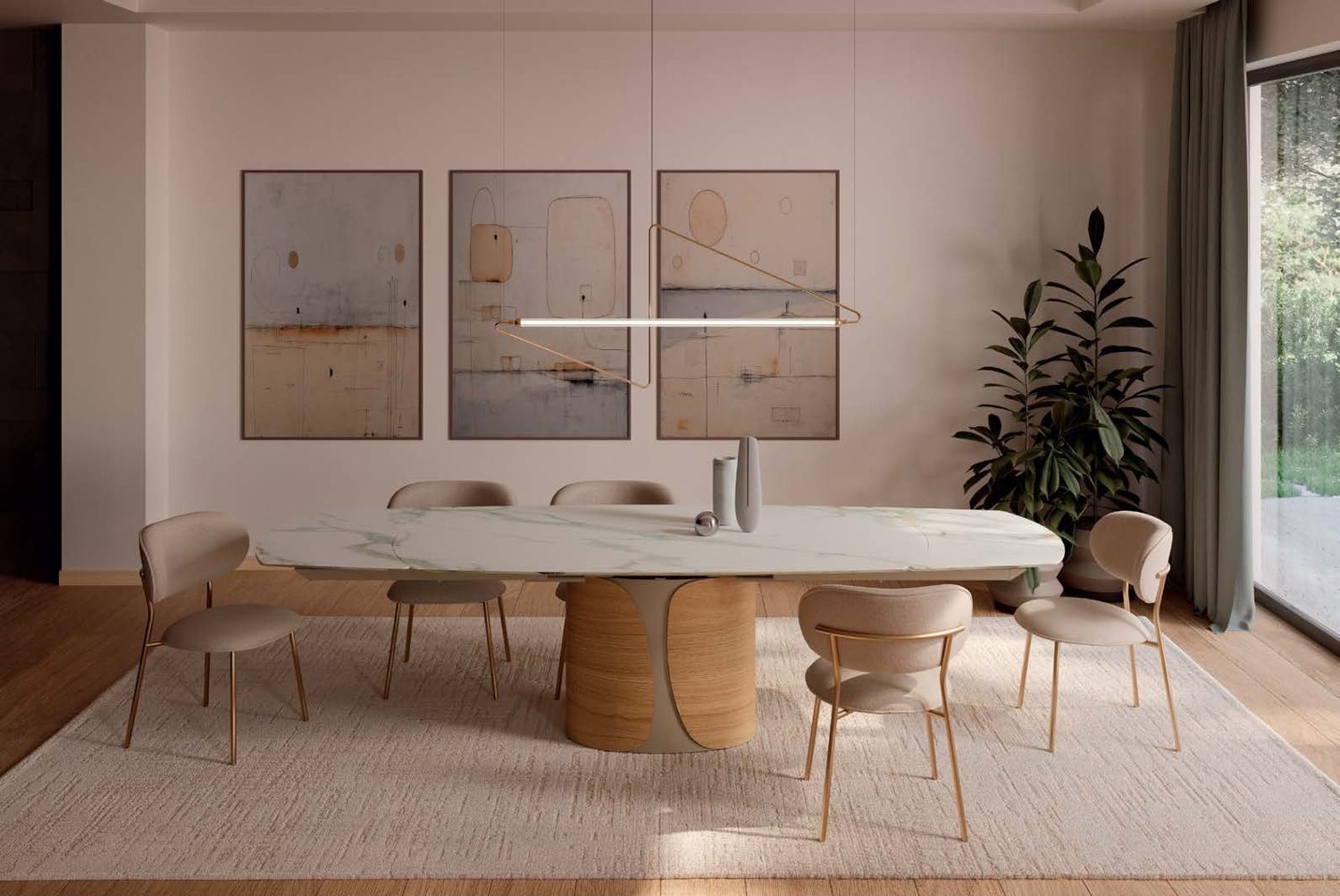
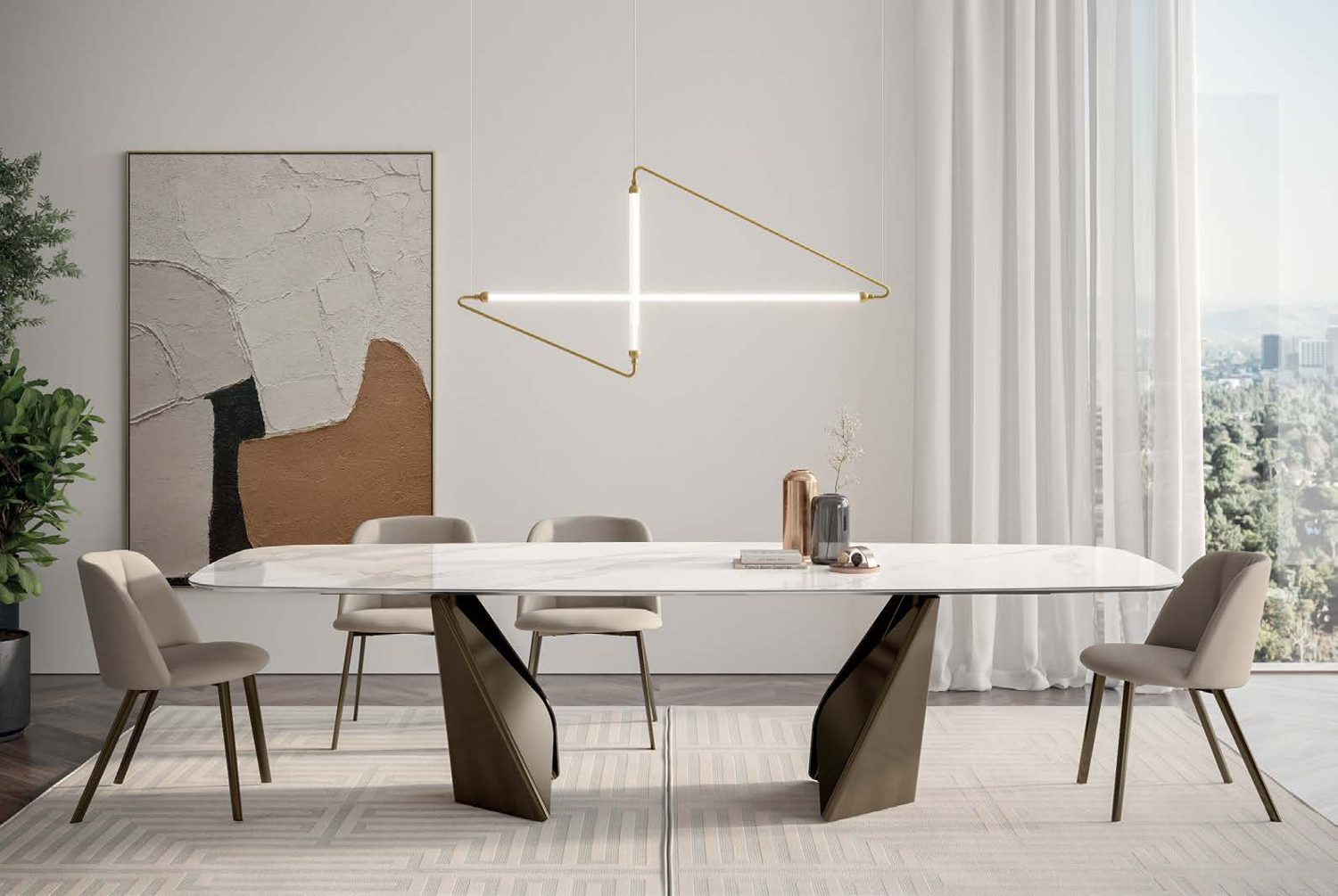
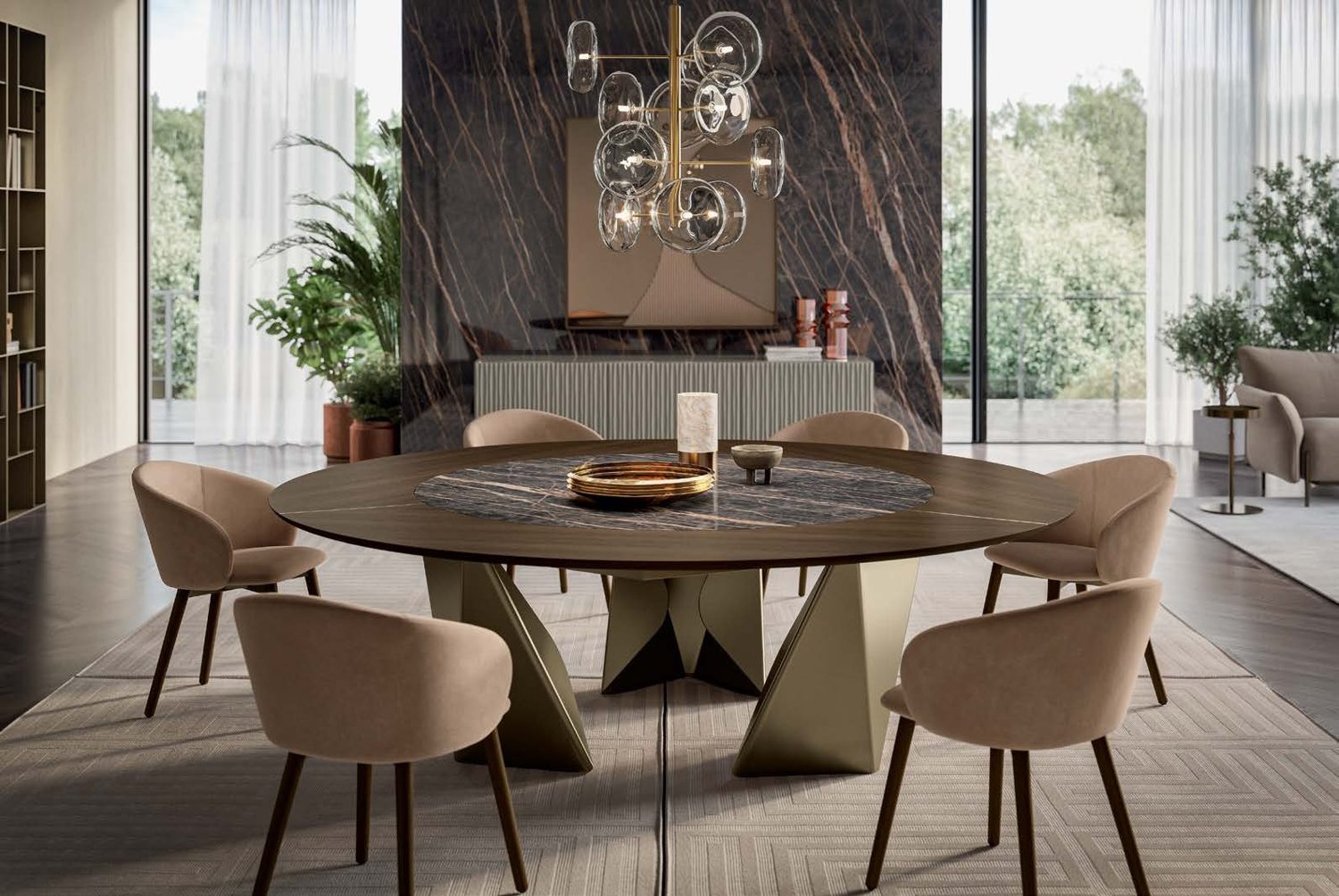
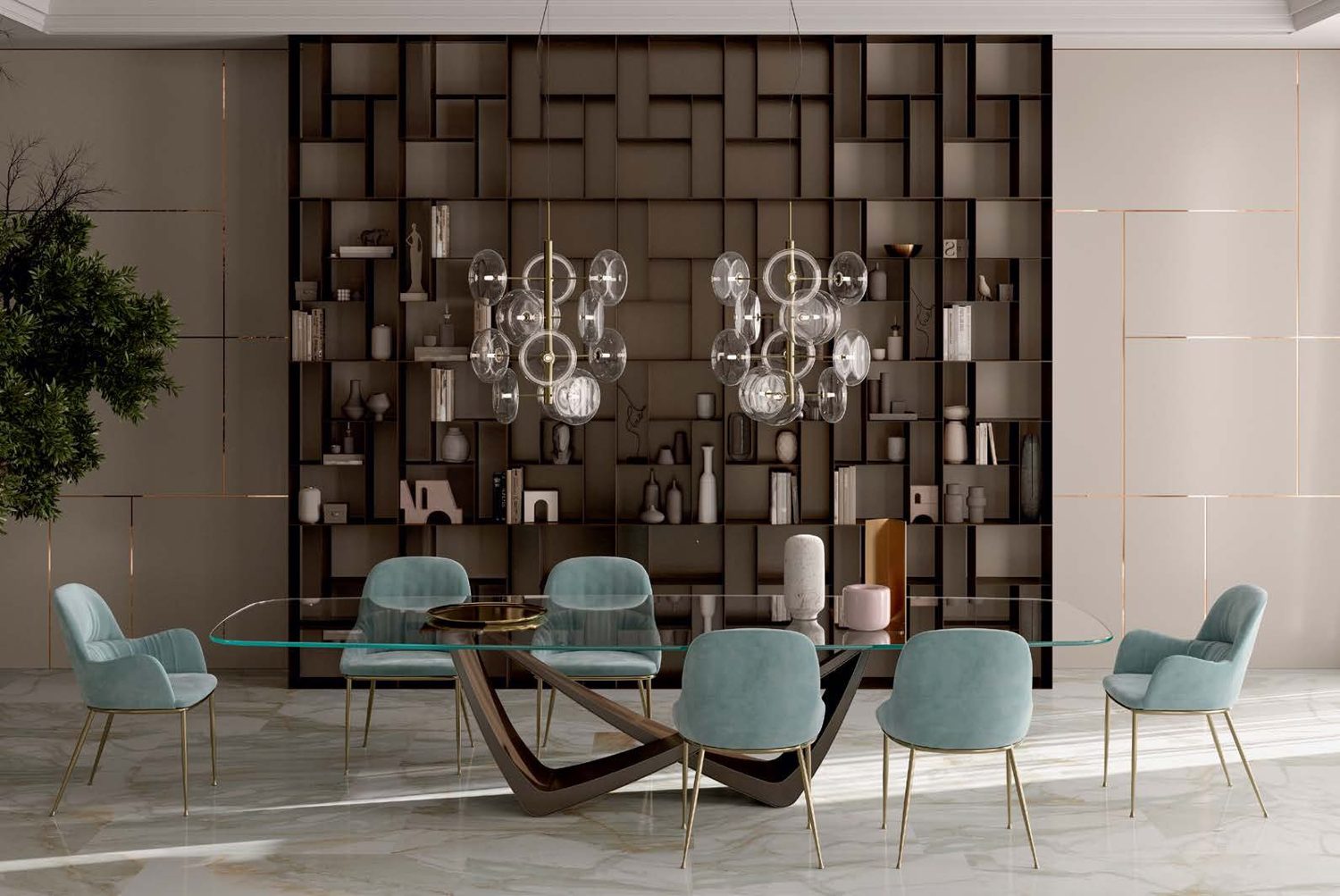
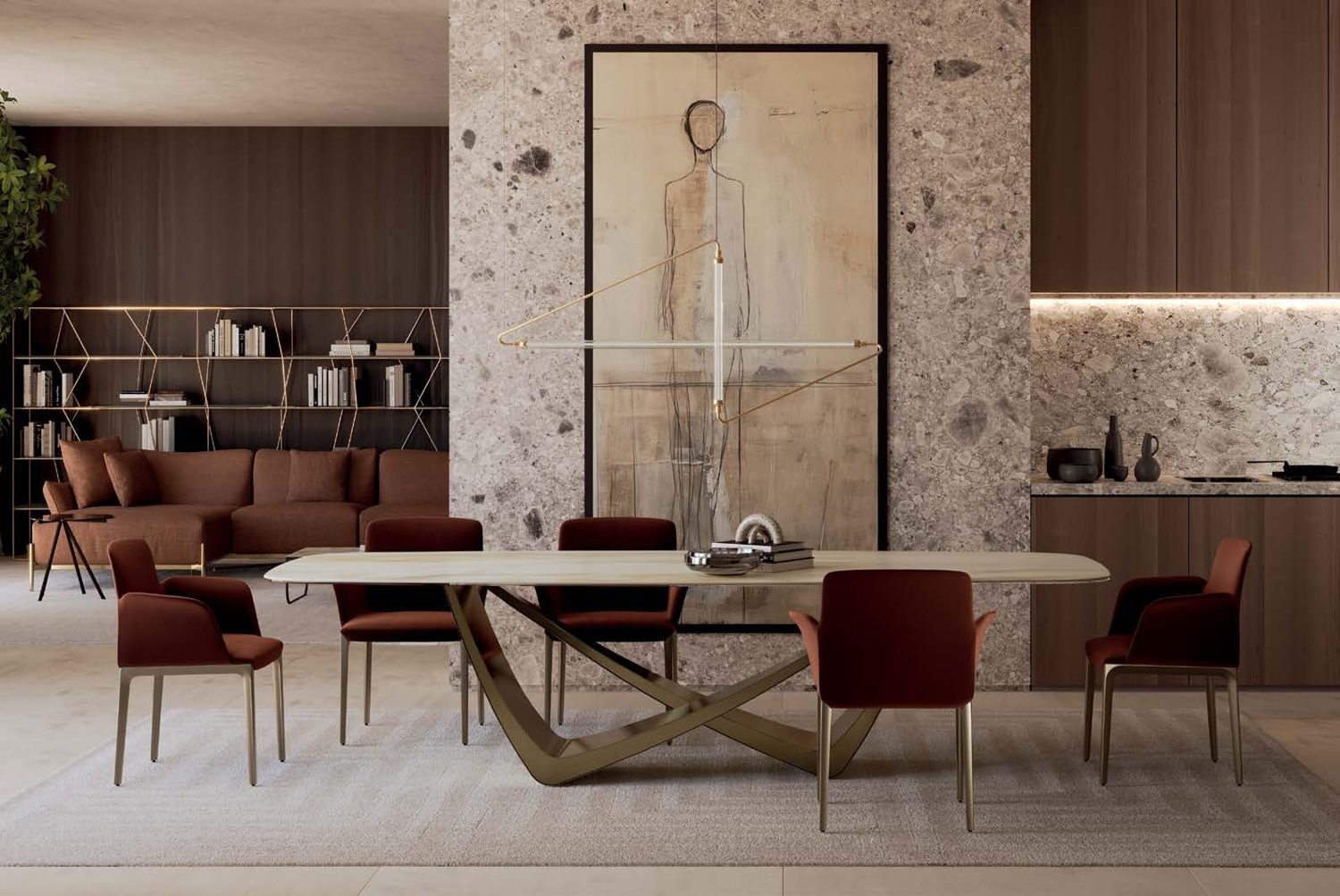
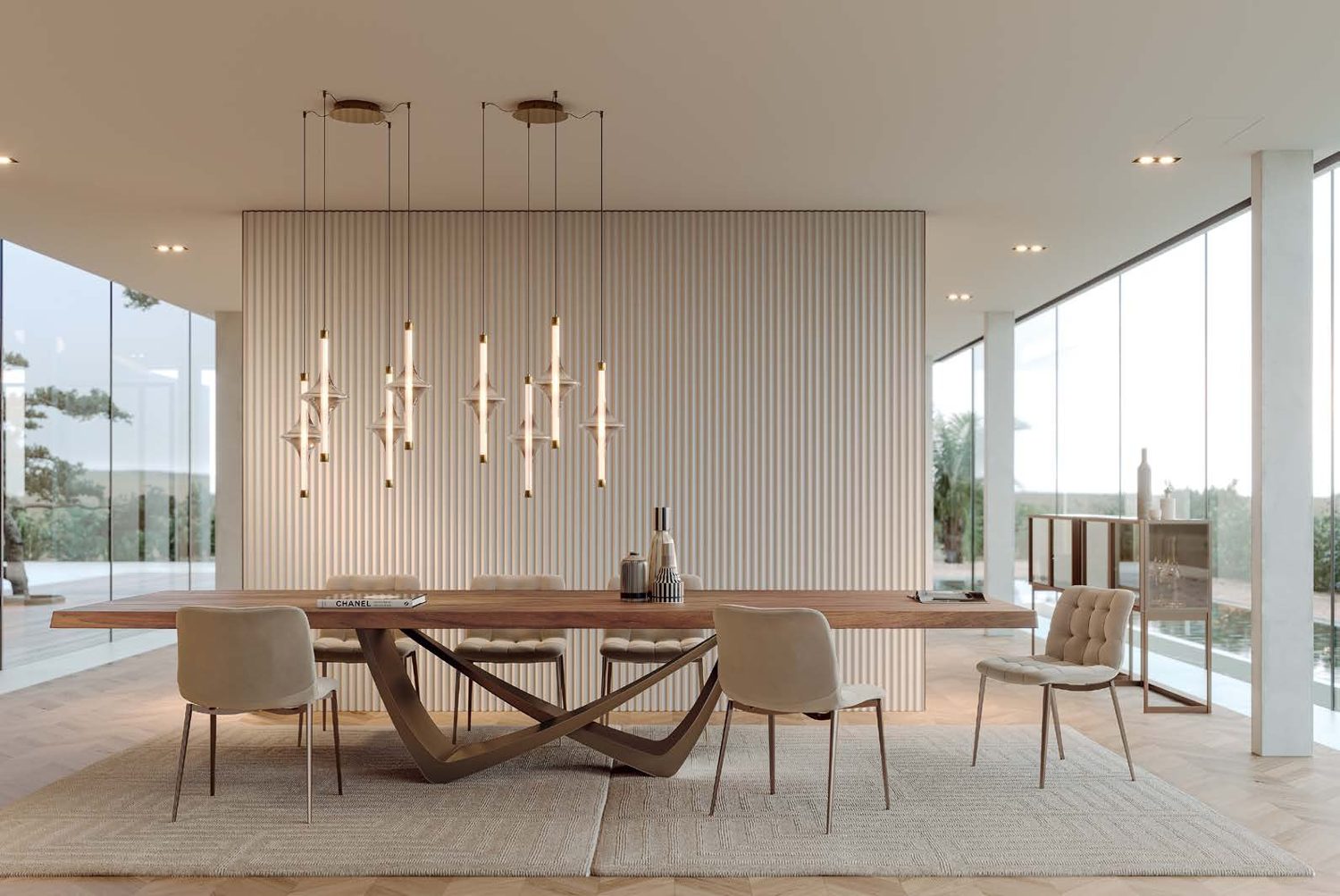
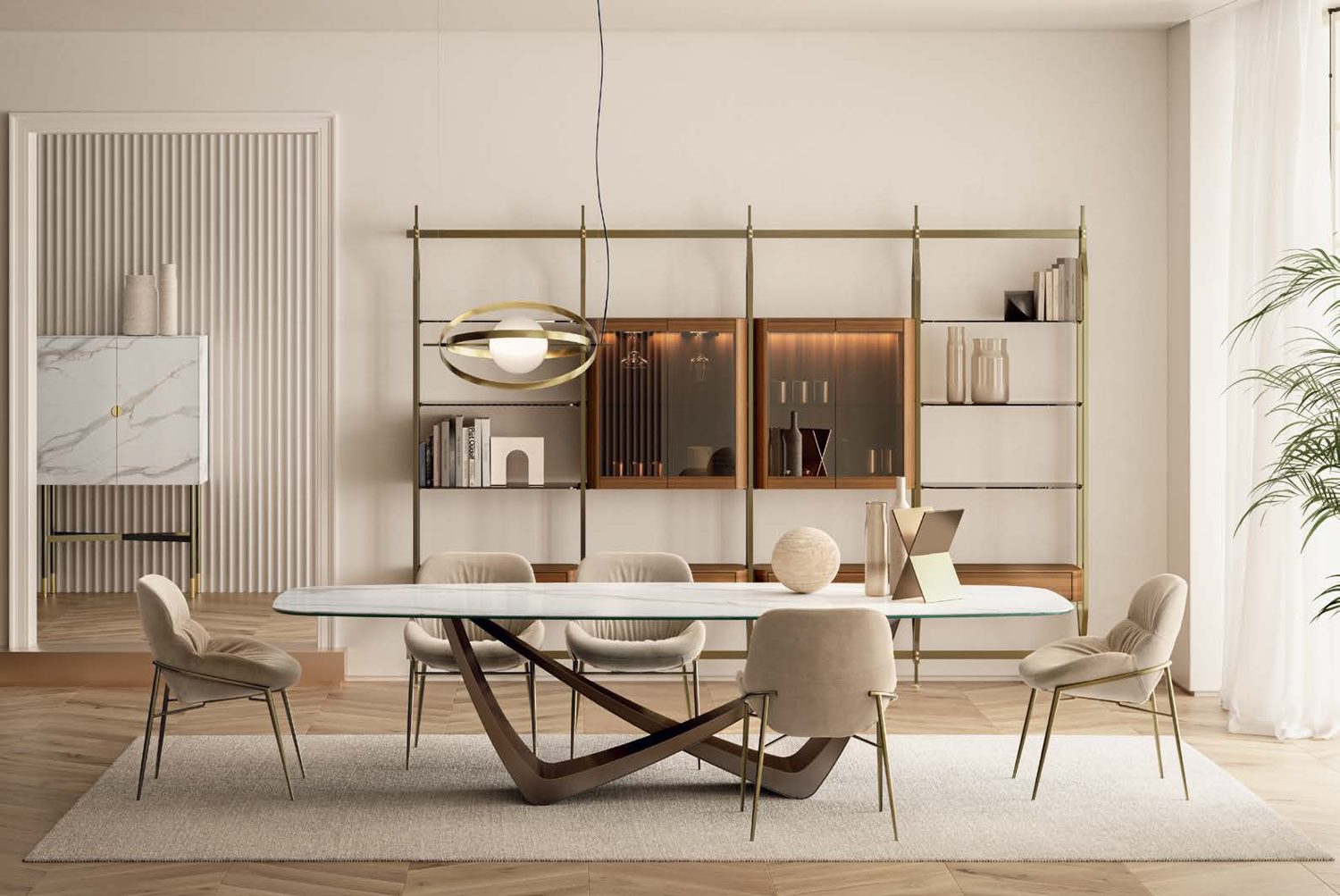
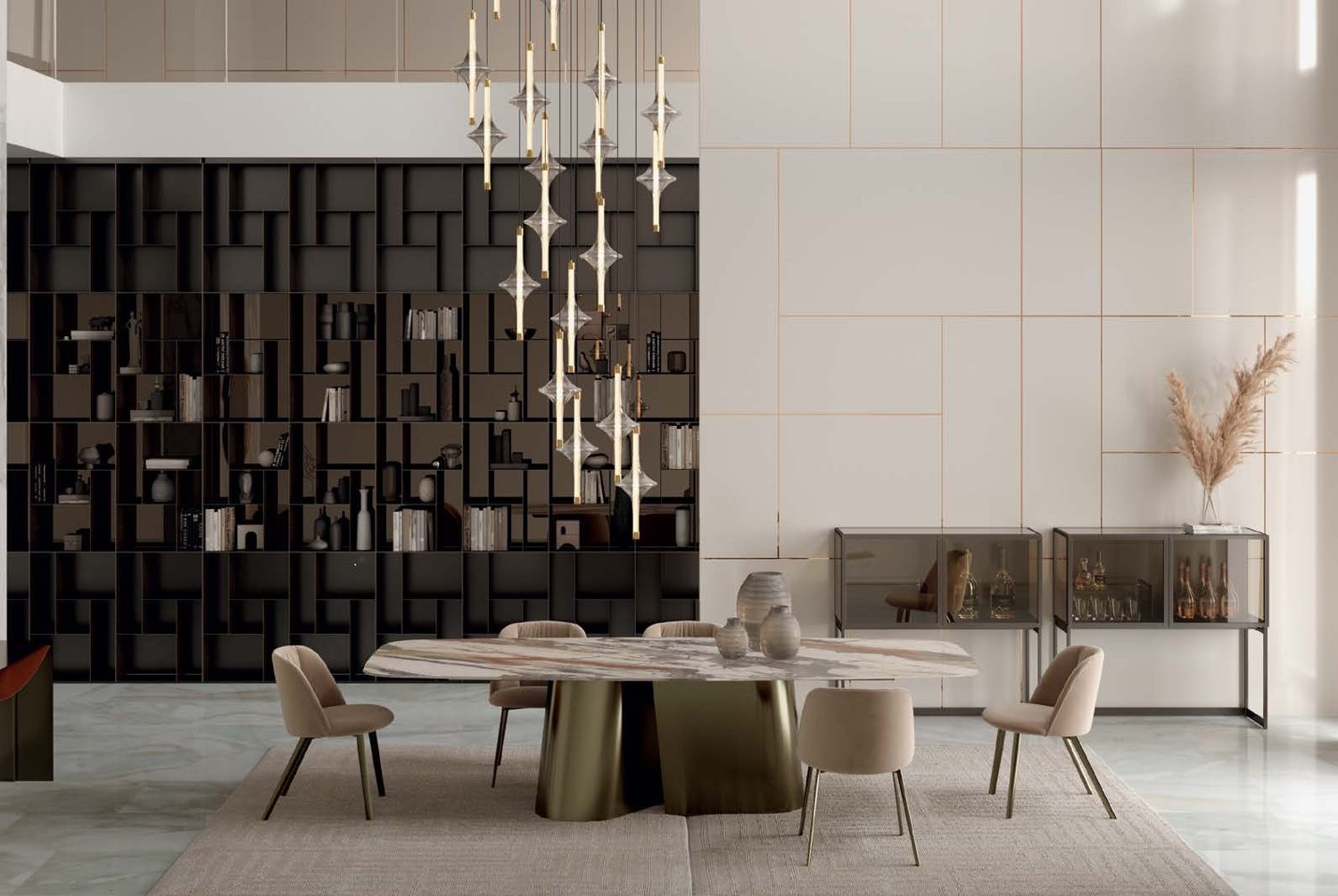
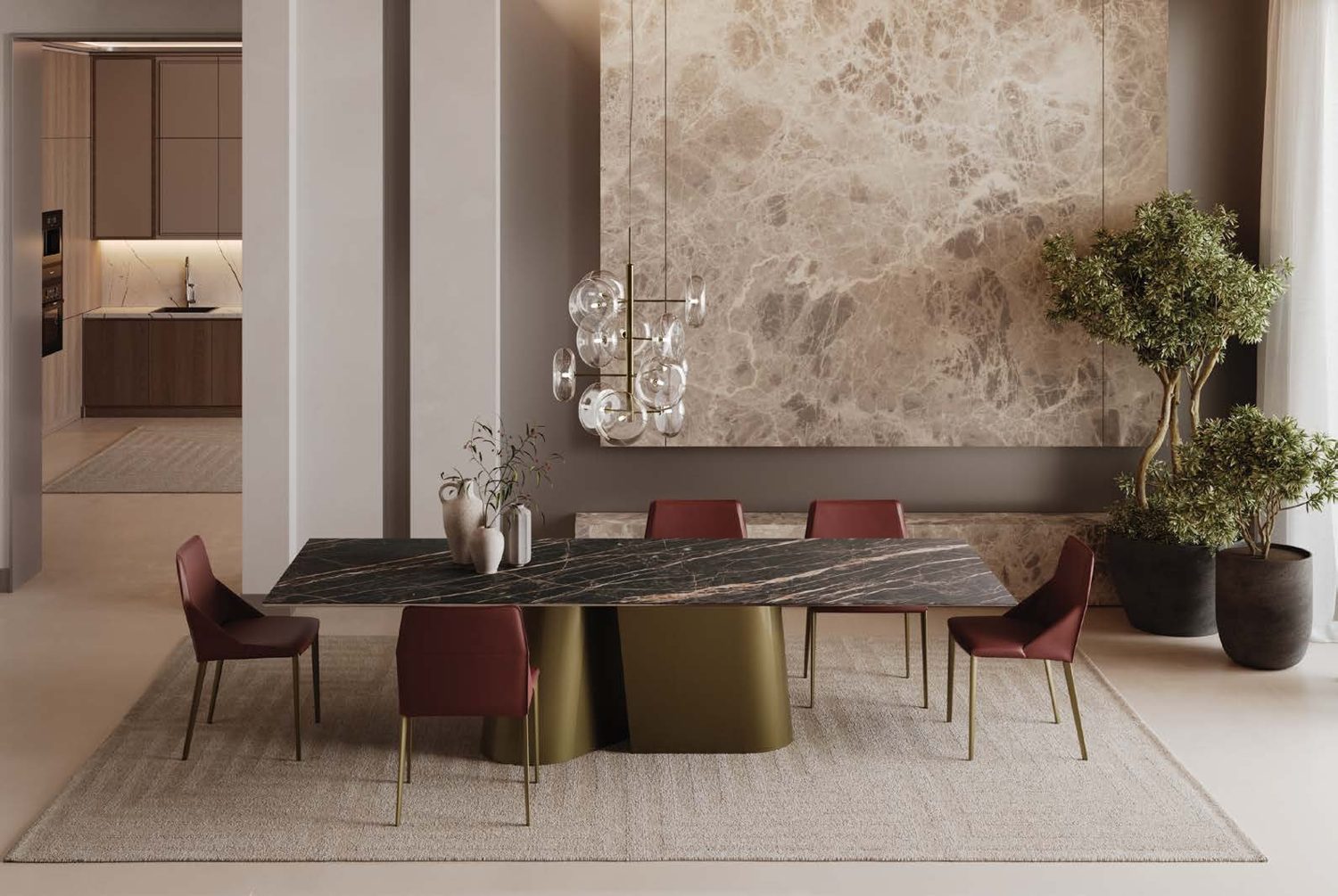

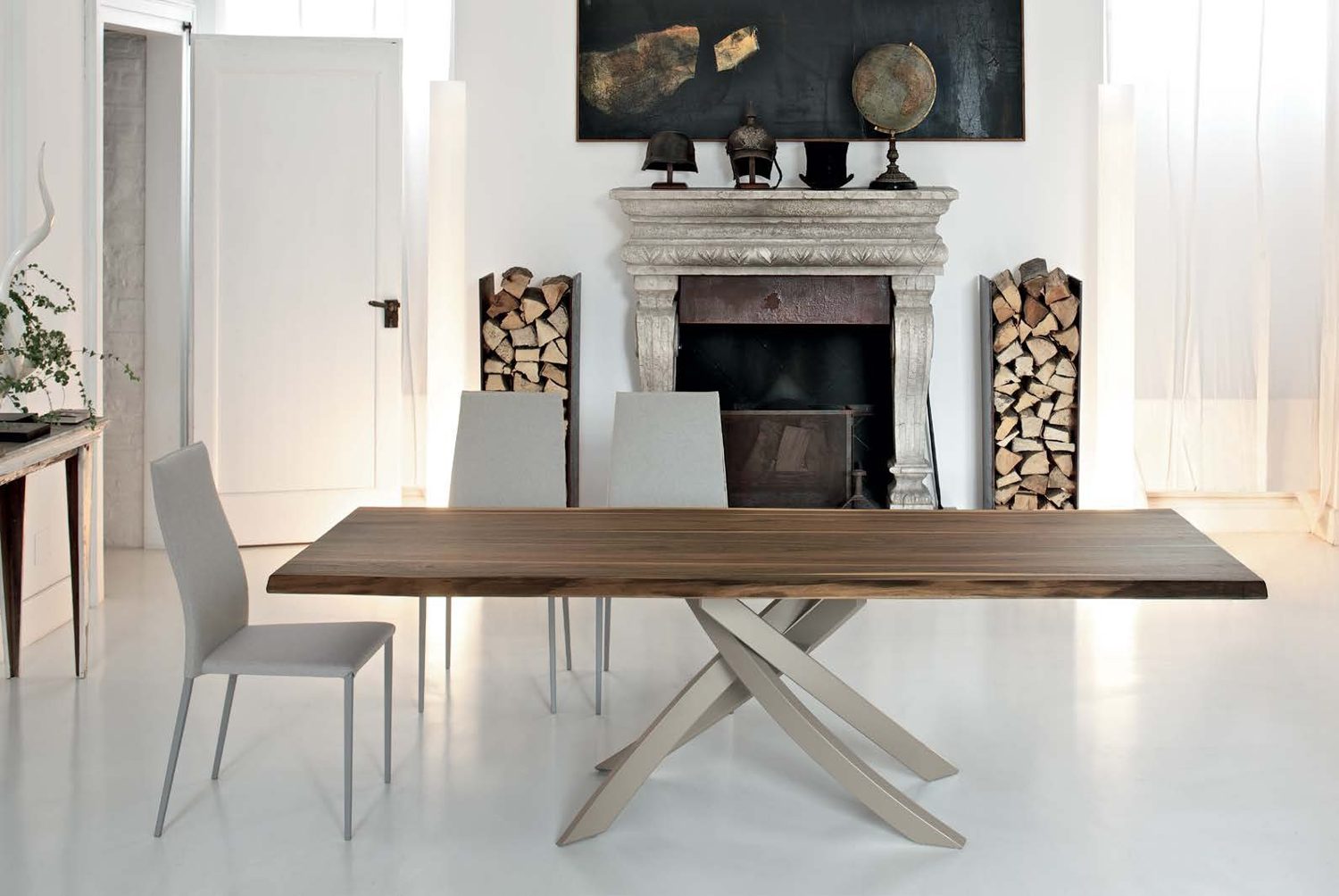
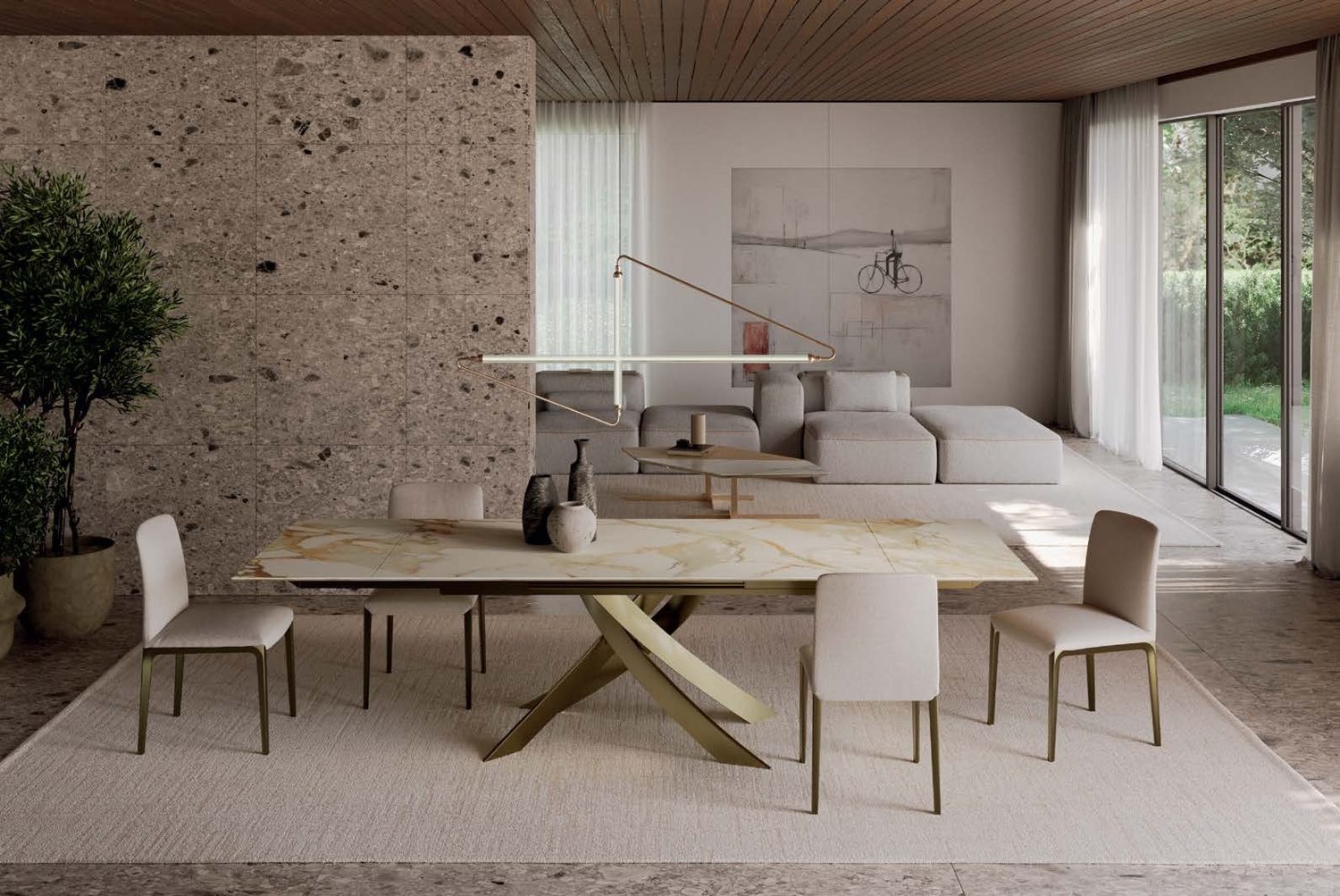
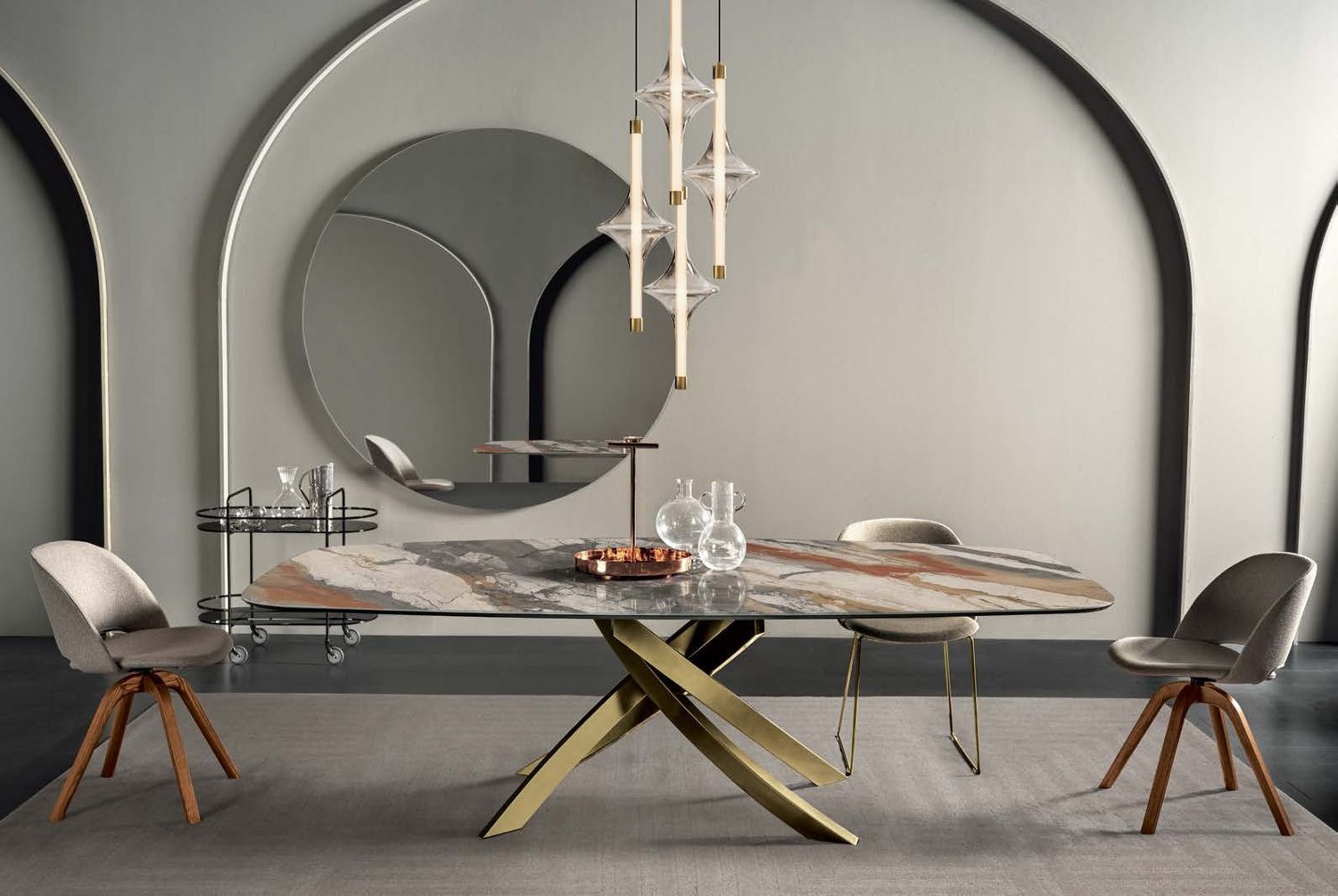
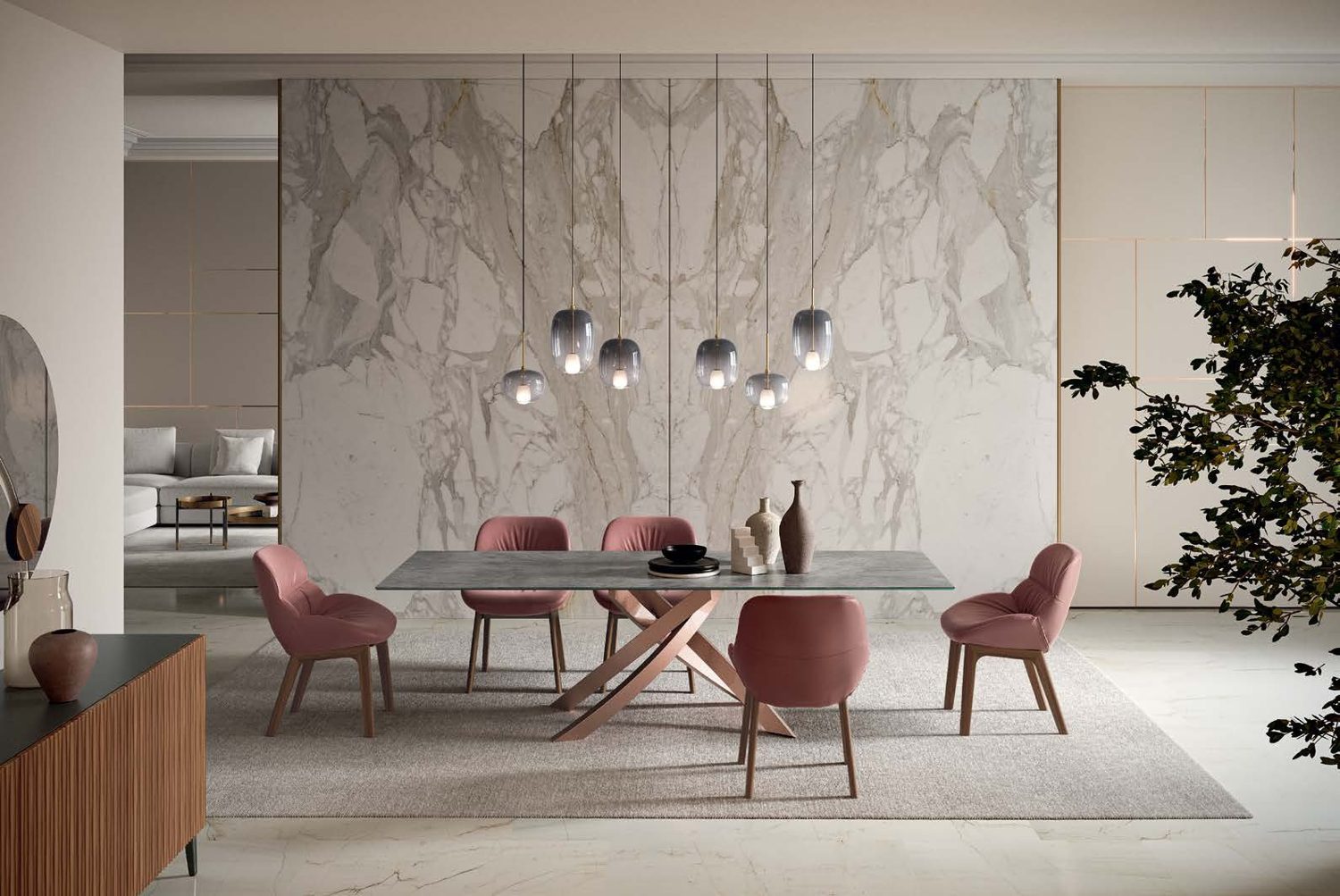
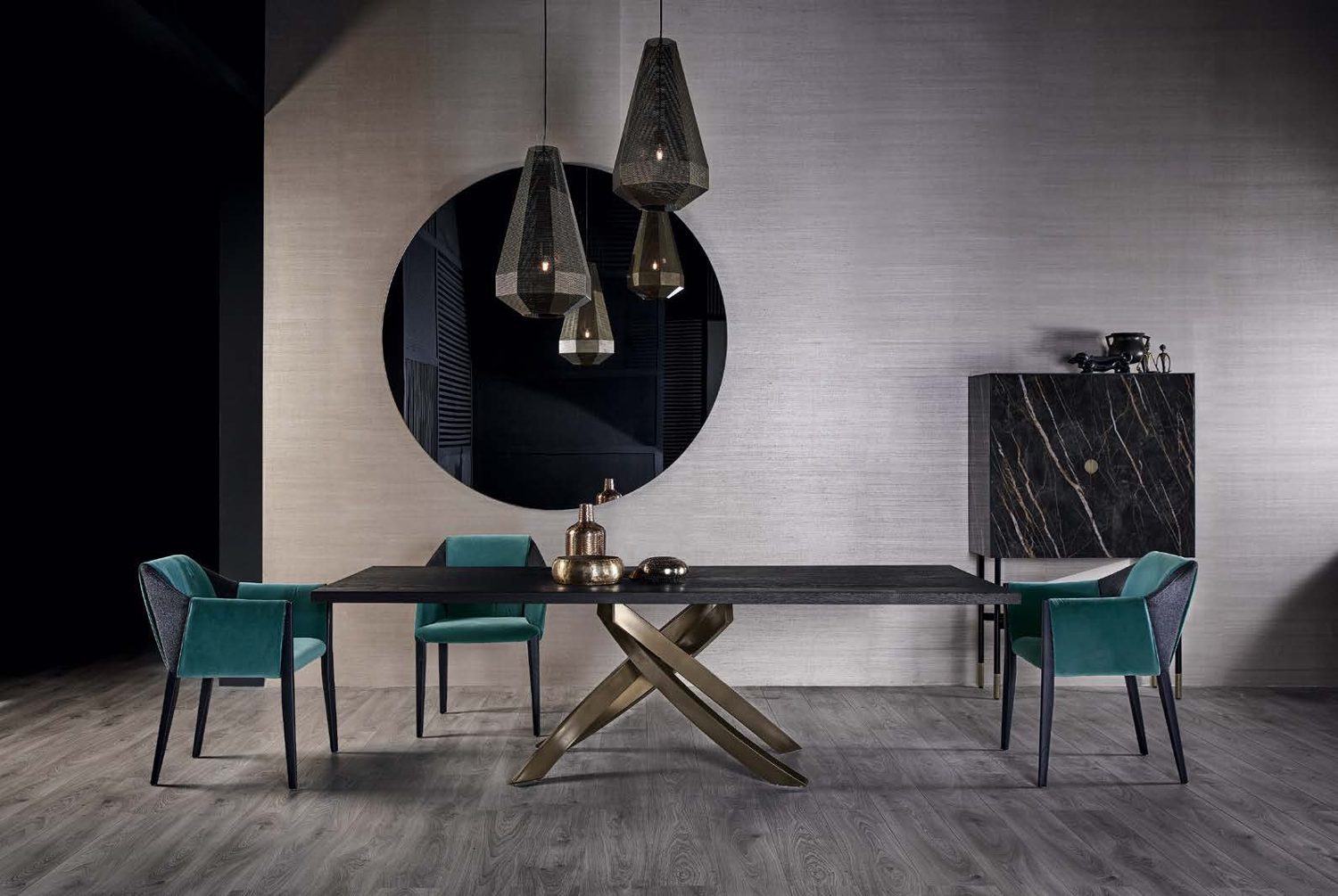
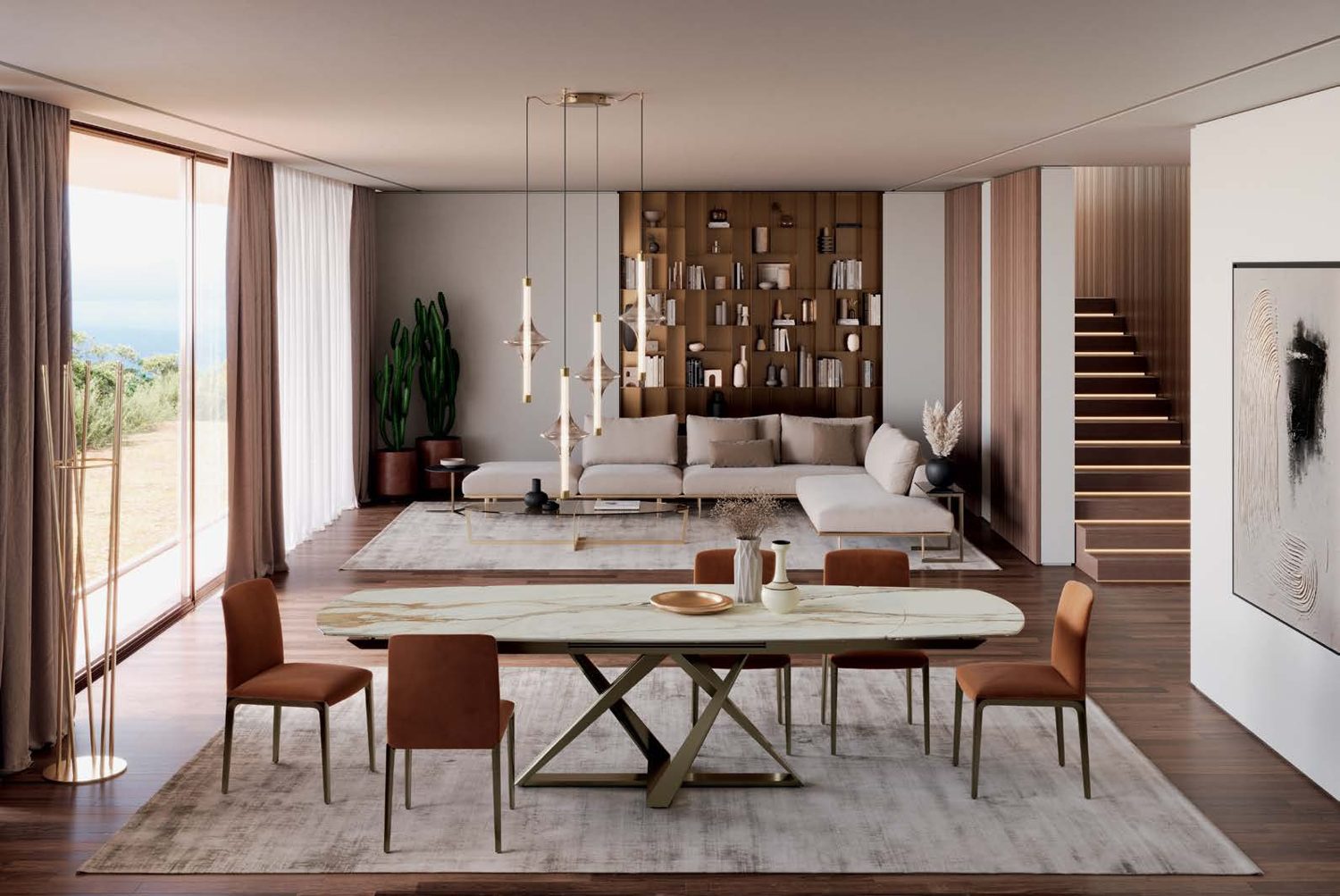
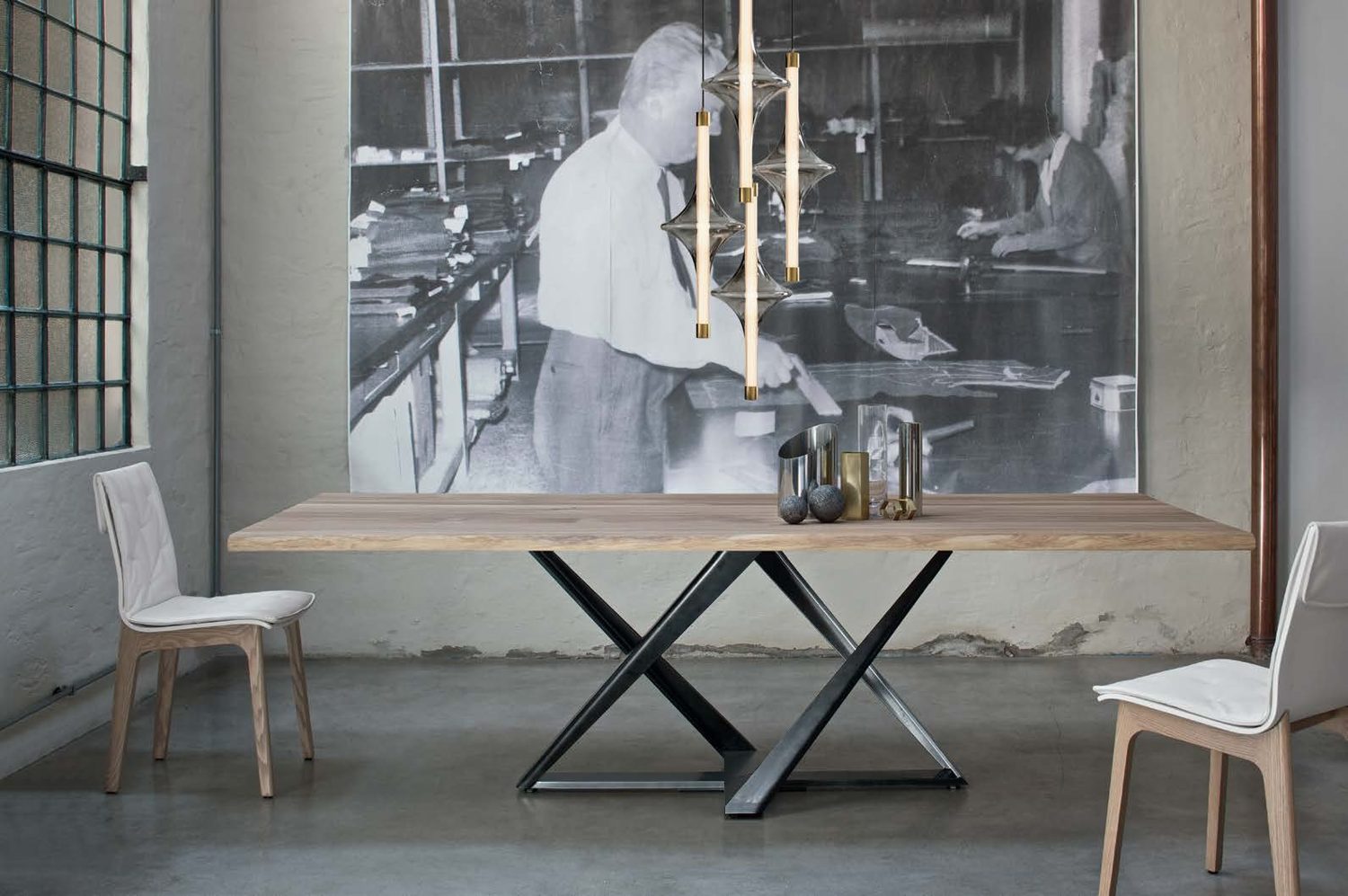
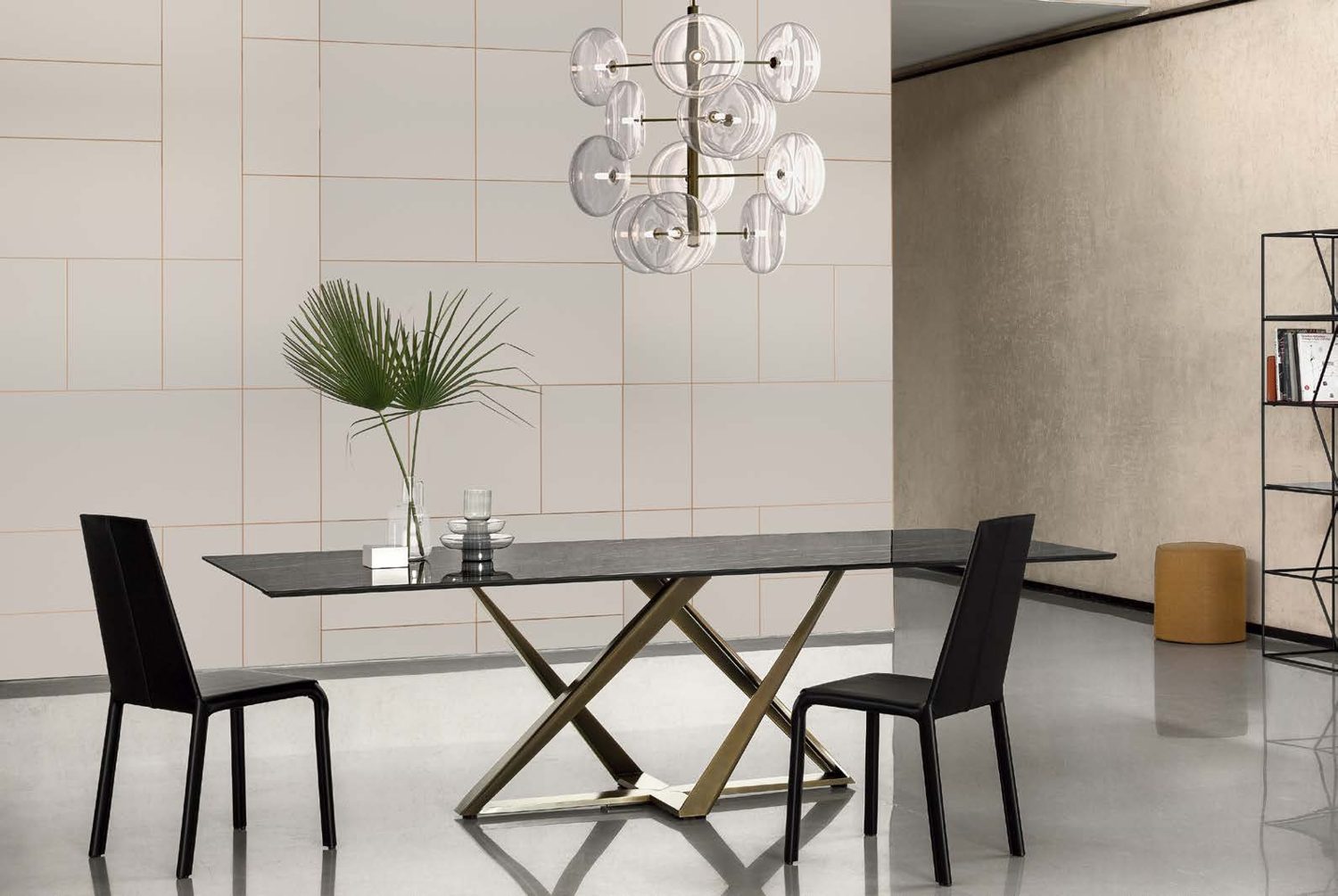
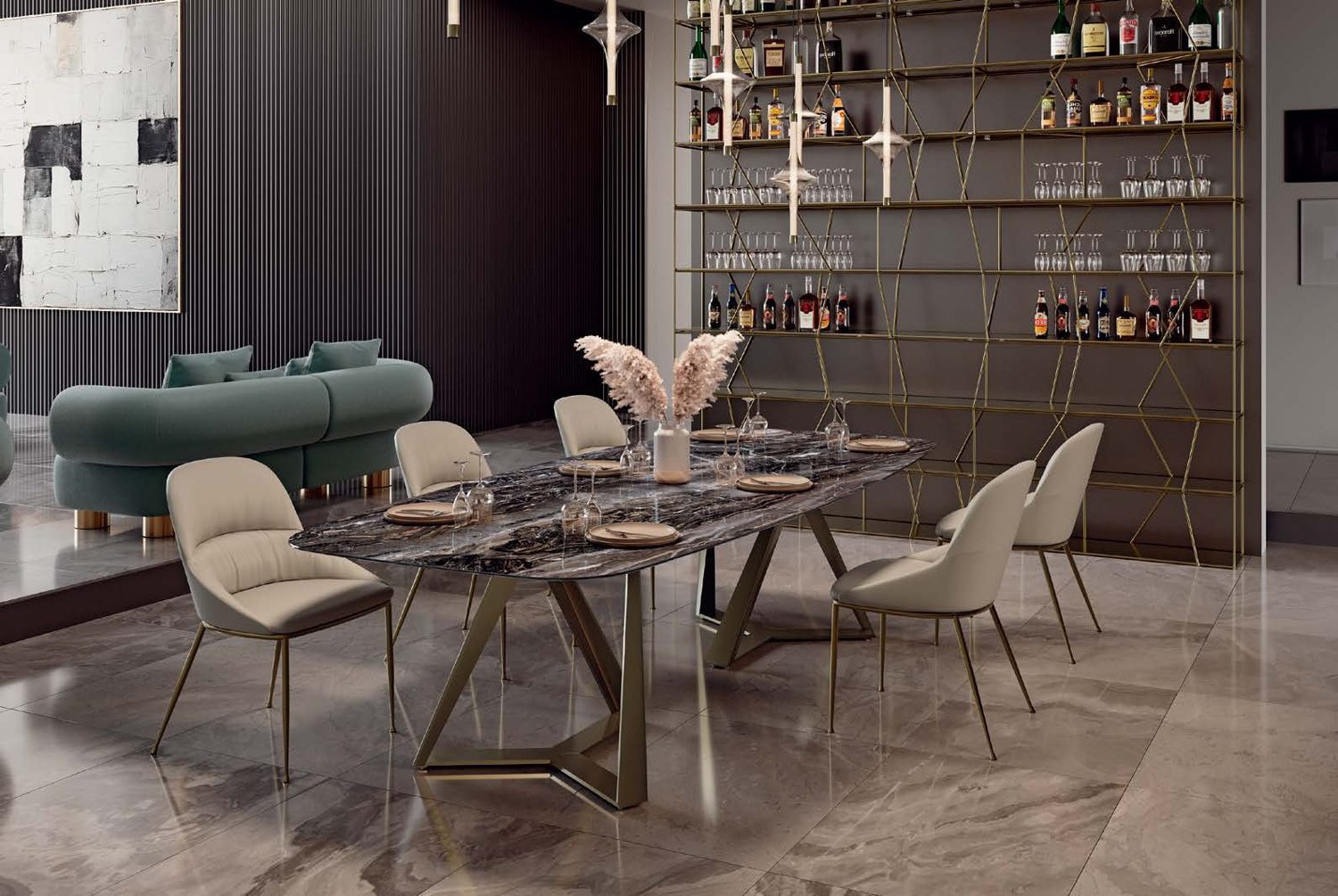
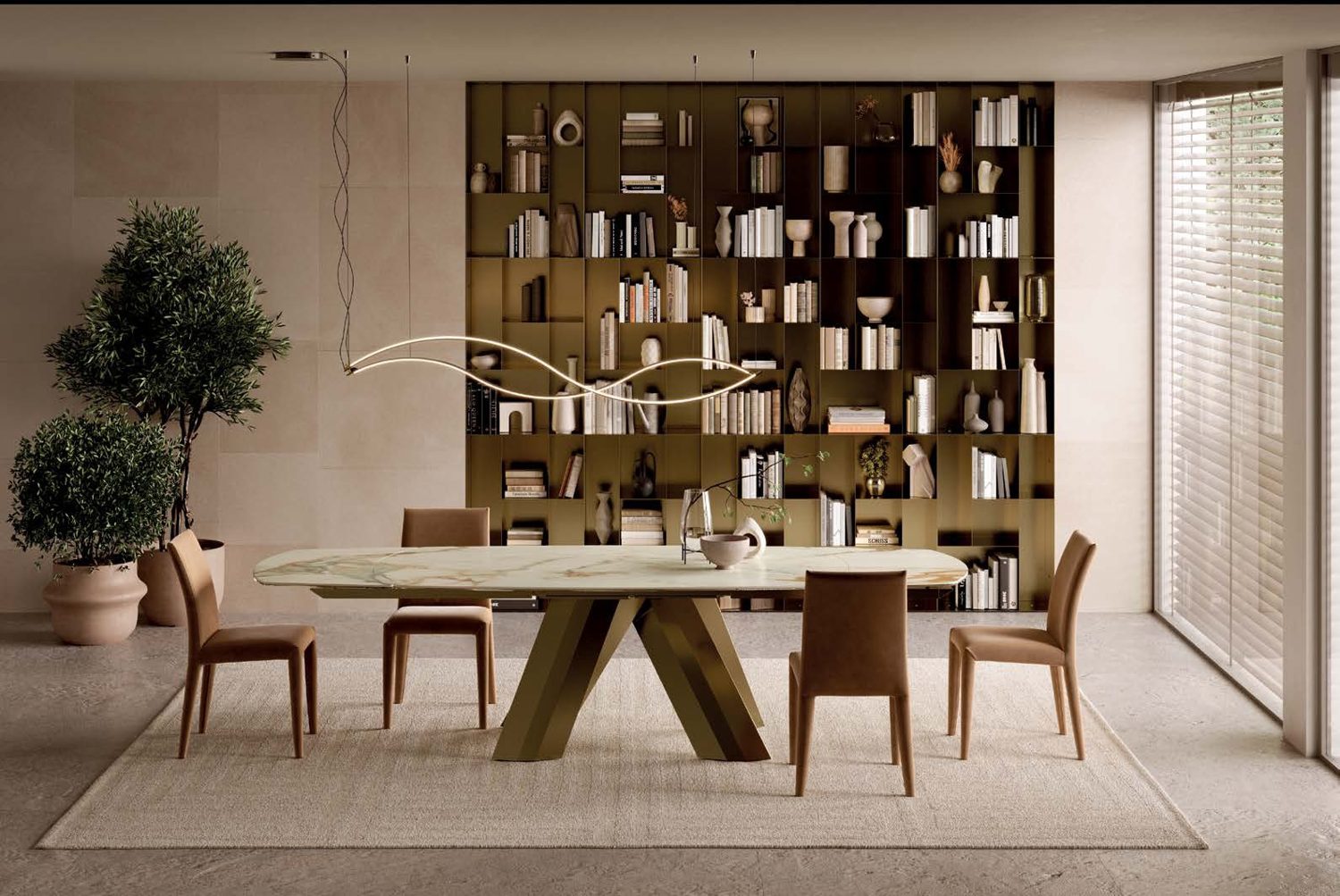
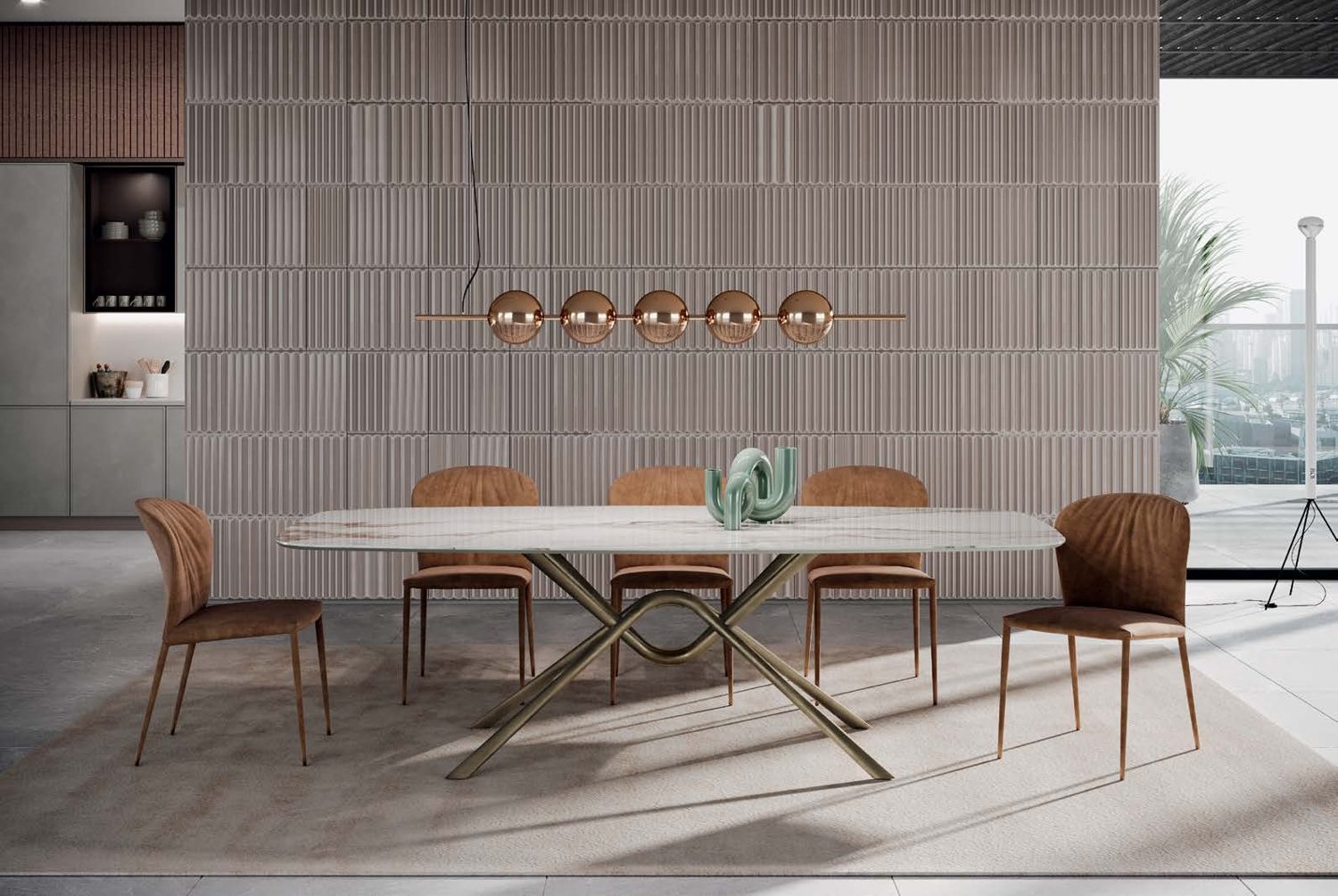
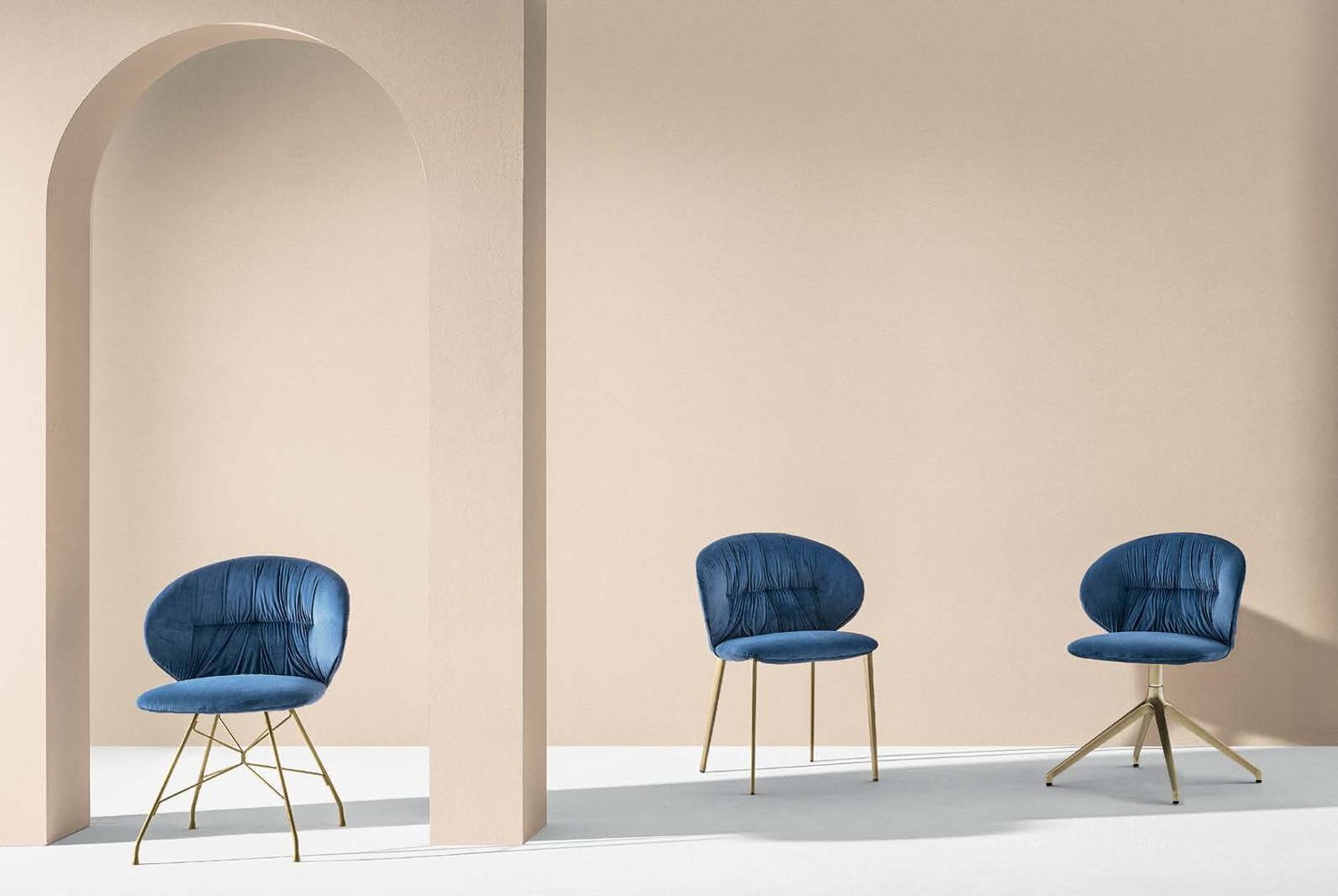

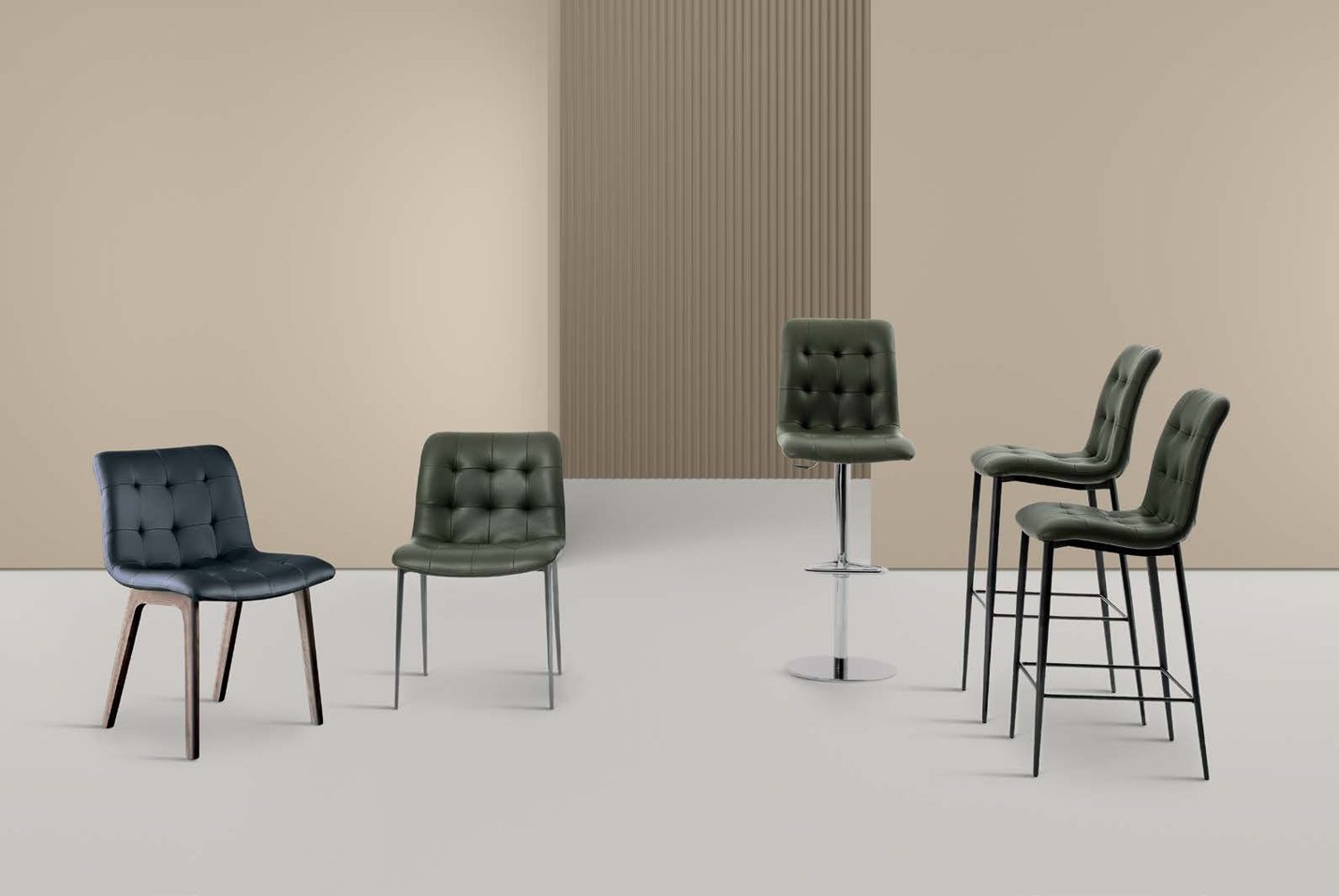
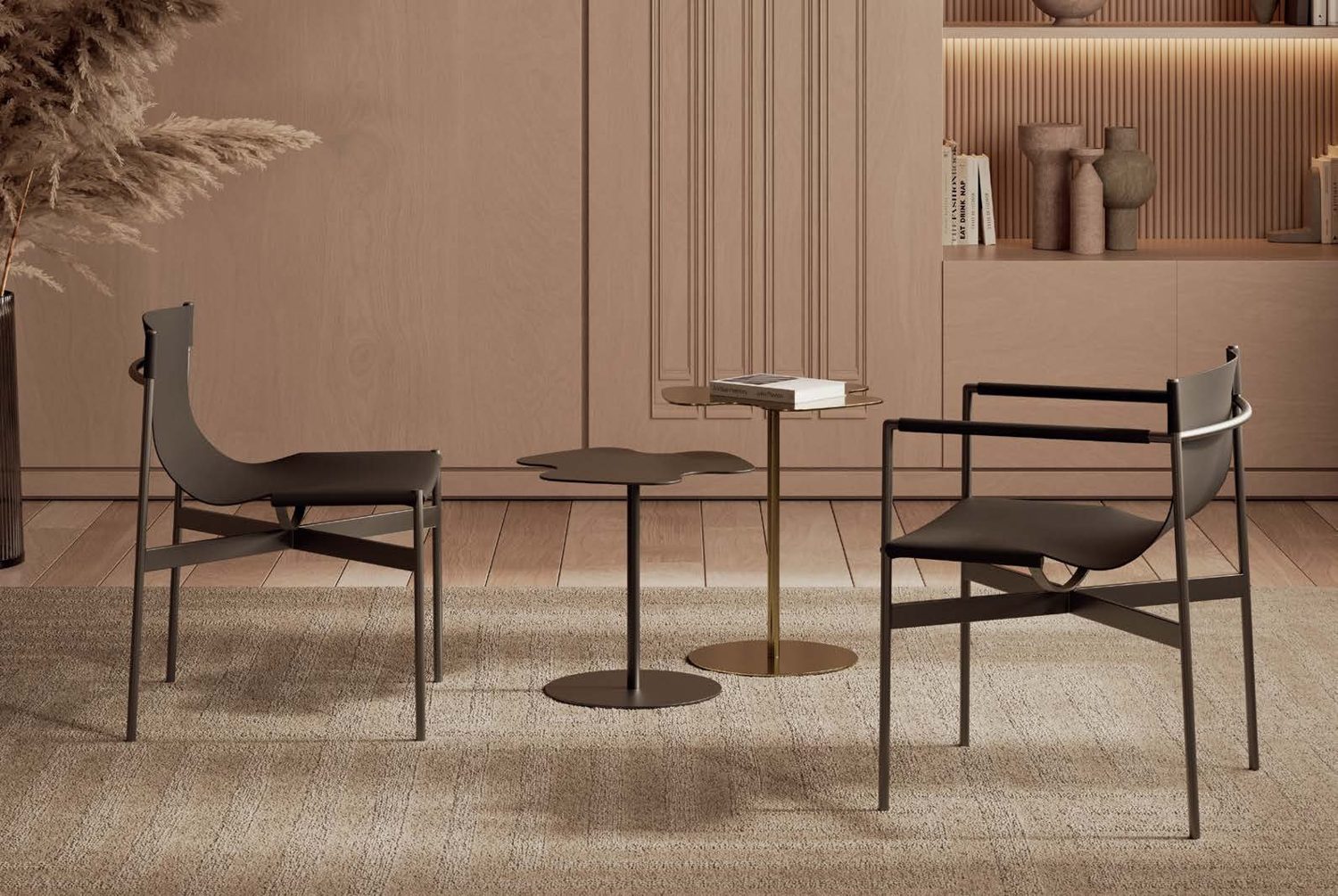
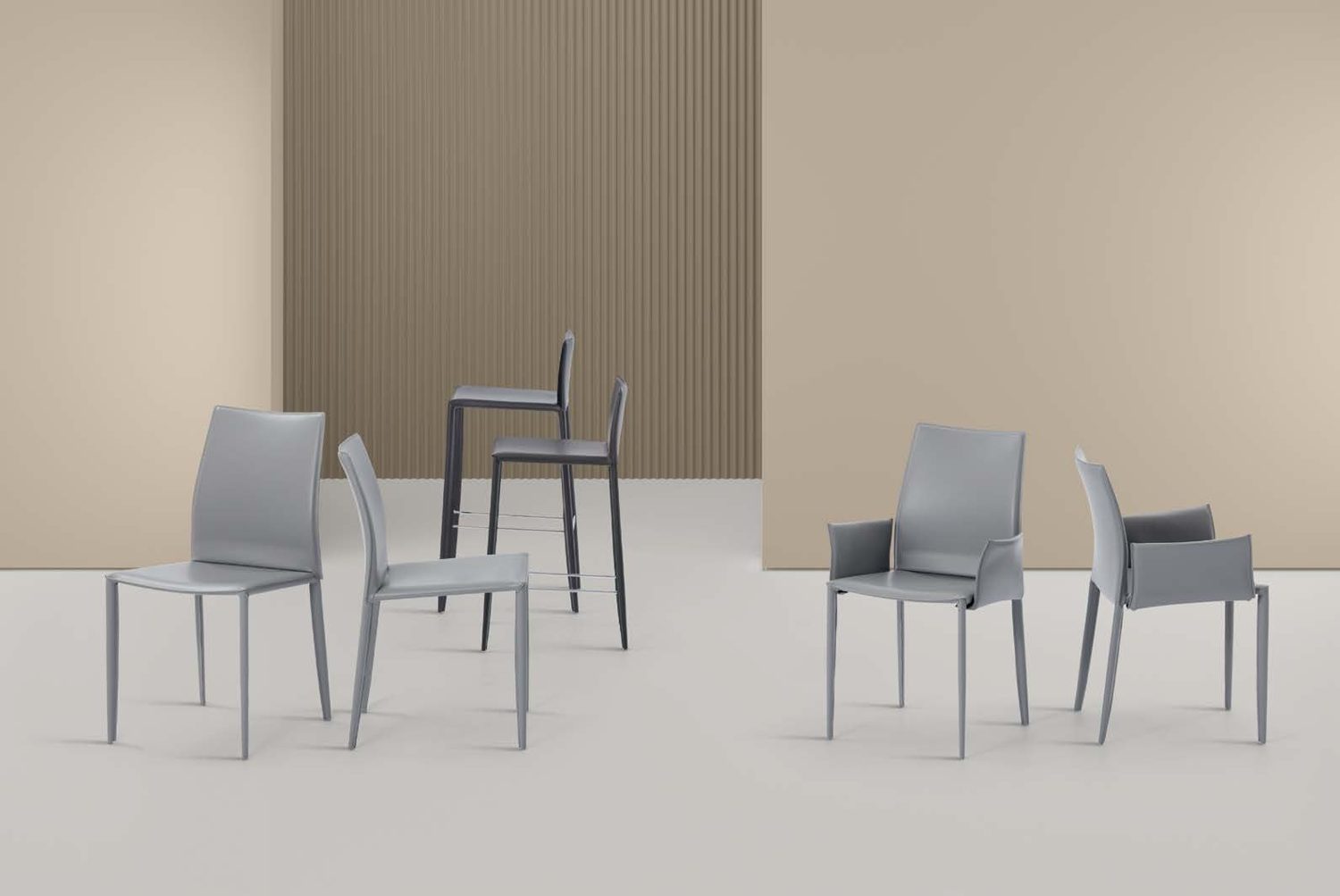
Bontempi: a factory from Le Marche with the most affordable chairs and coffee tables
Bontempi Casa is based in Camerano near Ancona, in the Marche region, on the other side of Italy from Cattelan and Tonin Casa, which work in the Veneto. According to dealer sources and the Archello catalogue, the company was founded in 1963 by the brothers Alessandro and Giancarlo Bontempi; in the early years it traded as Mobilfer and took the name Bontempi Casa in the early 1980s. The historic headquarters in Camerano has operated since the 1970s. The factory’s own website is brief about its history: an address, the name of the parent company B 4 Living Spa and a product list, so we give the founding details with reference to dealer sources rather than to the factory itself.
The range is split into tables, chairs, consoles, desks, living-room furniture, accessories and beds. The factory describes its approach in three phrases: architectural precision, research into materials, comfort. In the photos that is visible: Bontempi is calmer than Cattelan, with fewer dramatic bases and more restrained beige, brown and grey. It fits easily into an interior where the aim is not to impress guests, and it does not compete with art and lighting.
Today Bontempi is more than tables and chairs. According to one dealer source the group has six production sites, three production centres and about 450 employees, with around 4,000 customers in Italy and 2,500 abroad. We have not checked these figures against factory documents and quote them as an indication of scale, not as a fact for a contract. What matters more to a buyer: the company has long made beds, kitchens and sofas, so a dining room and a bedroom can be assembled in one style.
Oleg’s opinion. I call Bontempi the most rational choice of the three. The factory does not try to surprise with form, but its chairs and coffee tables are the cheapest and its wooden tables the cheapest too. If you want good Italian furniture without paying for a loud brand, start the search here. This is an opinion, not a quality test: we judge the quality of a particular model from a sample at the factory.
Chairs: the most telling category
Chairs are where the price adds up fastest. Around a dining table there are usually six or eight, so a difference per chair is multiplied. In our sample a Bontempi chair costs about €283 at Mebeltour prices, a Tonin Casa chair about €399 and a Cattelan chair about €457. Bontempi is about €174 below Cattelan per chair, roughly 38%.
On a set of eight that becomes noticeable: Bontempi about €2,264, Tonin Casa about €3,192, Cattelan about €3,656. Between the cheapest and the dearest option the gap is €1,392, comparable to the price of a good glass table.
What stands behind these prices, judging by the catalogues. Cattelan shows many chairs upholstered in leather and fabric, models on metal frames and swivel armchairs: part of the price is design and materials. Bontempi shows neat upholstered chairs in fabric and velvet, calm in shape. Tonin Casa offers classic chairs and armchairs, and its price sits between the other two.
Note that the price of a chair on a list almost always depends on the upholstery. Leather, faux leather, fabric and velvet are priced differently, while the colour inside one category usually costs the same. So when we compare factories we take the same upholstery category and compare only that, so that a cheap fabric chair is never set against an expensive leather one.
Our practical advice: chairs are the easiest category on which to save without a visible loss in the room. If the table is from Cattelan and the chairs from Bontempi, they will not clash, because a chair takes up less space in the composition than the table and the credenza. What we do not advise is combining a table and chairs with sharply different surface character, for example high-gloss lacquer with dense wool upholstery, without samples in hand.
| Factory | Per chair | Set of 6 | Set of 8 |
|---|---|---|---|
| Bontempi | 283 | 1,698 | 2,264 |
| Tonin Casa | 399 | 2,394 | 3,192 |
| Cattelan Italia | 457 | 2,742 | 3,656 |
Coffee tables: the biggest percentage gap
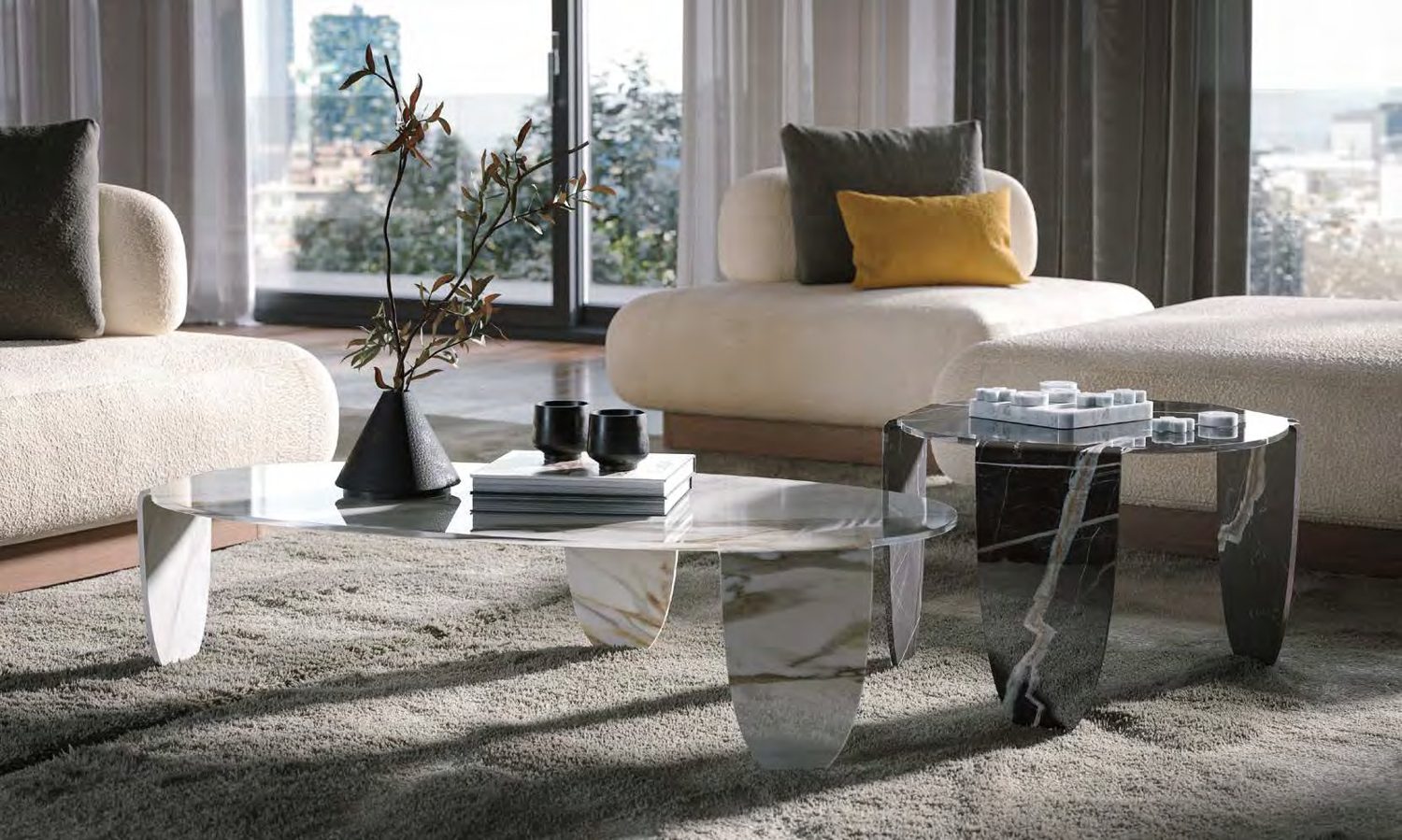
This is the category with the largest percentage difference. A Bontempi coffee table costs about €321, a Tonin Casa one about €474 and a Cattelan one about €542. Bontempi is about 41% below Cattelan, the biggest gap in any of our categories.
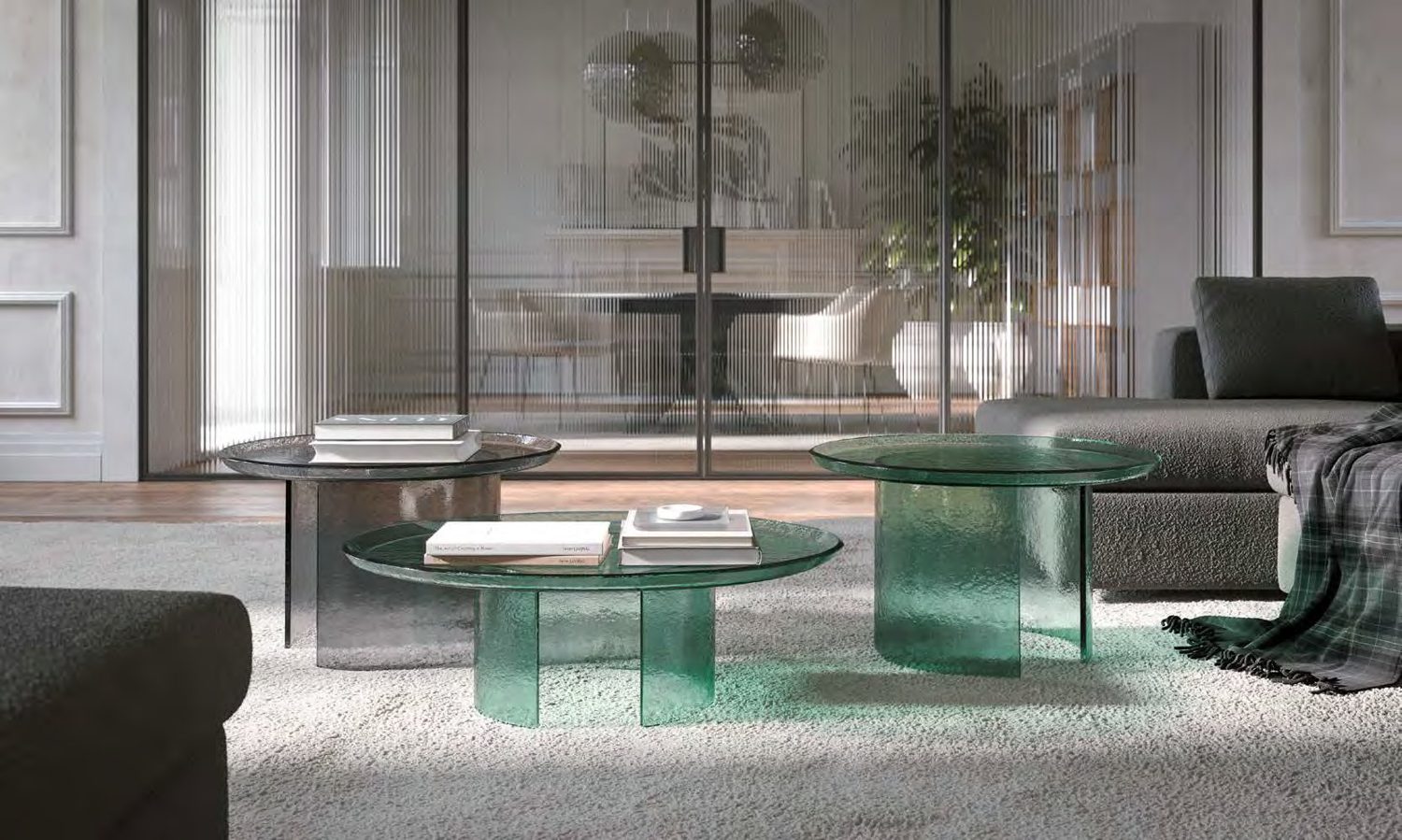
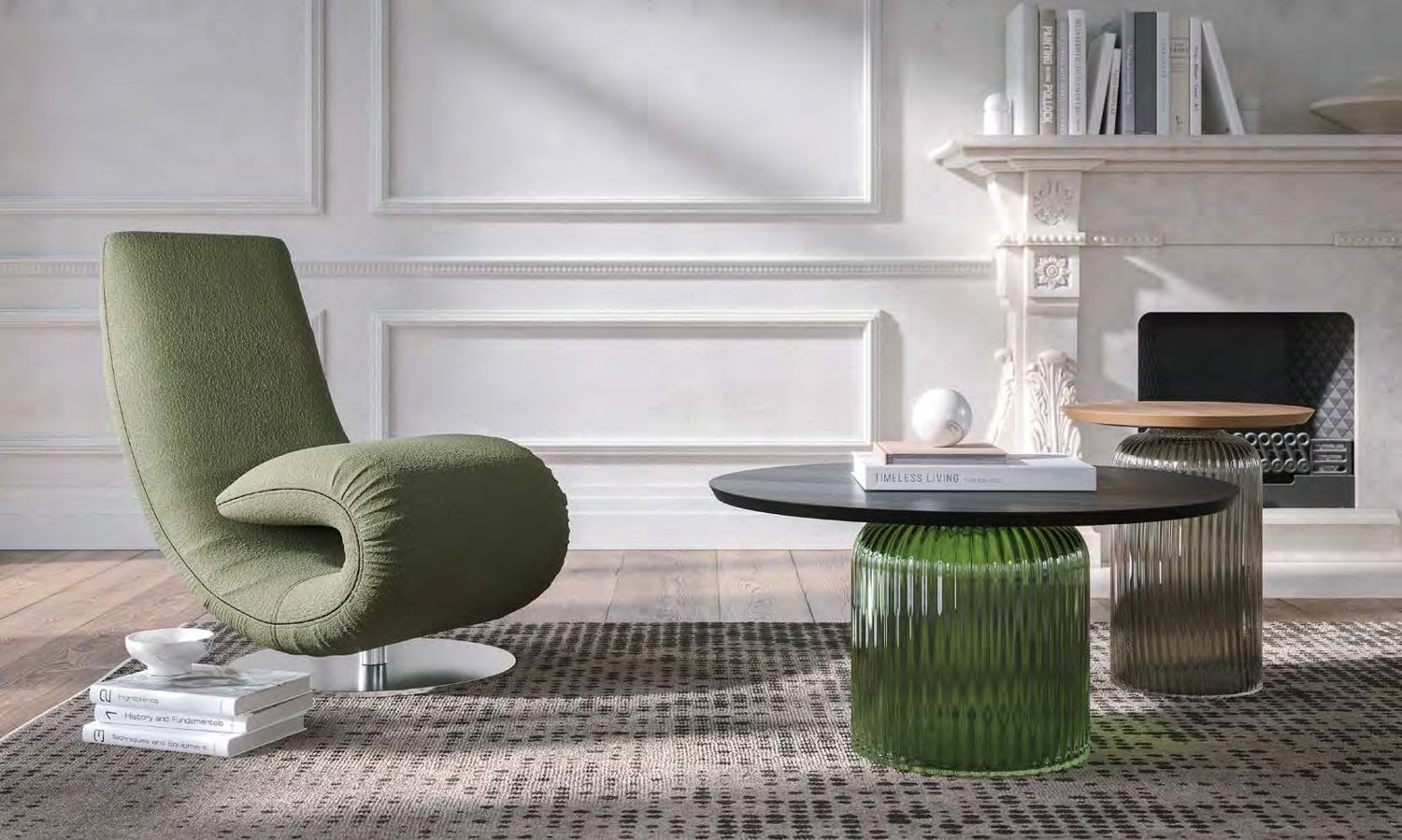
The explanation is simple: a coffee table is a small item with a high share of material and finish in its price. If on a dining table most of the cost is the size of the top, on a coffee table the price comes from the shape, the base and the surface. In the catalogue photos Tonin Casa has many expressive shapes here: glass tables with coloured bases, sets of tables of different heights, sculptural pieces for a fireplace. Bontempi shows more restrained models. We do not claim that shape alone sets the price, but the coincidence is visible.
Another factor is that a coffee table is rarely bought alone: it is chosen for a sofa, and against the price of the sofa a few hundred euros hardly show. So for many clients the coffee table is the place to allow a designer accent. We suggest choosing it last, when the sofa and rug are settled, and choosing the factory by the accent the room needs rather than by price.
| Factory | Price | Difference vs Cattelan |
|---|---|---|
| Bontempi | 321 | −41% |
| Tonin Casa | 474 | −13% |
| Cattelan Italia | 542 | — |
What Bontempi’s chairs and coffee tables have in common
In both categories Bontempi is the cheapest factory, and that is no accident. It bets on calm, universal design meant to sit alongside tables and sofas from other makers. For us as a purchasing agent such furniture is convenient: it is easier to combine with other factories and easier to agree with an interior designer.
To sum up: Bontempi wins on chairs and coffee tables on price, not on special expressiveness. If you have already chosen an expressive table, take Bontempi chairs with it and you save without hurting the room. If the table is calm, expressive Cattelan chairs can supply the accent, and then the extra €174 per chair is justified.
Tonin Casa — 51 photos
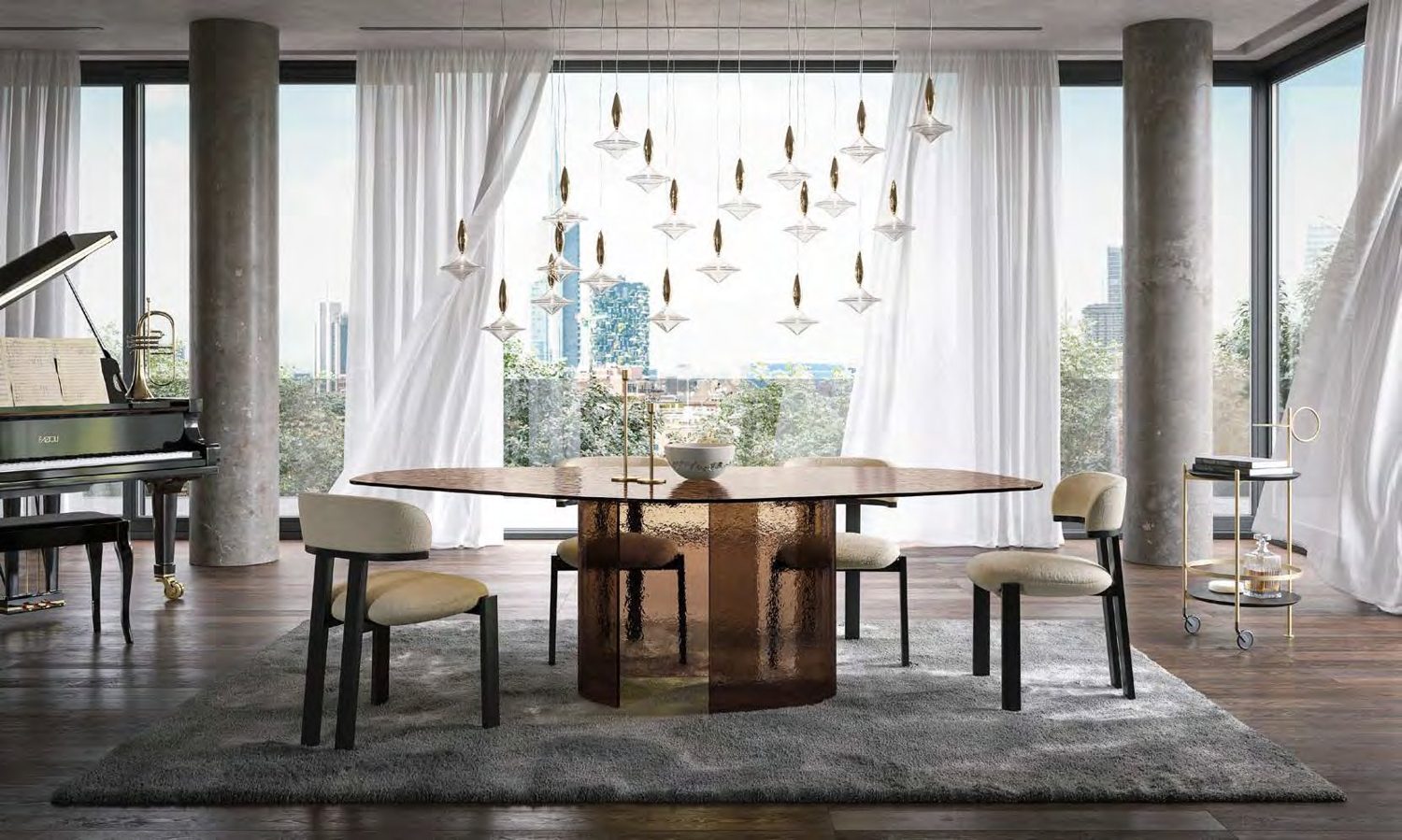

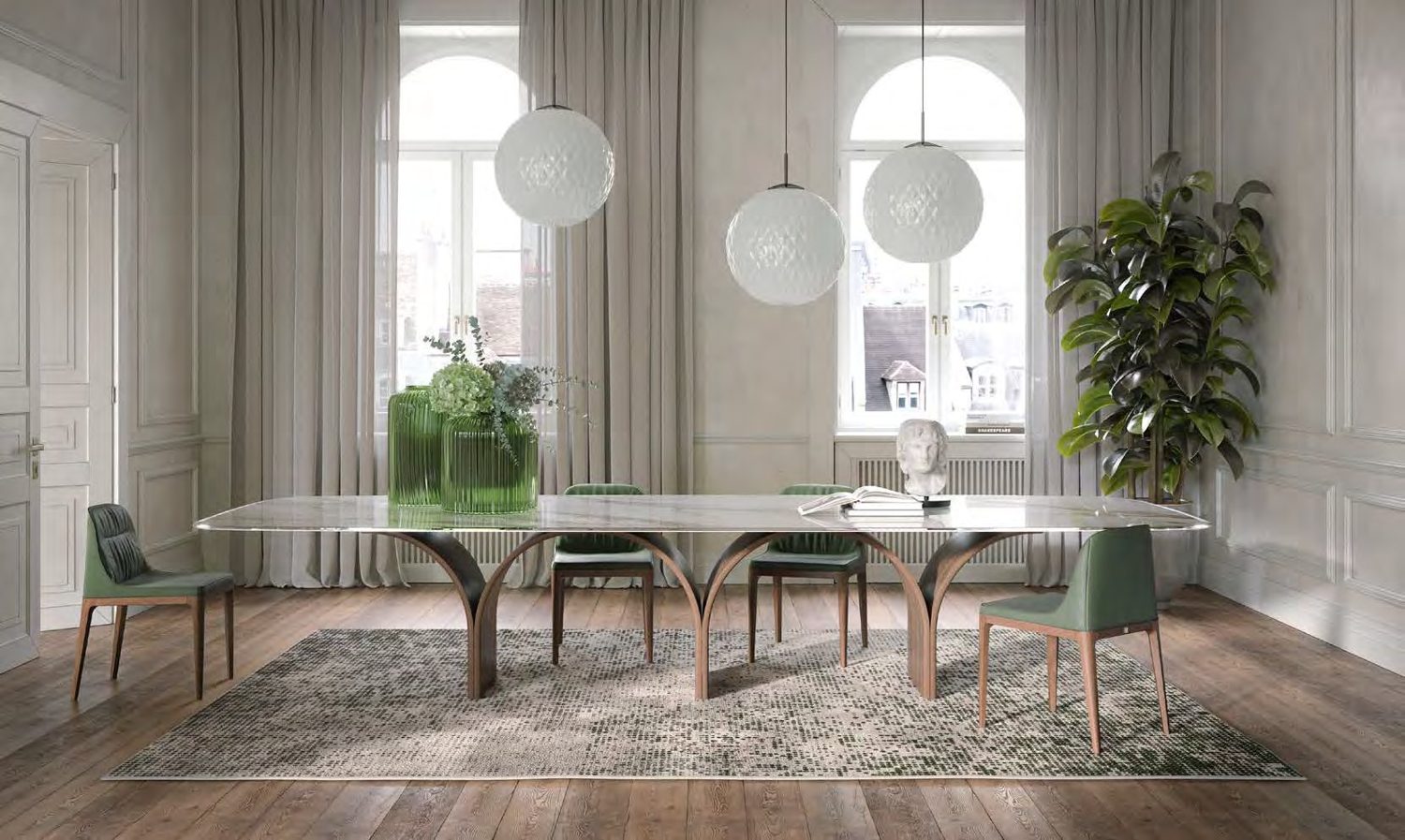
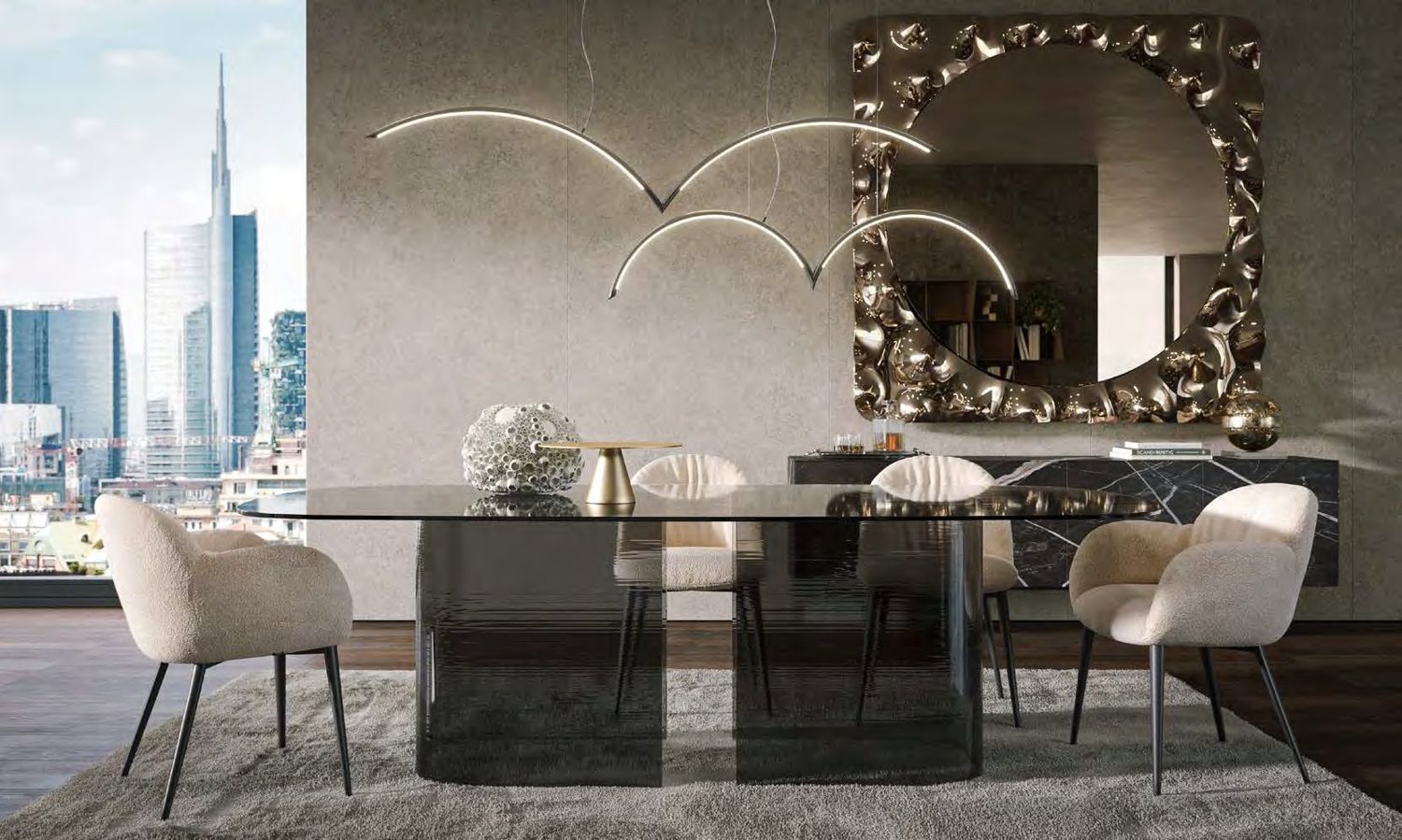
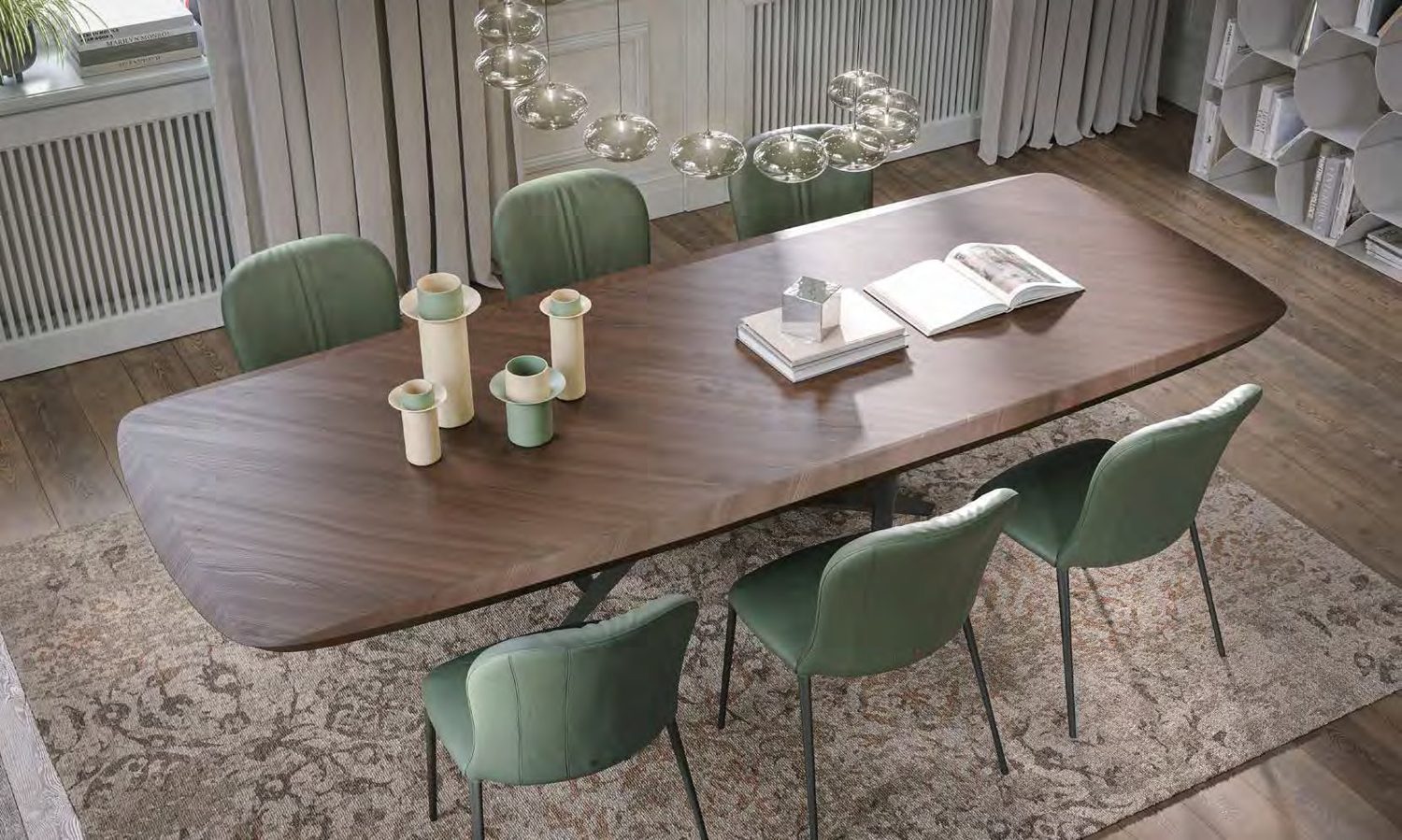
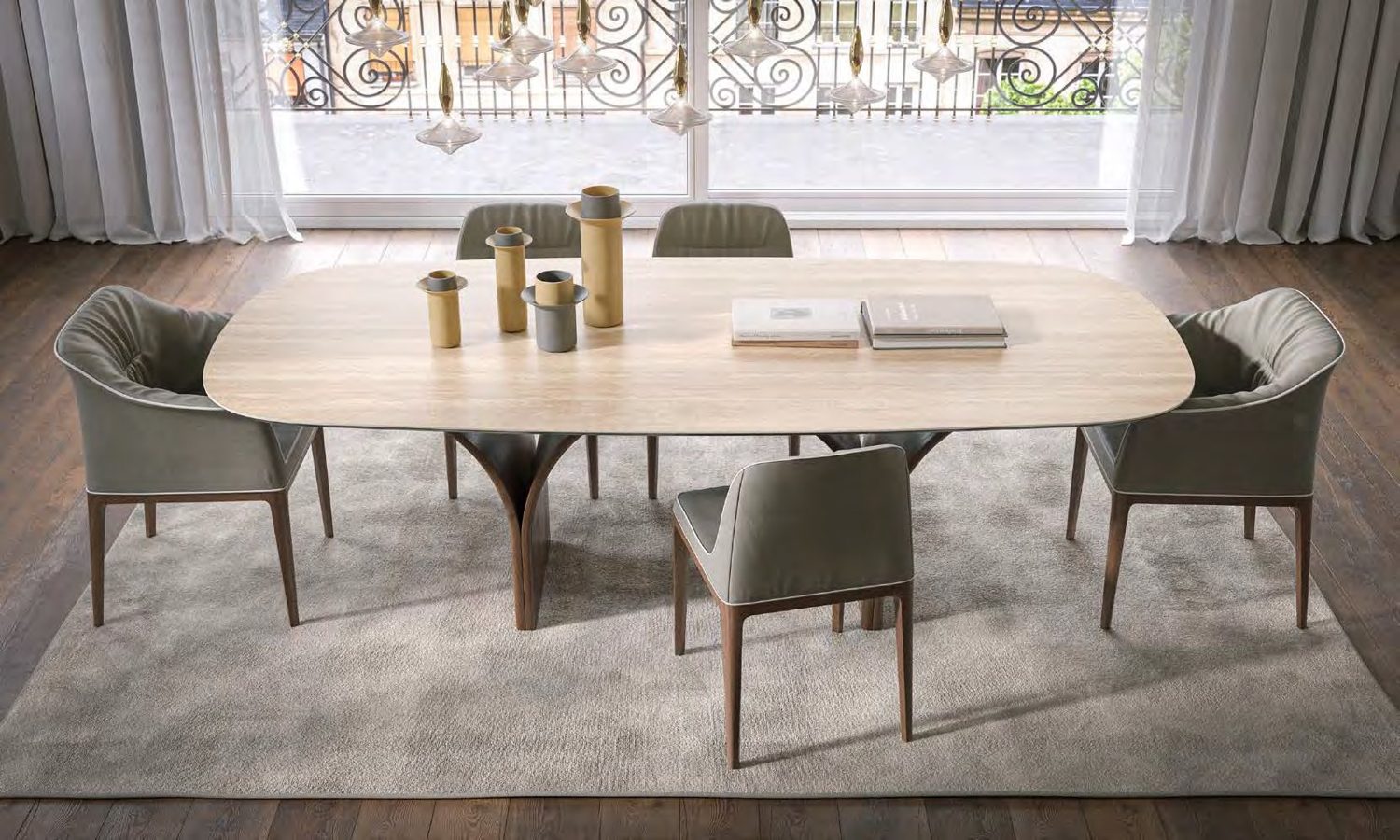
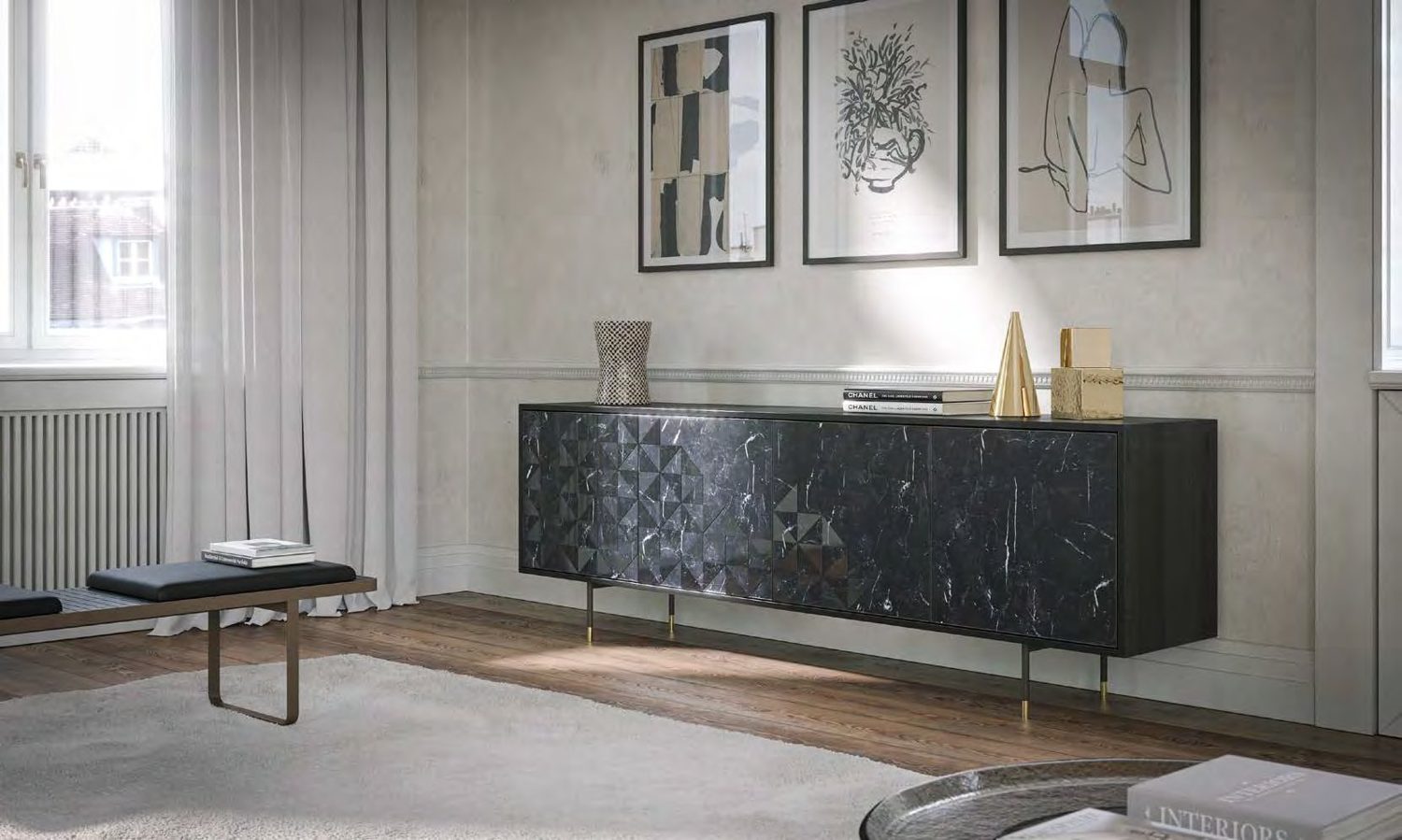
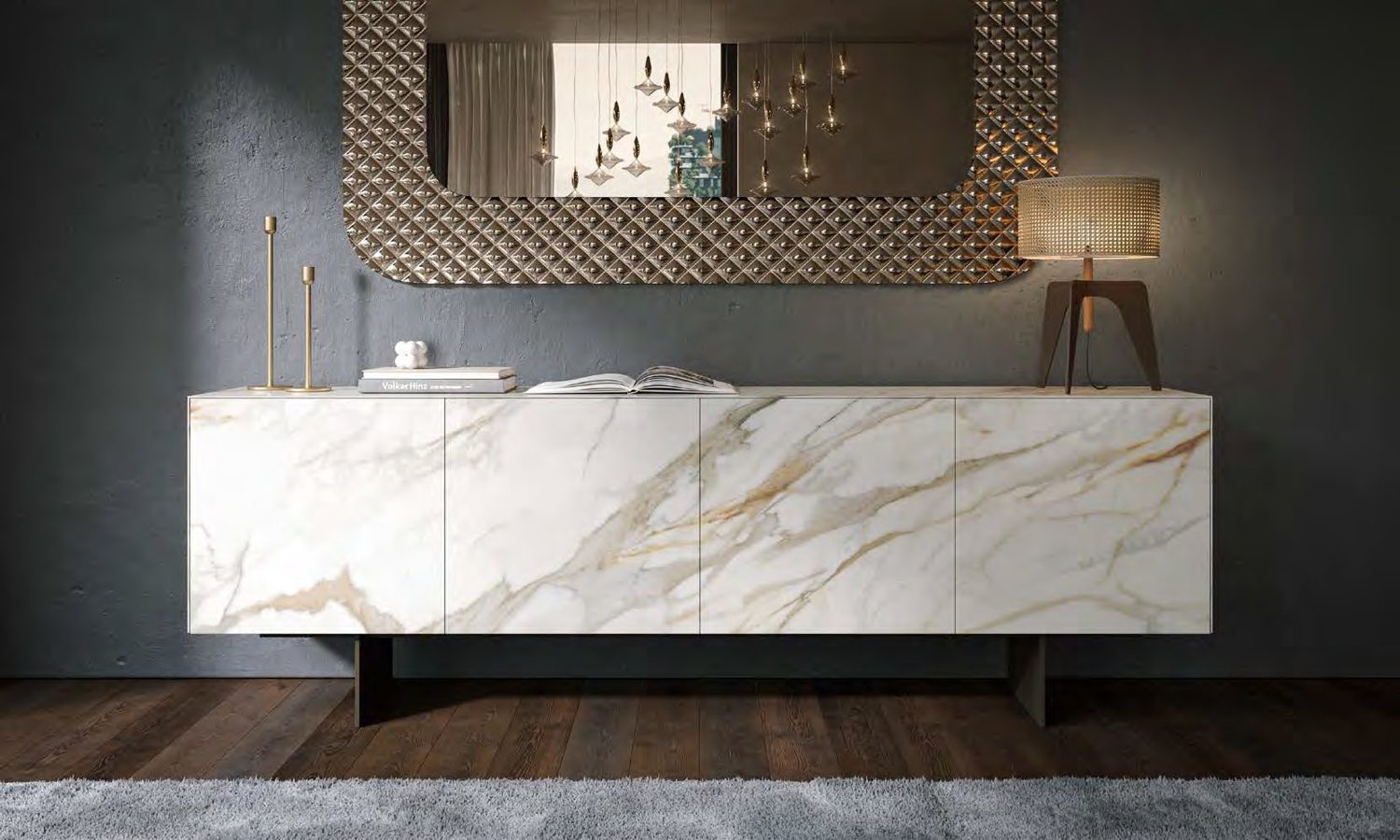
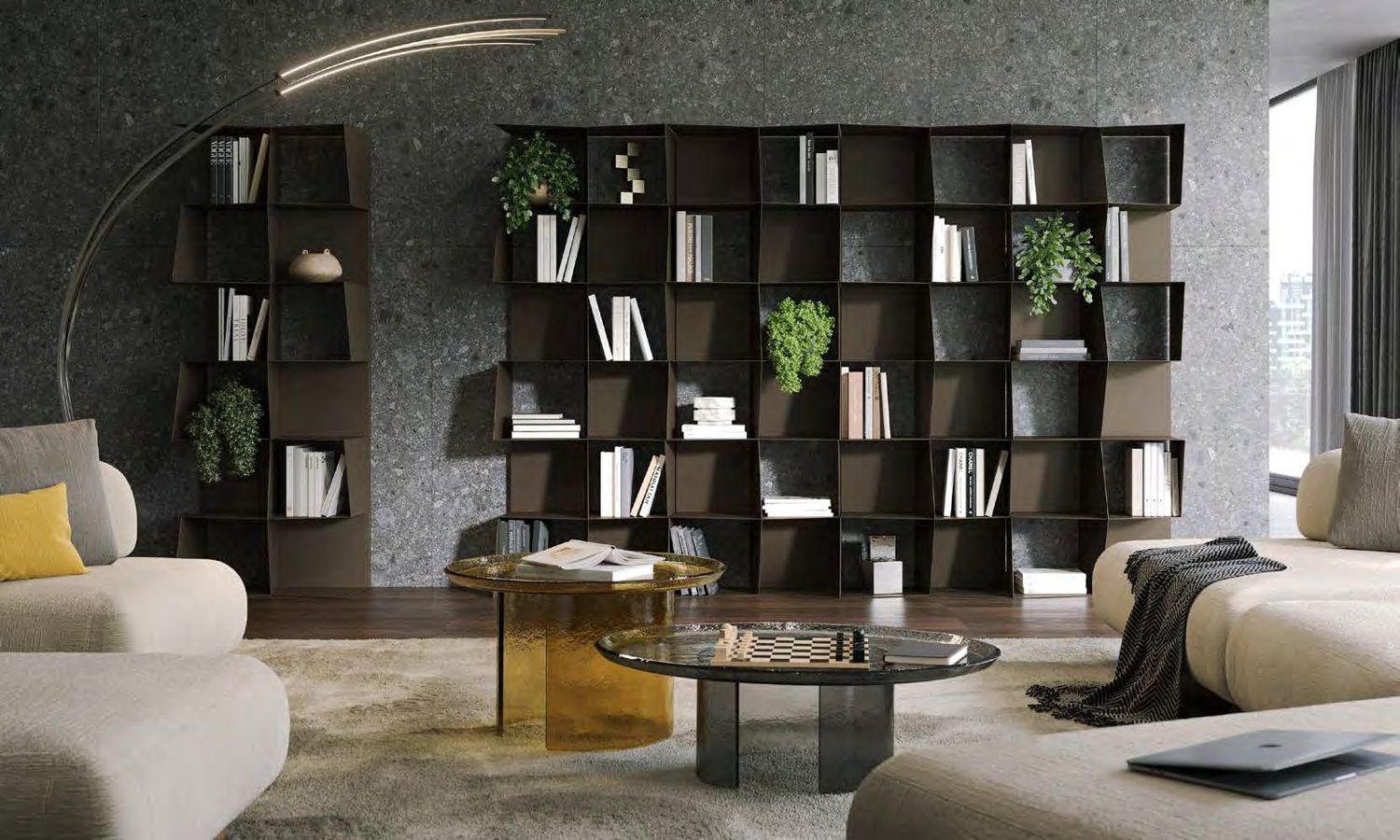
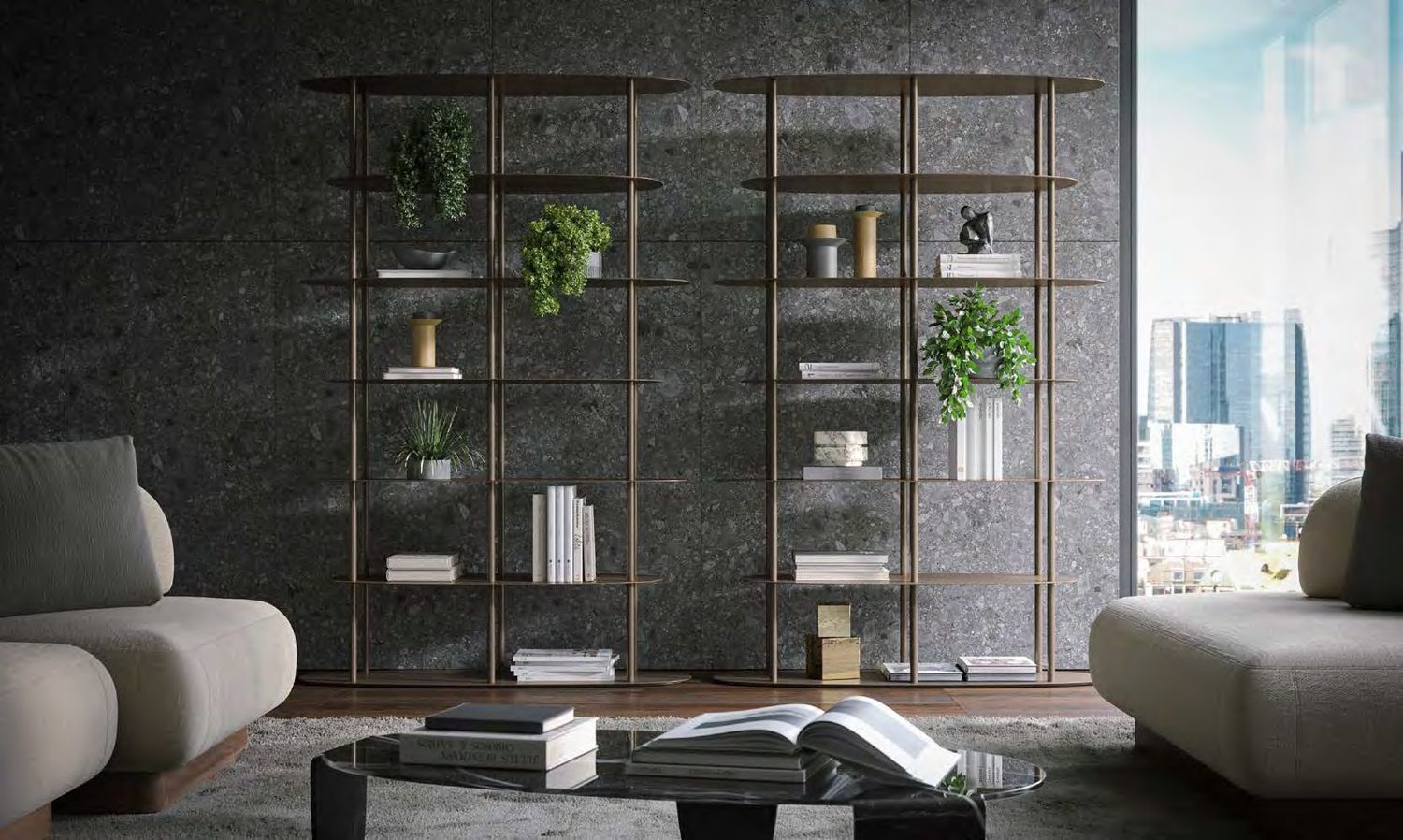
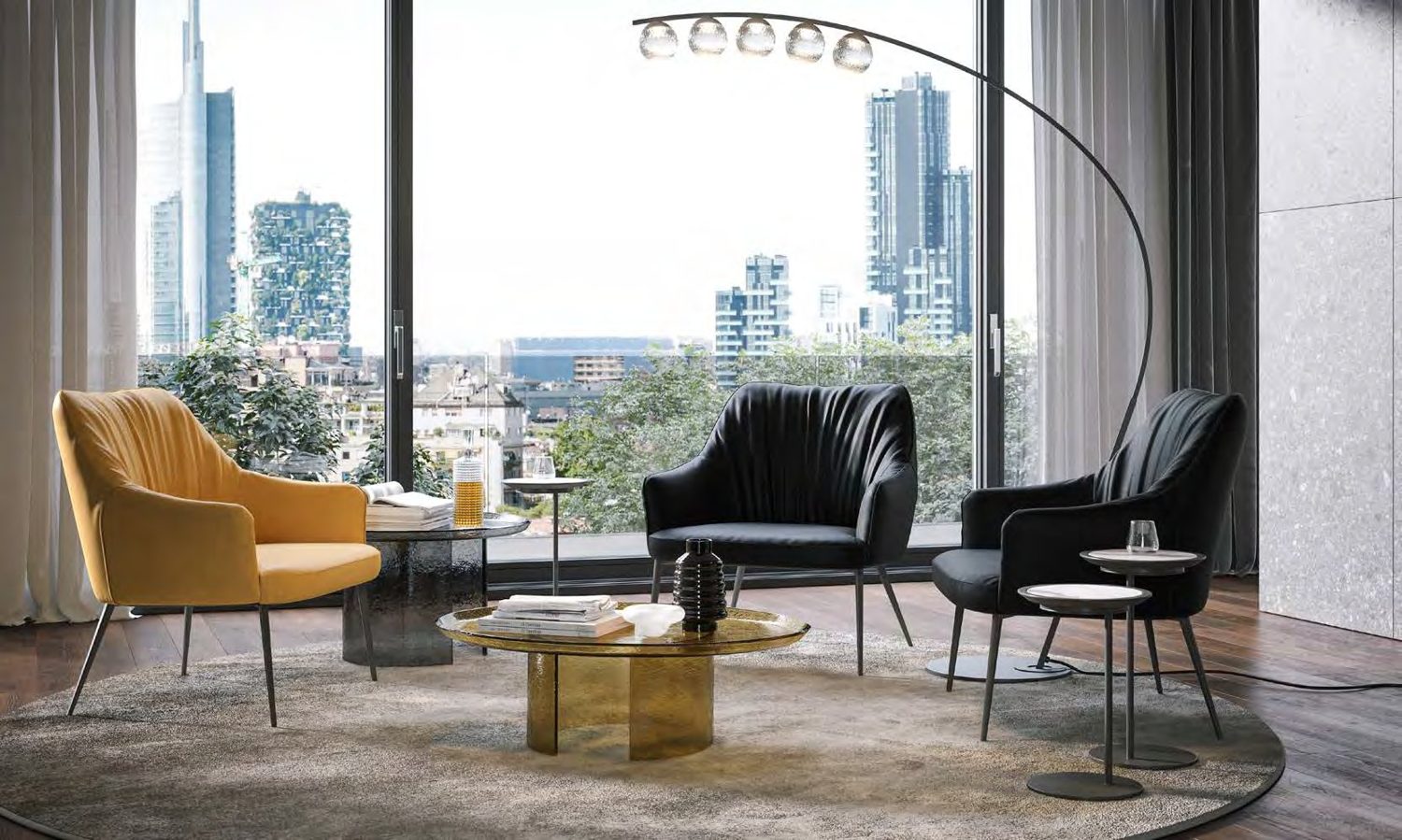
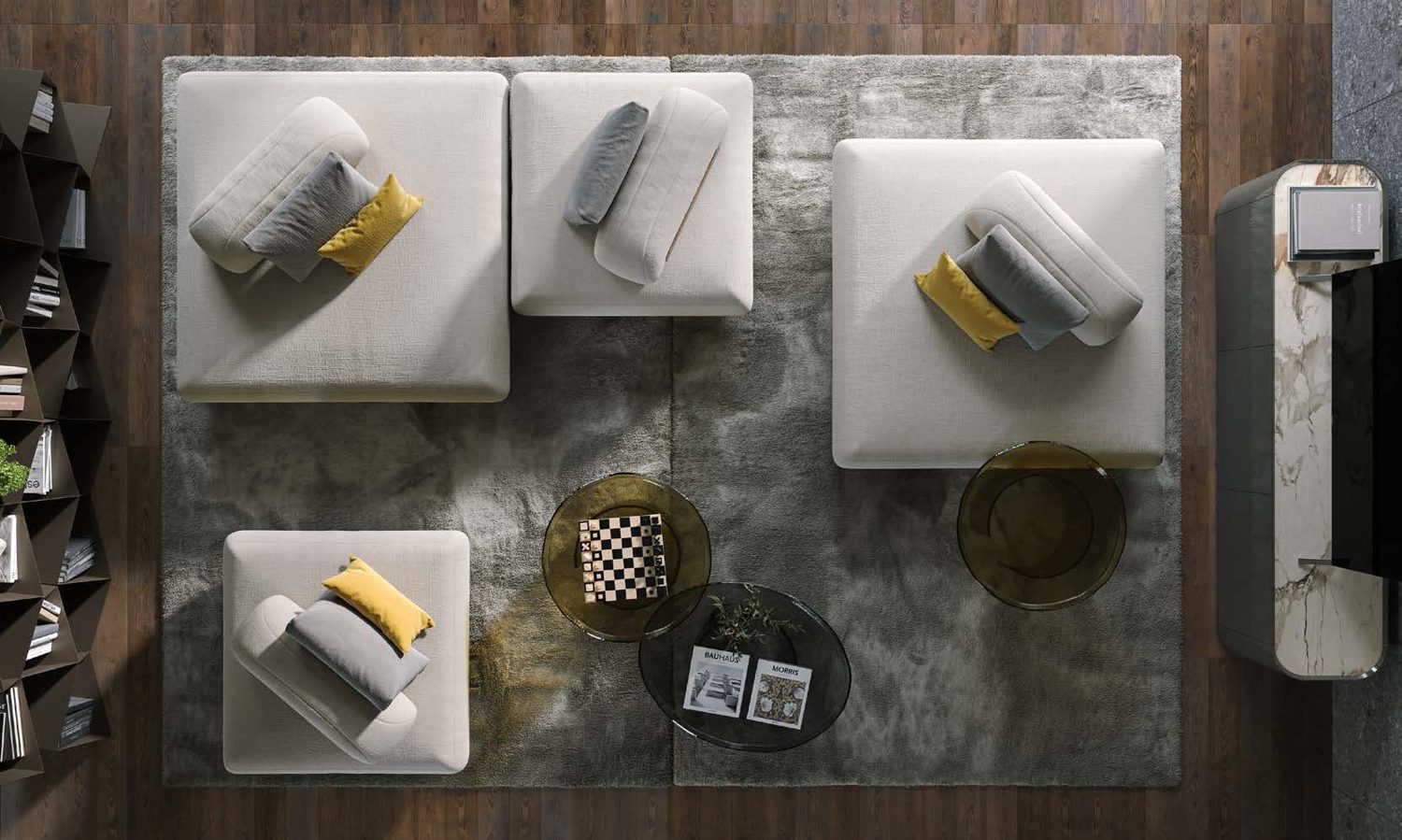
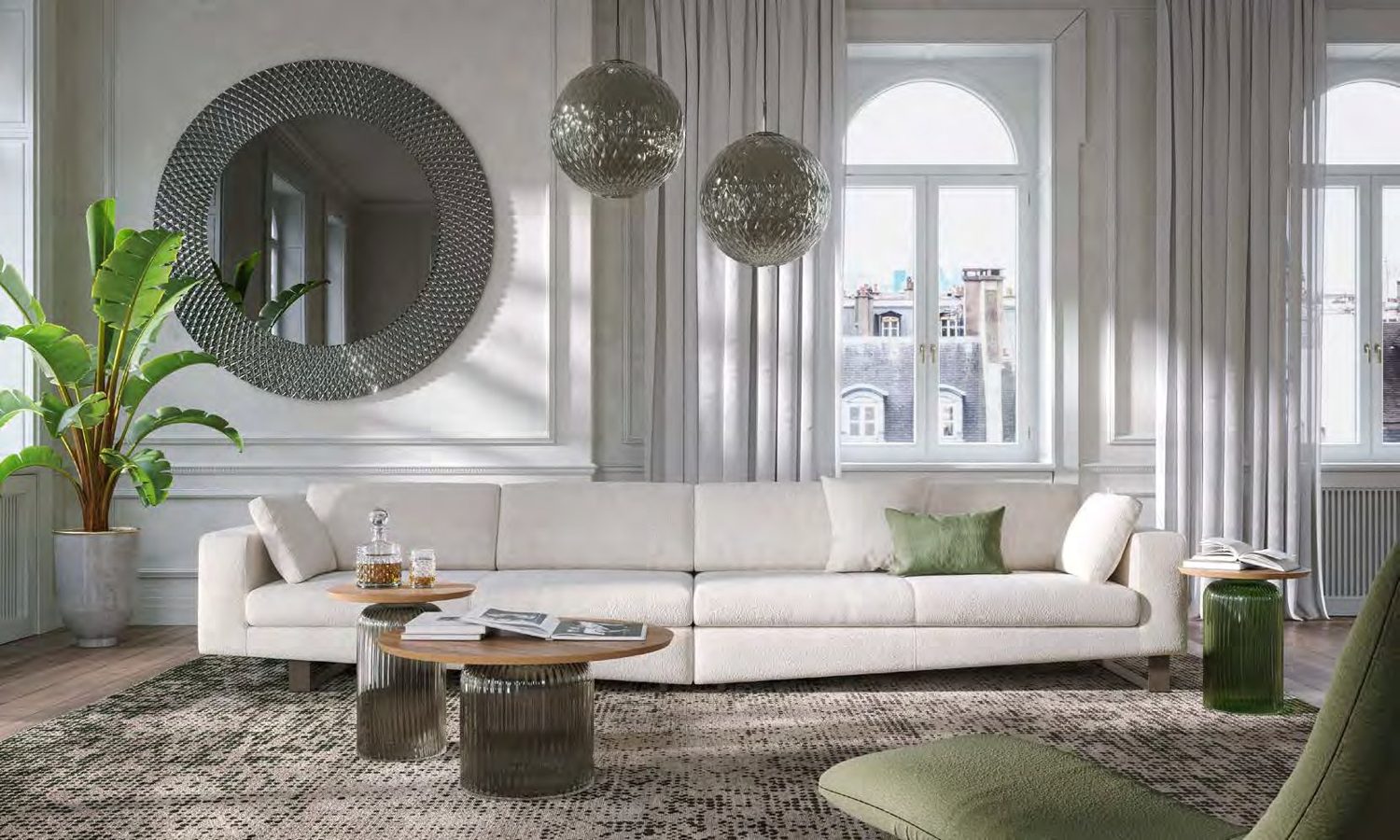
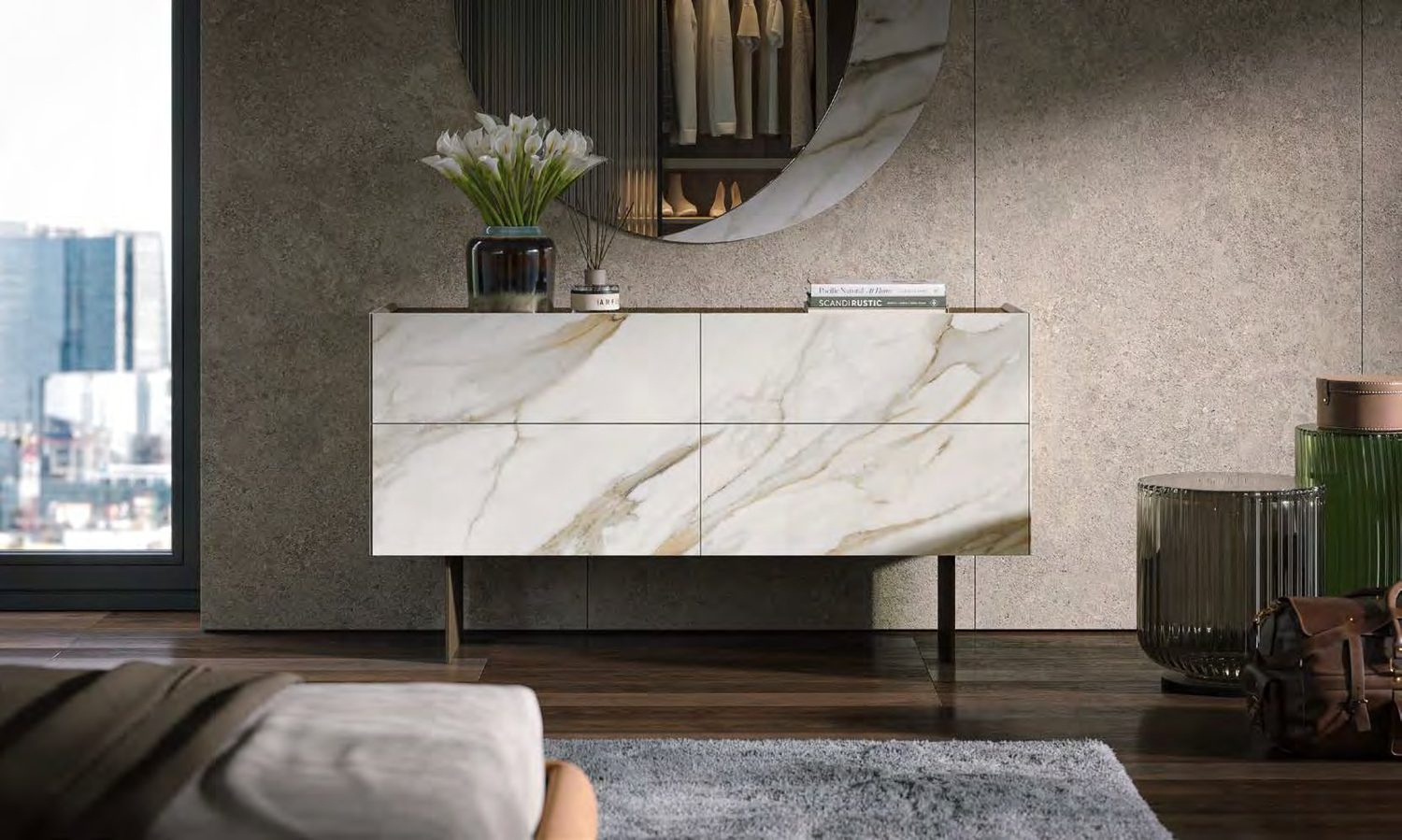
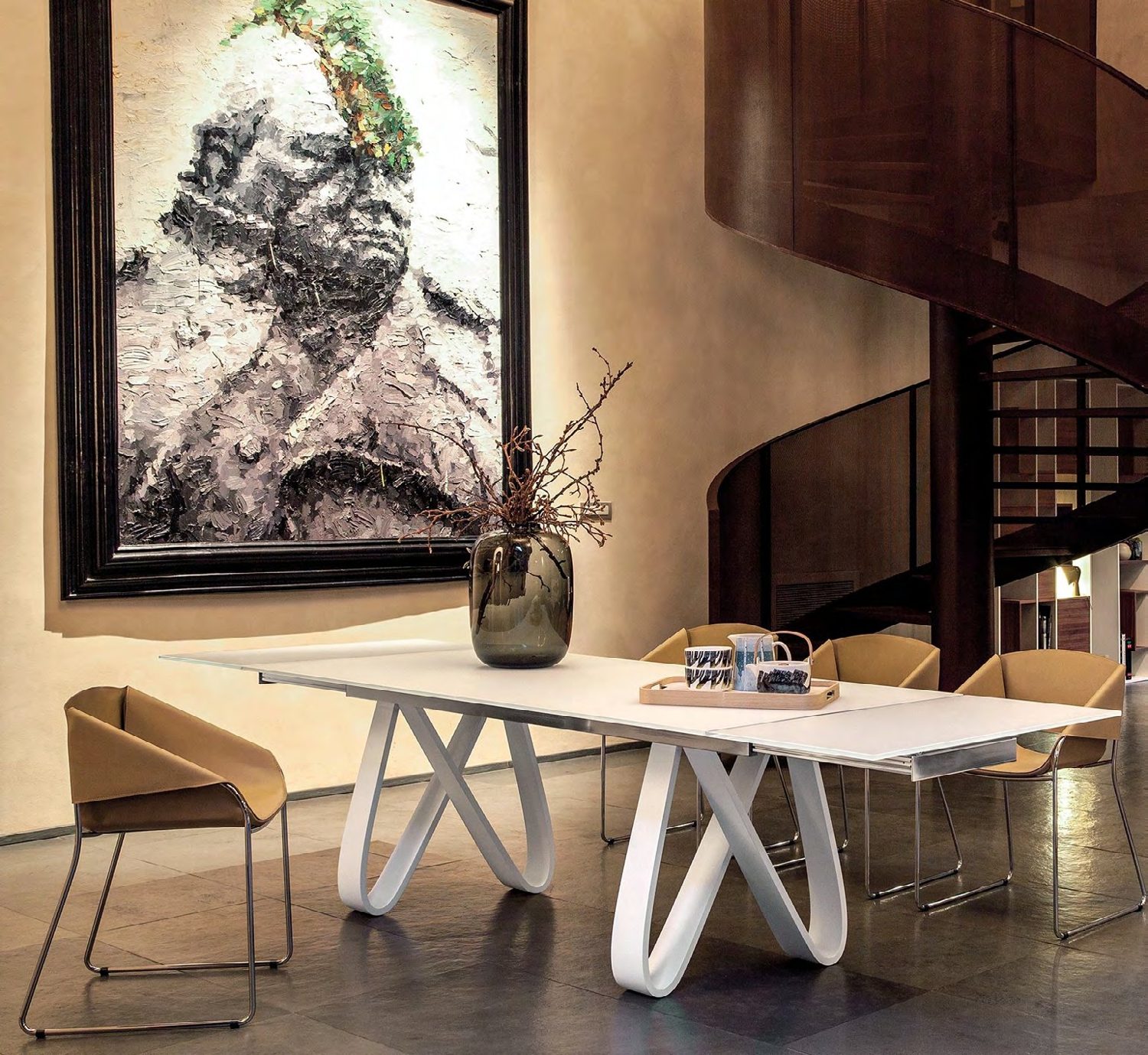
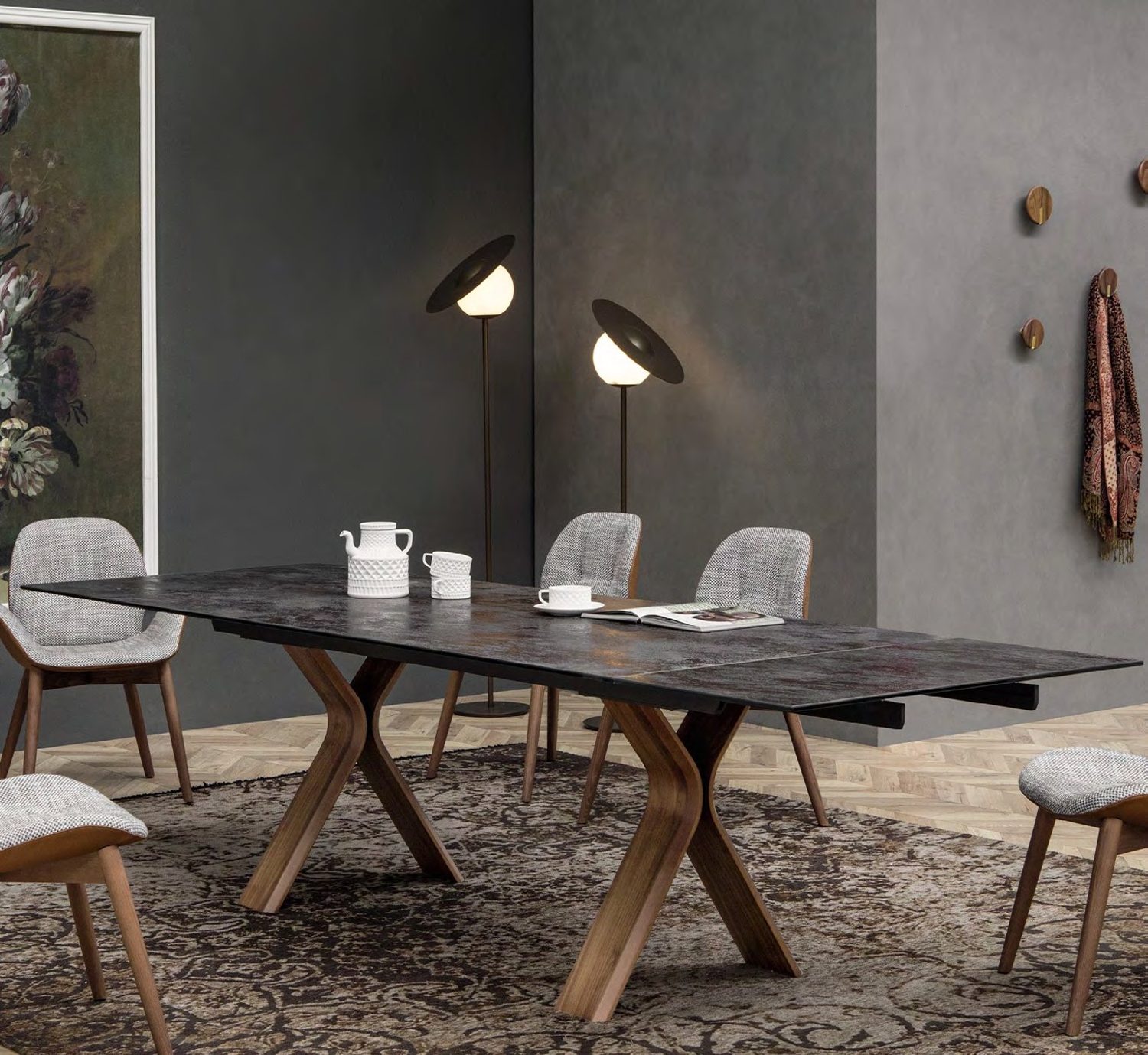
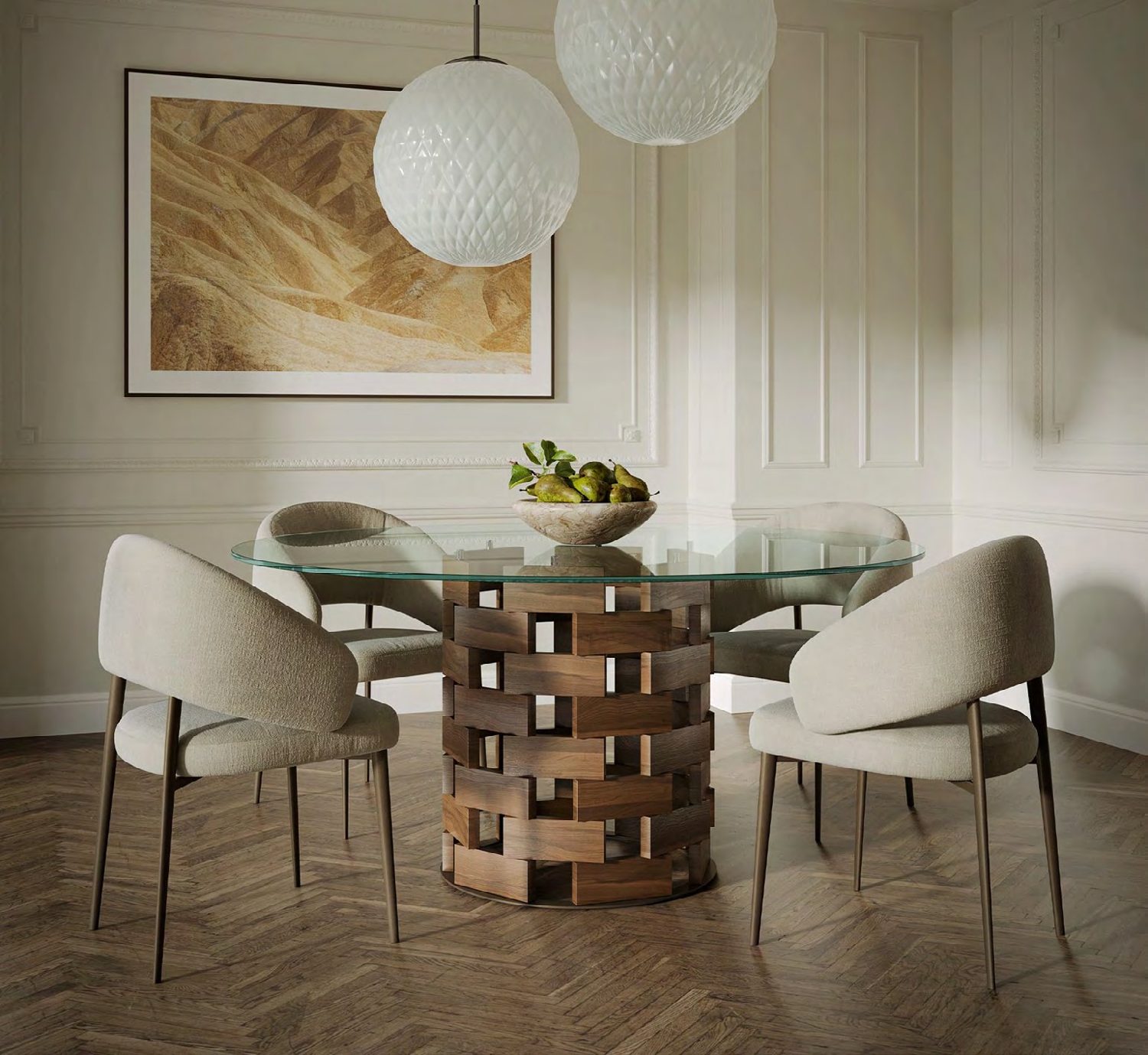
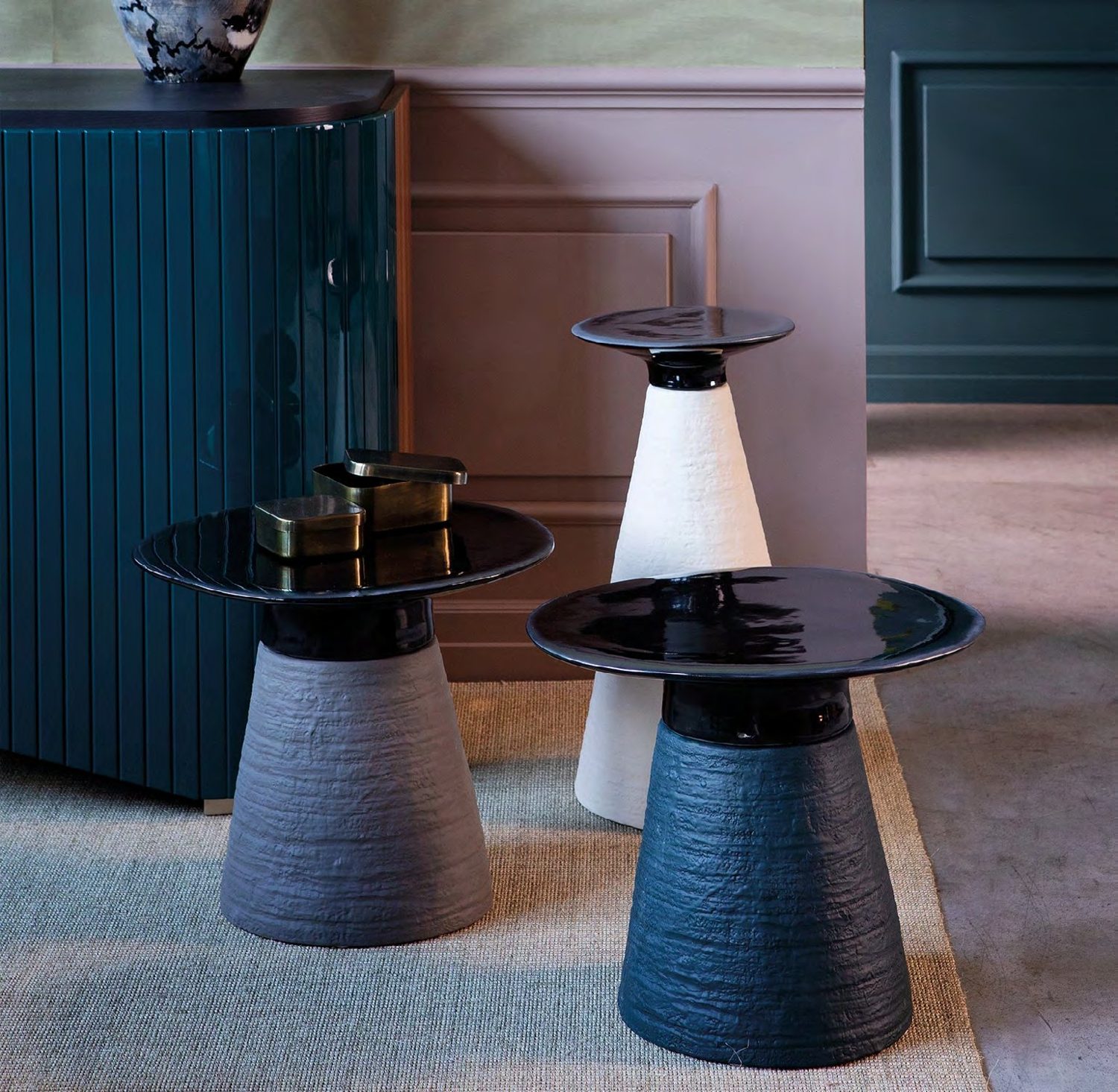
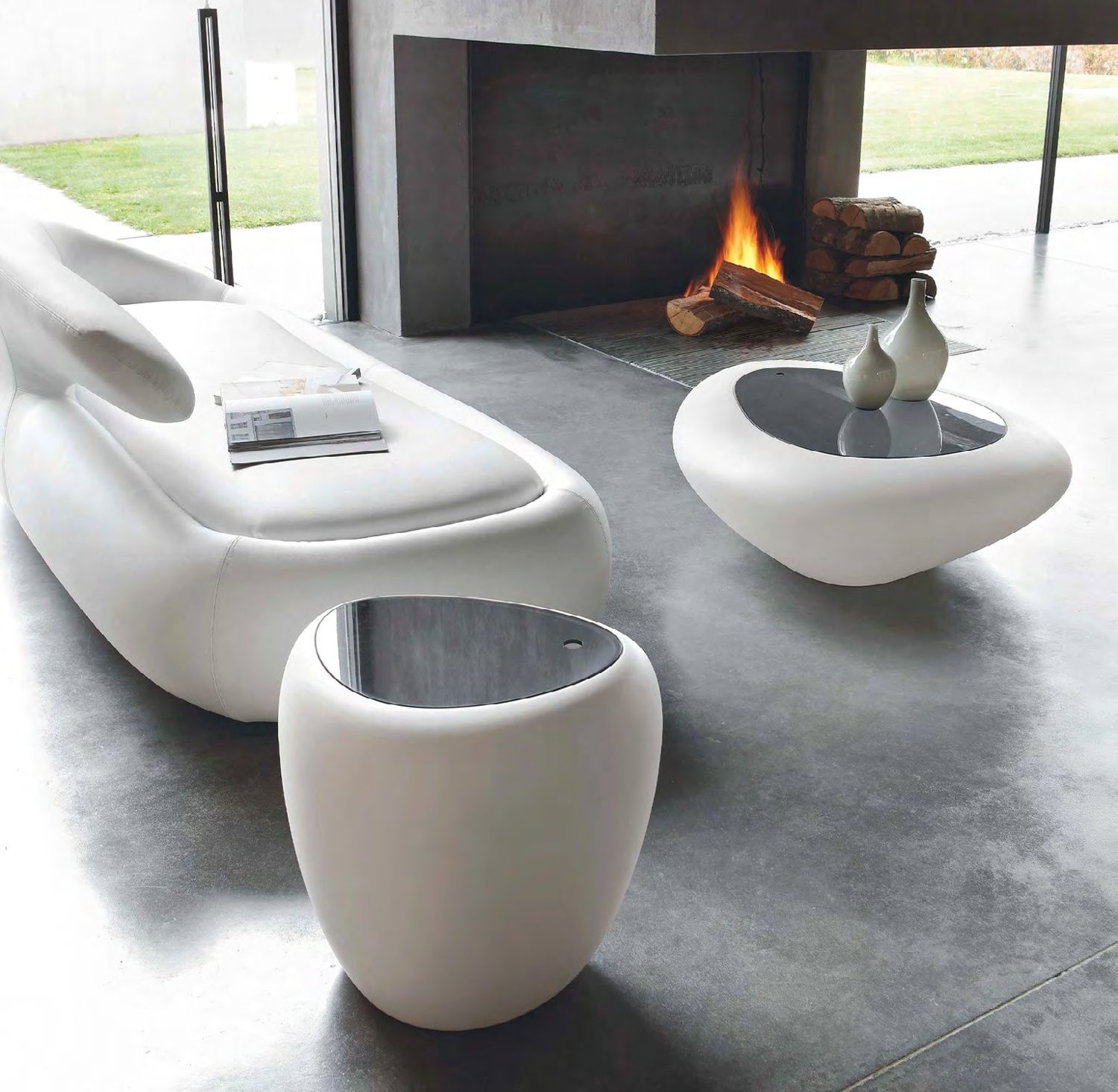
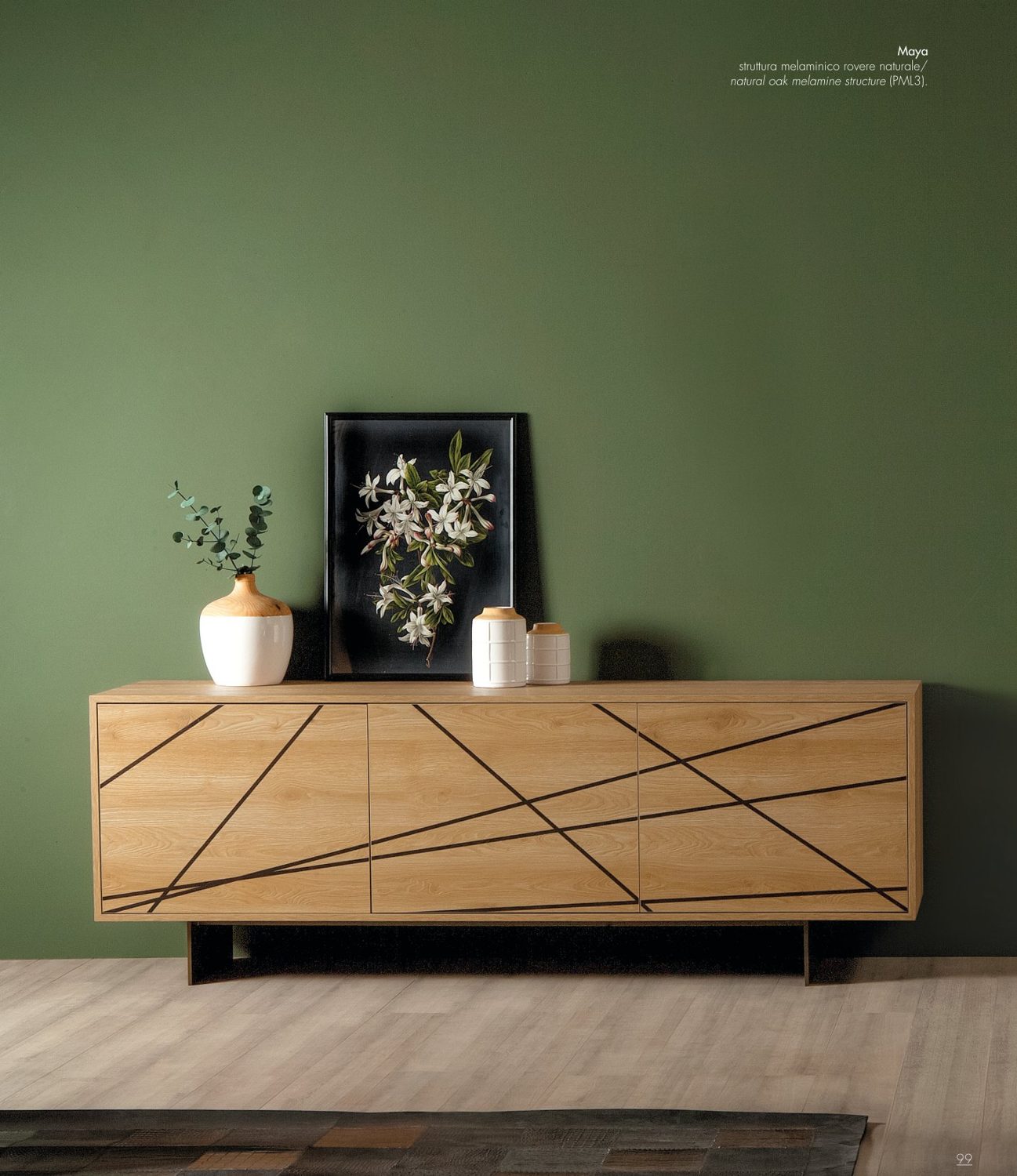
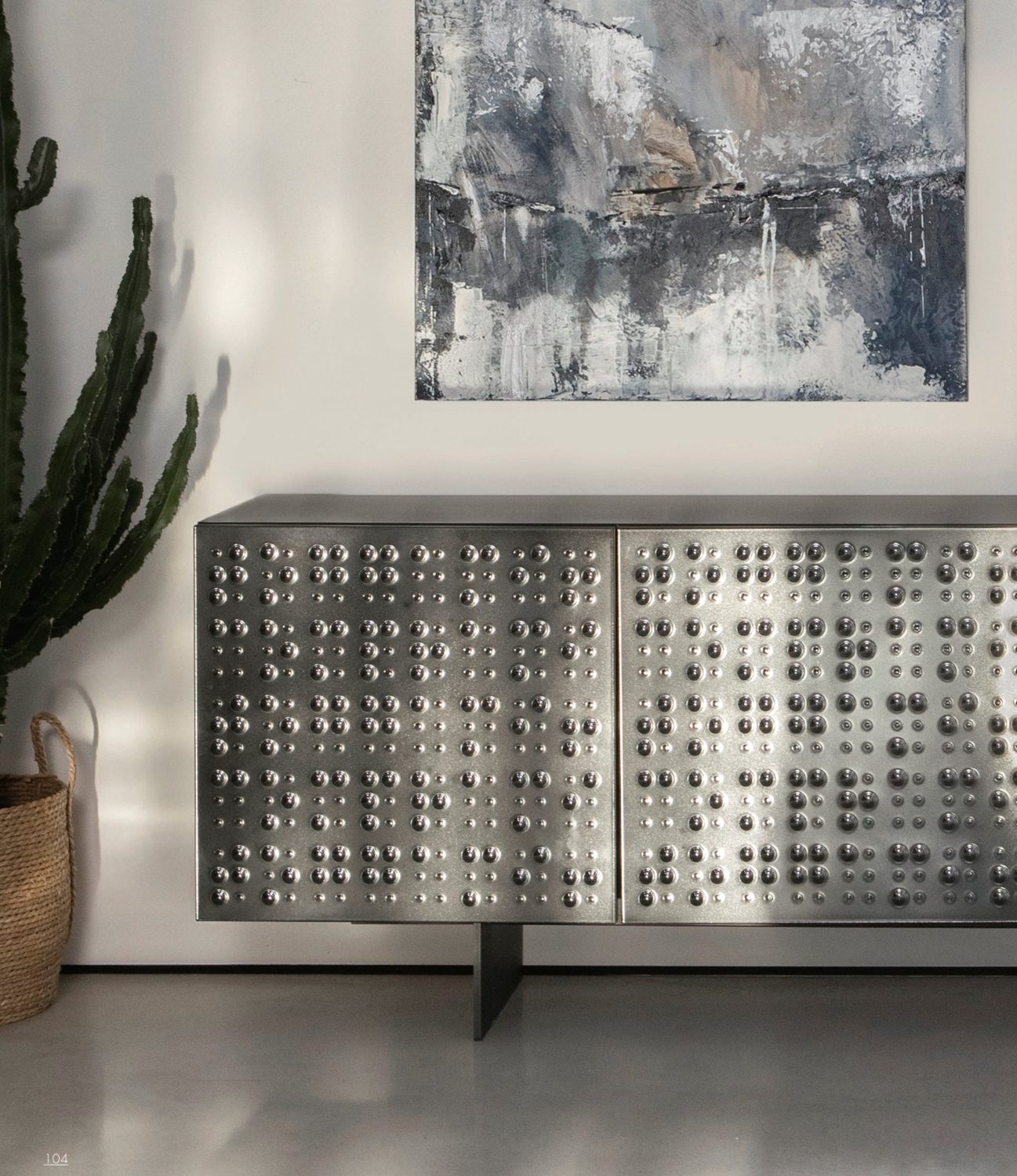
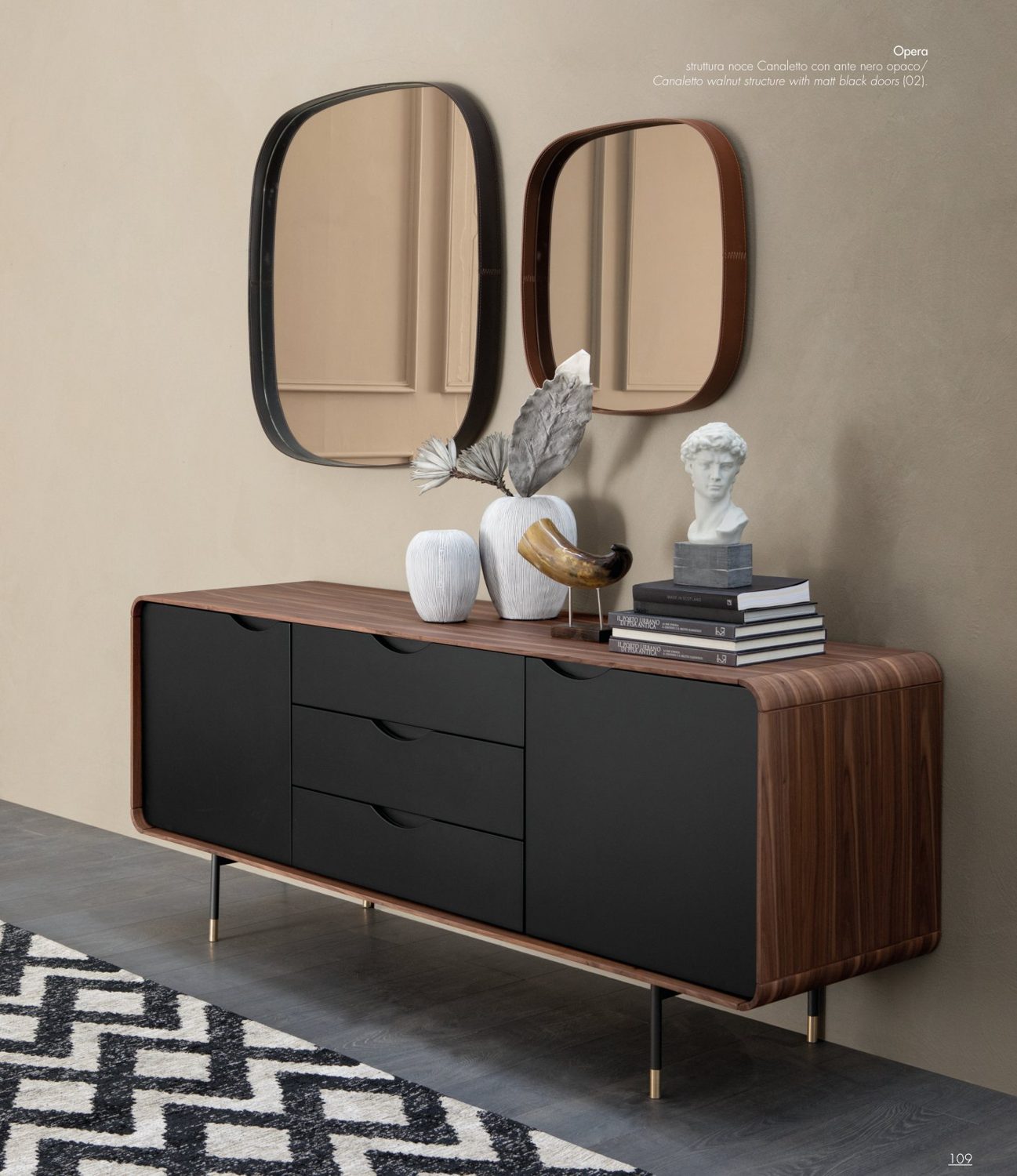
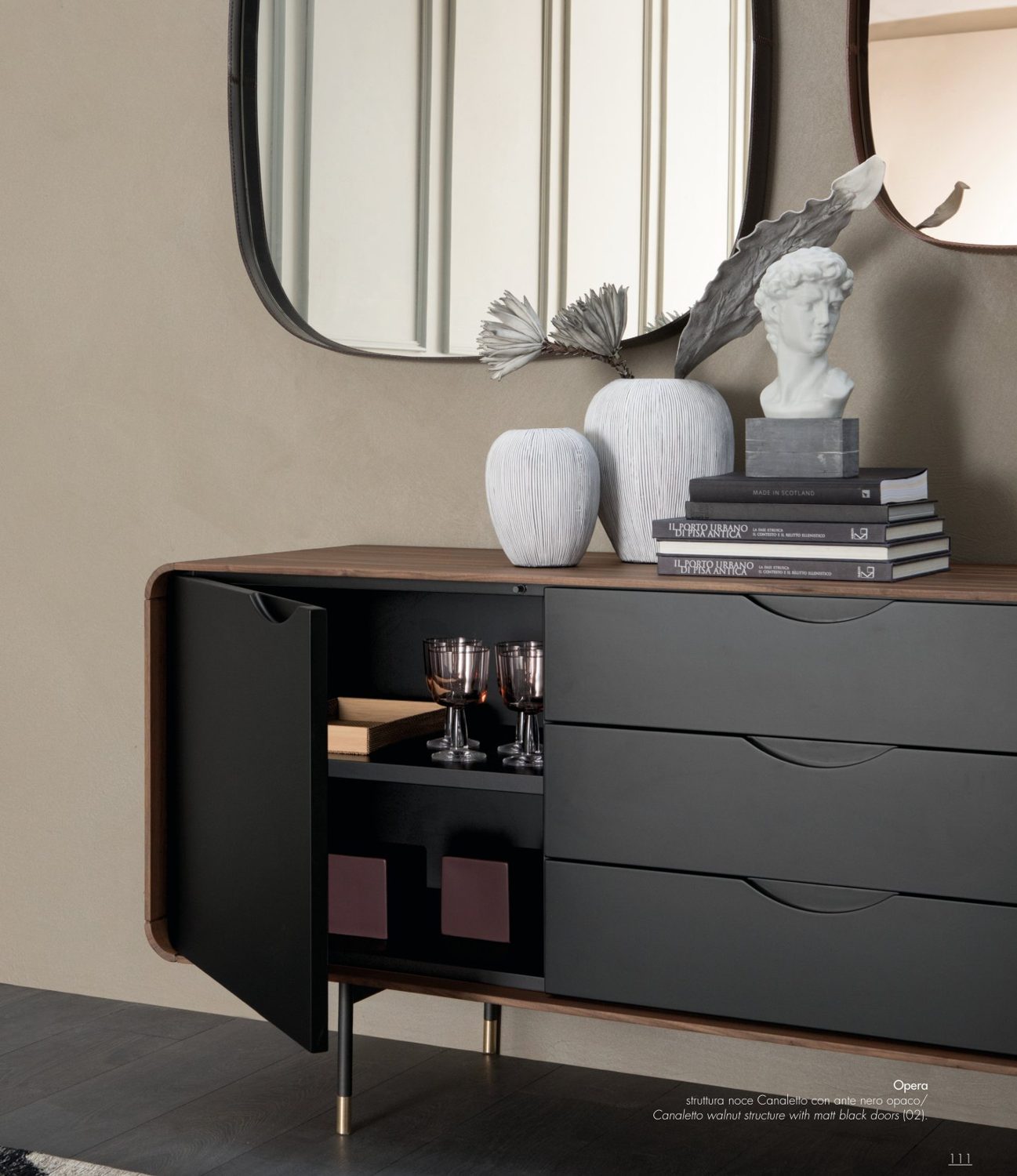
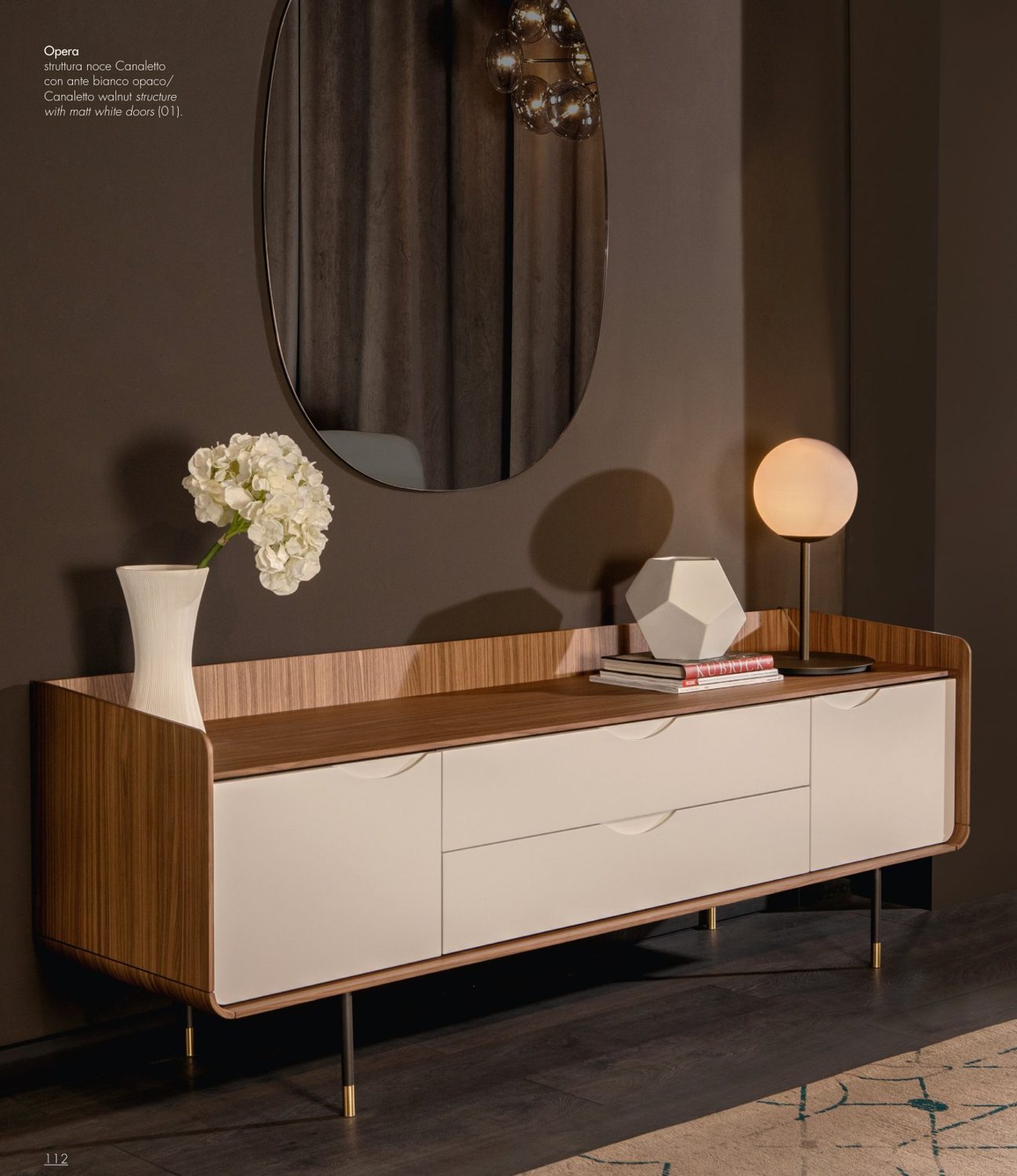





Tonin Casa: a Veneto factory with the lowest prices on credenzas and coat stands
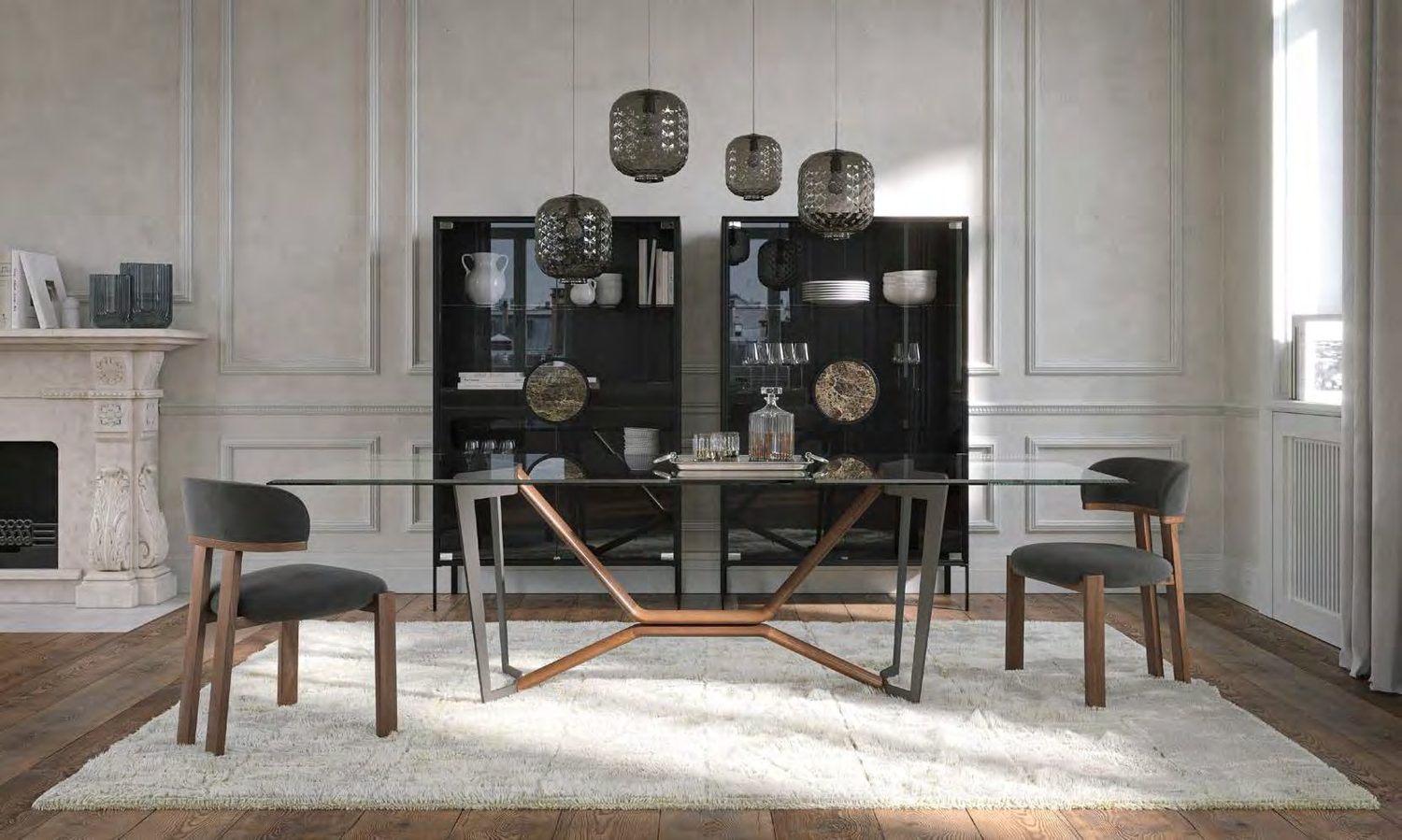
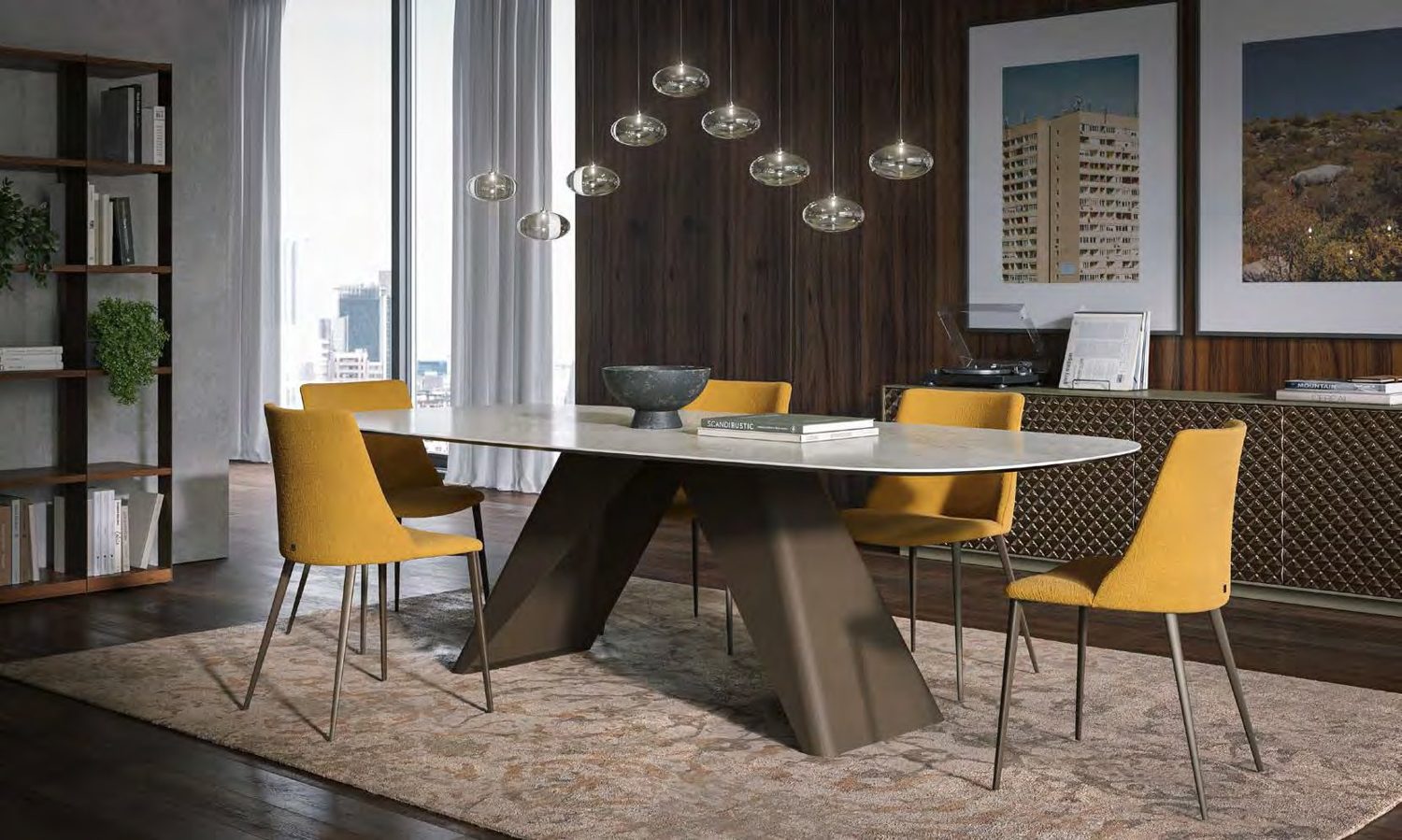
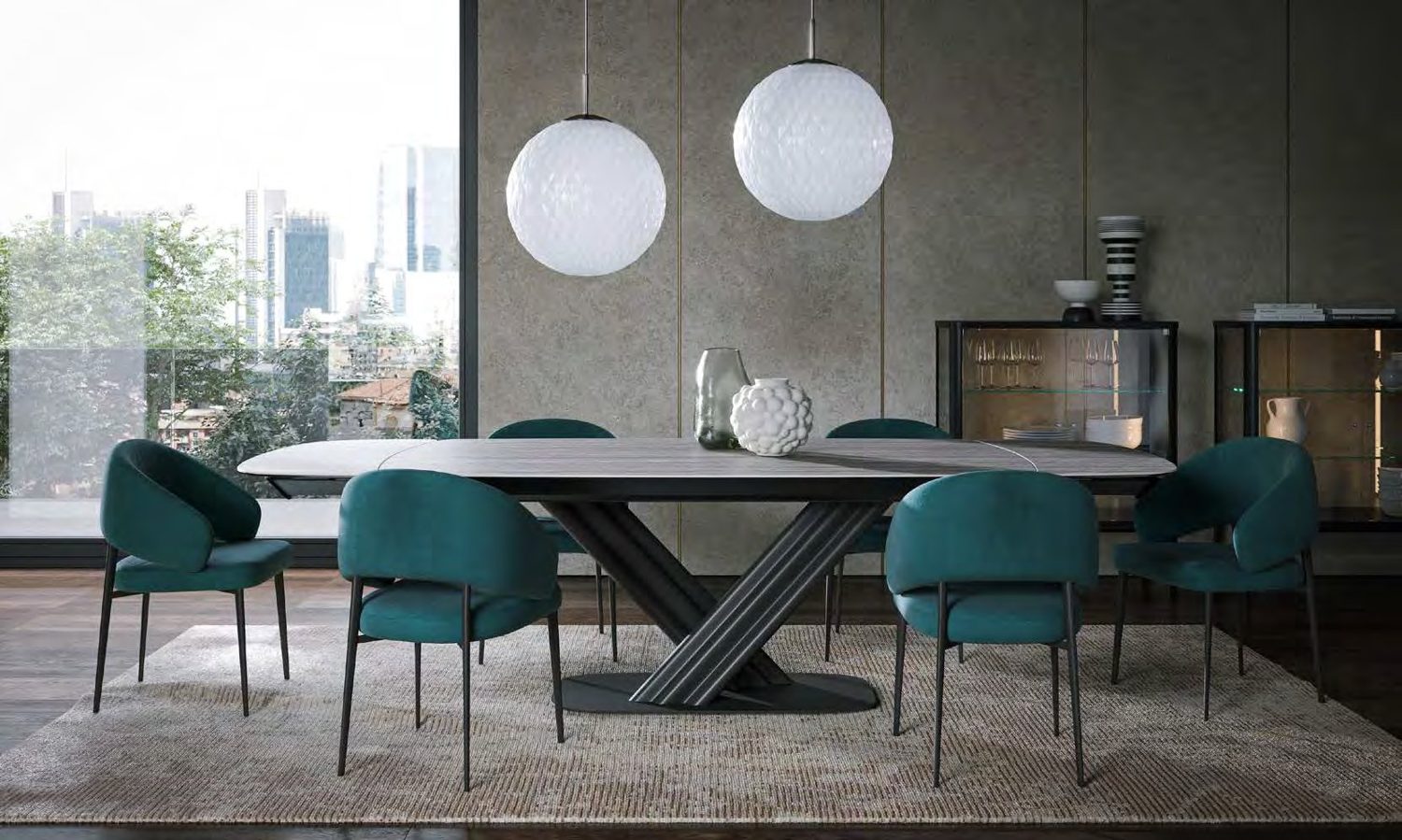
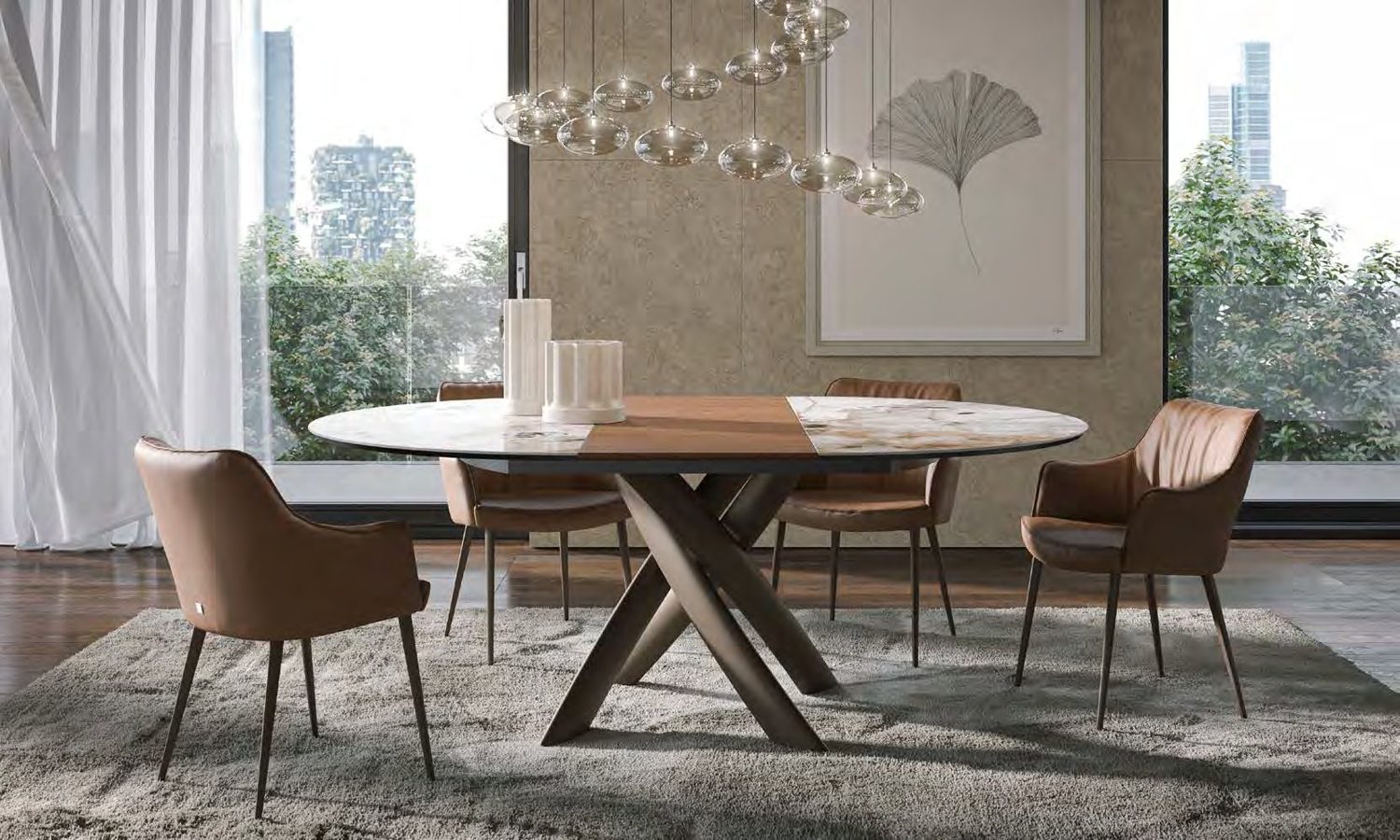
Tonin Casa was founded in 1975 by Gianni Tonin under the name GT Tonin. The company office is in San Pietro in Gu, in the province of Padua, while production and the warehouse are in Bressanvido, in the province of Vicenza. In 1992 the factory widened its range and split it into two lines, Moderna and Classica; in 2009 it was renamed Tonin Casa with a new logo. In 2018 the group Progetto Design International acquired the factory, and in 2020 the brand Black Tie Home Decor joined it. The company profile states that production is “100% Made in Italy”, with an emphasis on solid wood and sustainable materials.
Tonin Casa has the most “whole home” range of the three: tables, chairs, armchairs, beds, wardrobes, bookcases, coffee tables, sofas, display cabinets, consoles, bedroom furniture, mirrors, clocks, lamps, rugs, accessories and wallpaper. The factory furnishes a house rather than single rooms. That is convenient for anyone fitting out an apartment or villa, and the flip side is fewer bold experiments with form than at Cattelan and more classic solutions.
Compared with the other two, Tonin Casa sits in the middle in character: more decorative than Bontempi and more restrained than Cattelan. By our prices it is also the middle: chairs and coffee tables are dearer than Bontempi and cheaper than Cattelan; tables depend on the material; credenzas and coat stands are the cheapest of the three.
Oleg’s opinion. Tonin Casa is a good choice for a classic, warm interior. I would not recommend it to someone who wants sharp forms and cold shine like Cattelan’s: Tonin follows a different logic. But if you need beautiful credenzas and consoles and the budget is limited, this is where I would start looking. It is my opinion, not a test result.
Credenzas: Tonin Casa and Bontempi almost equal, Cattelan clearly dearer
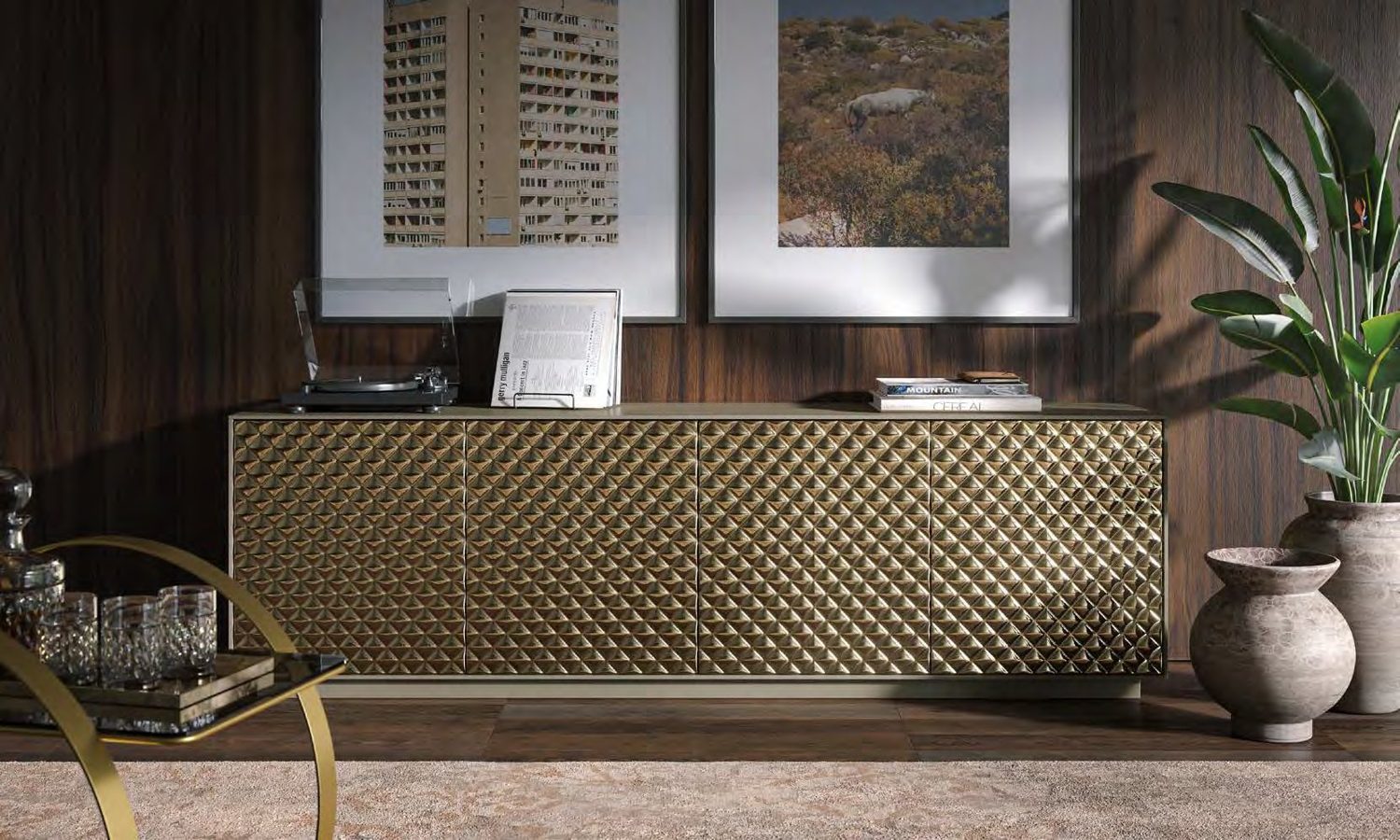
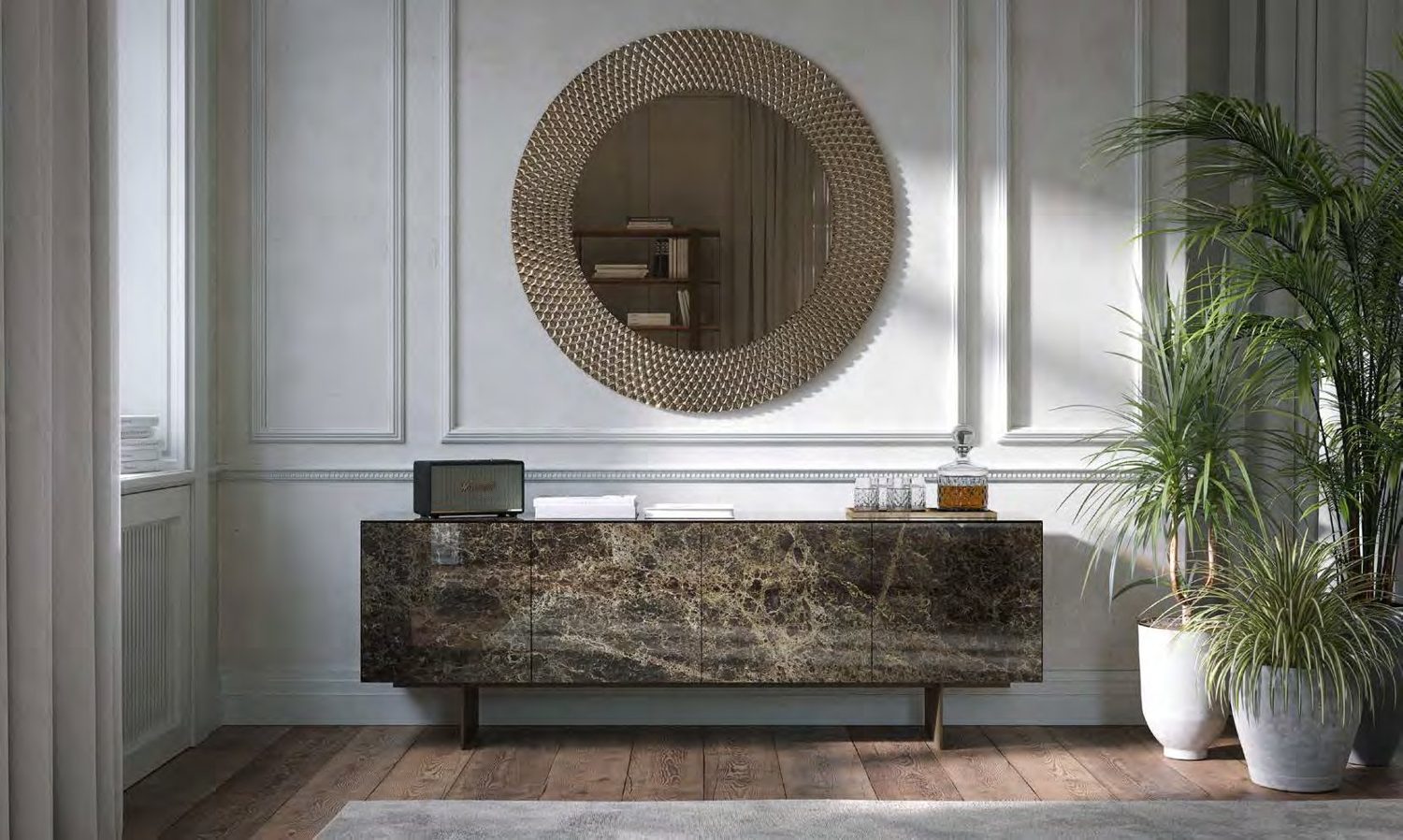
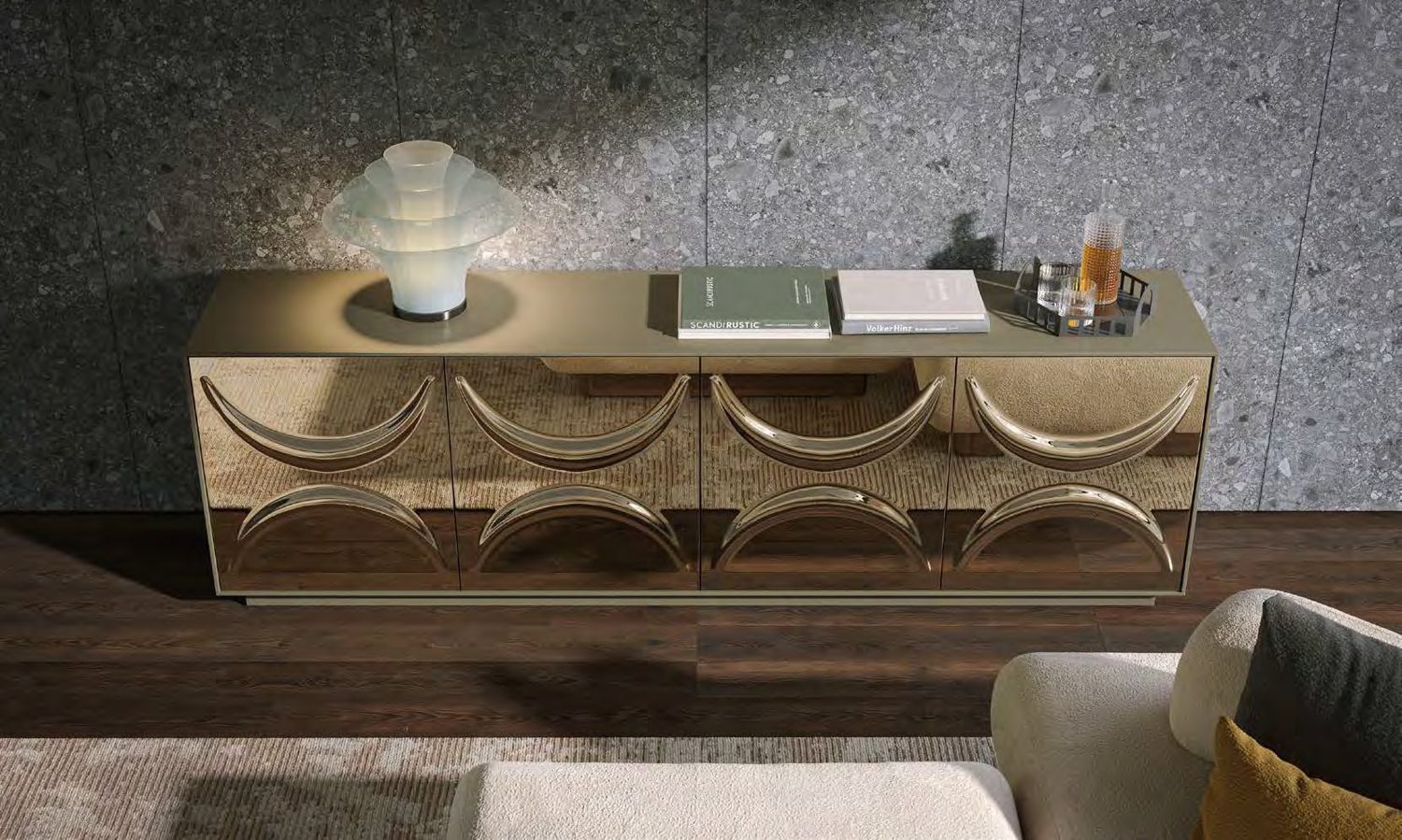
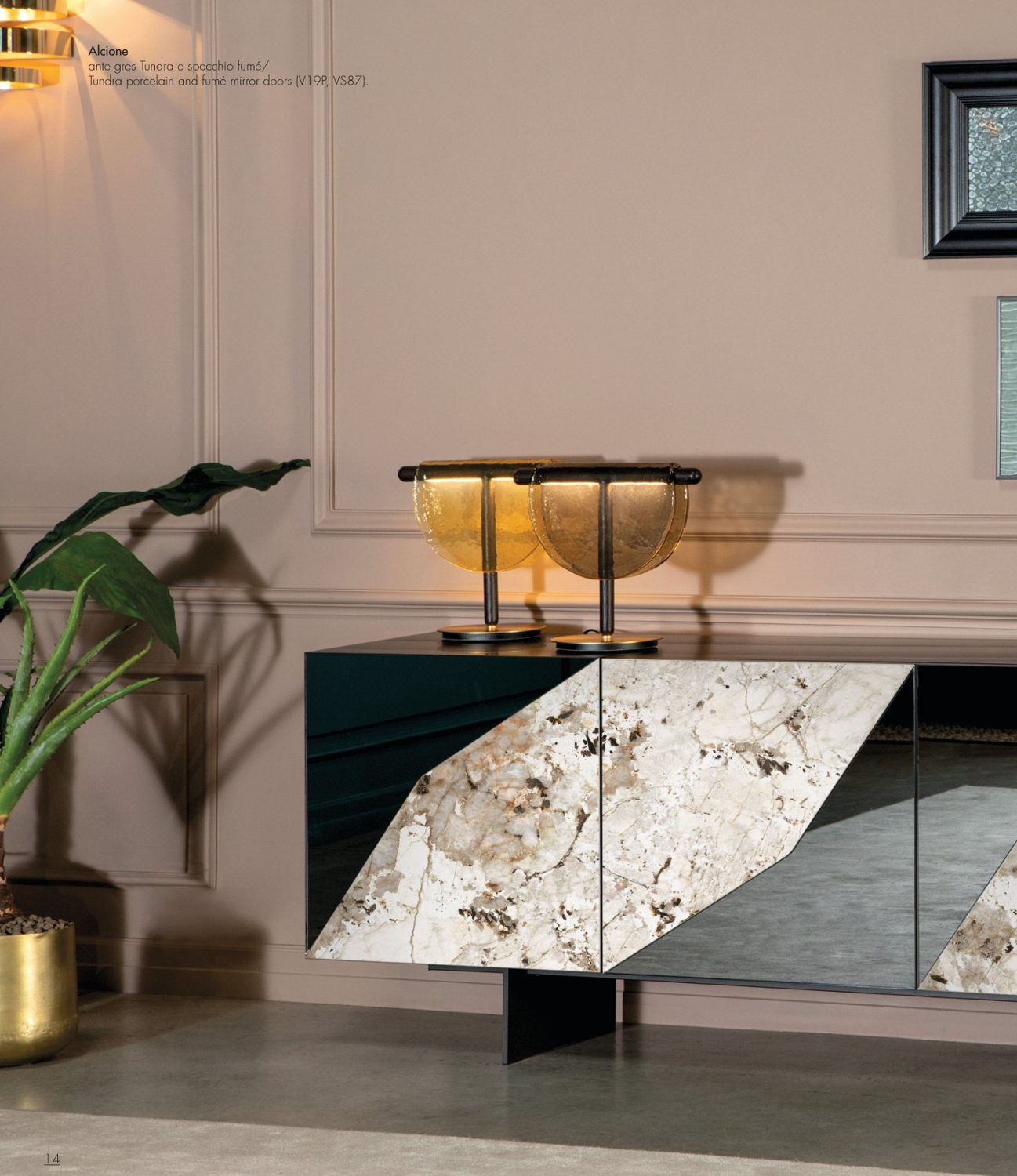
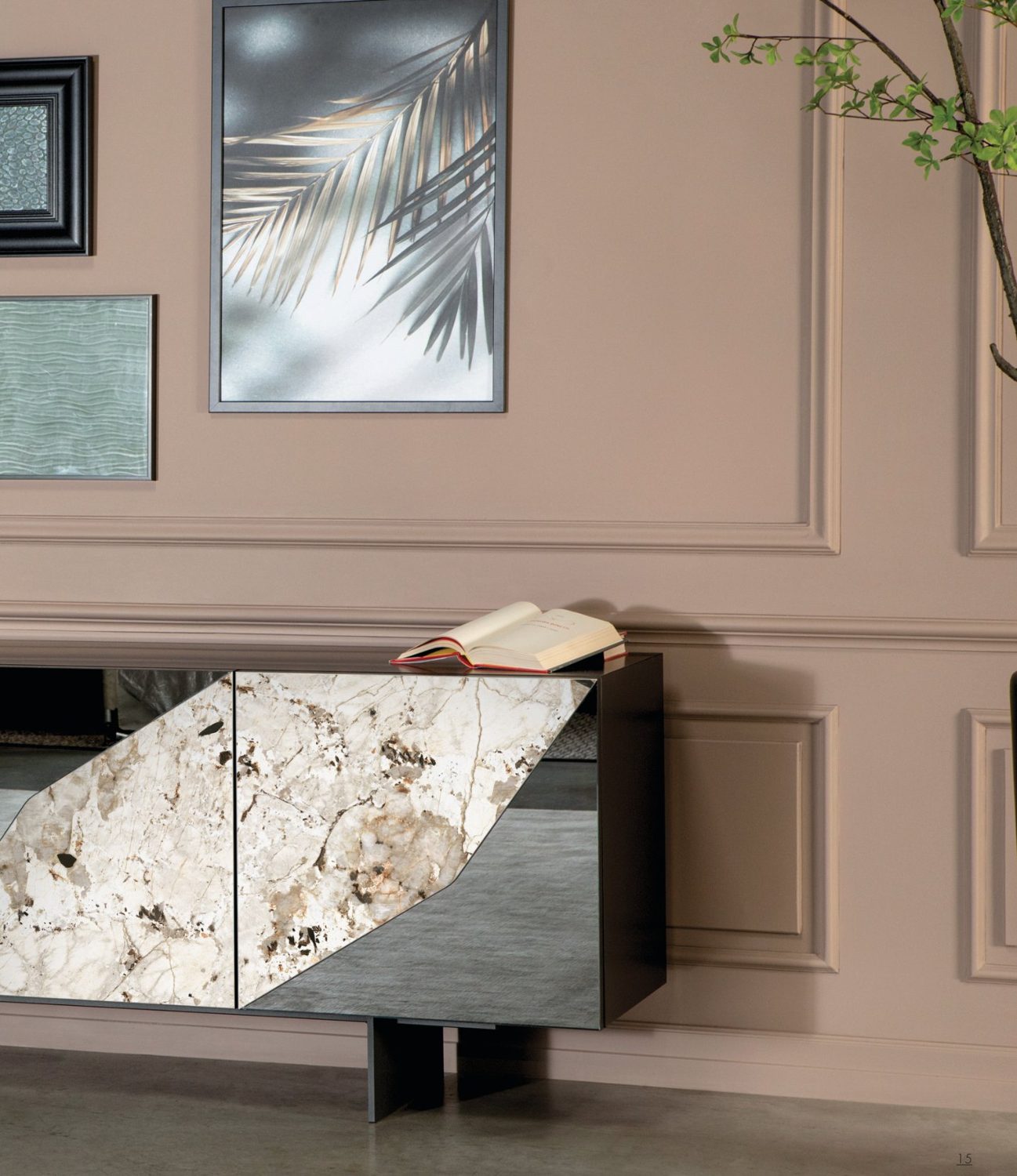
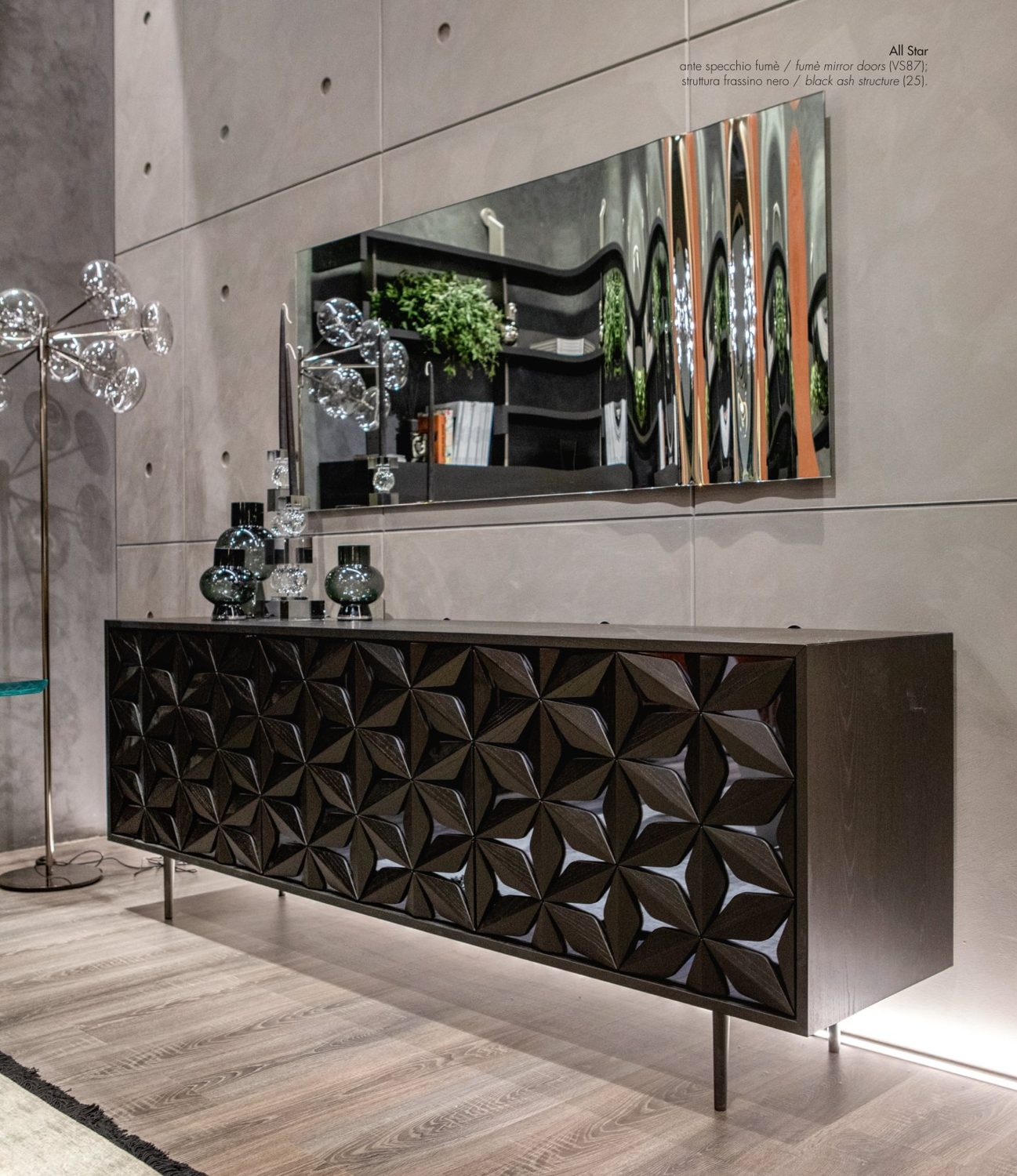
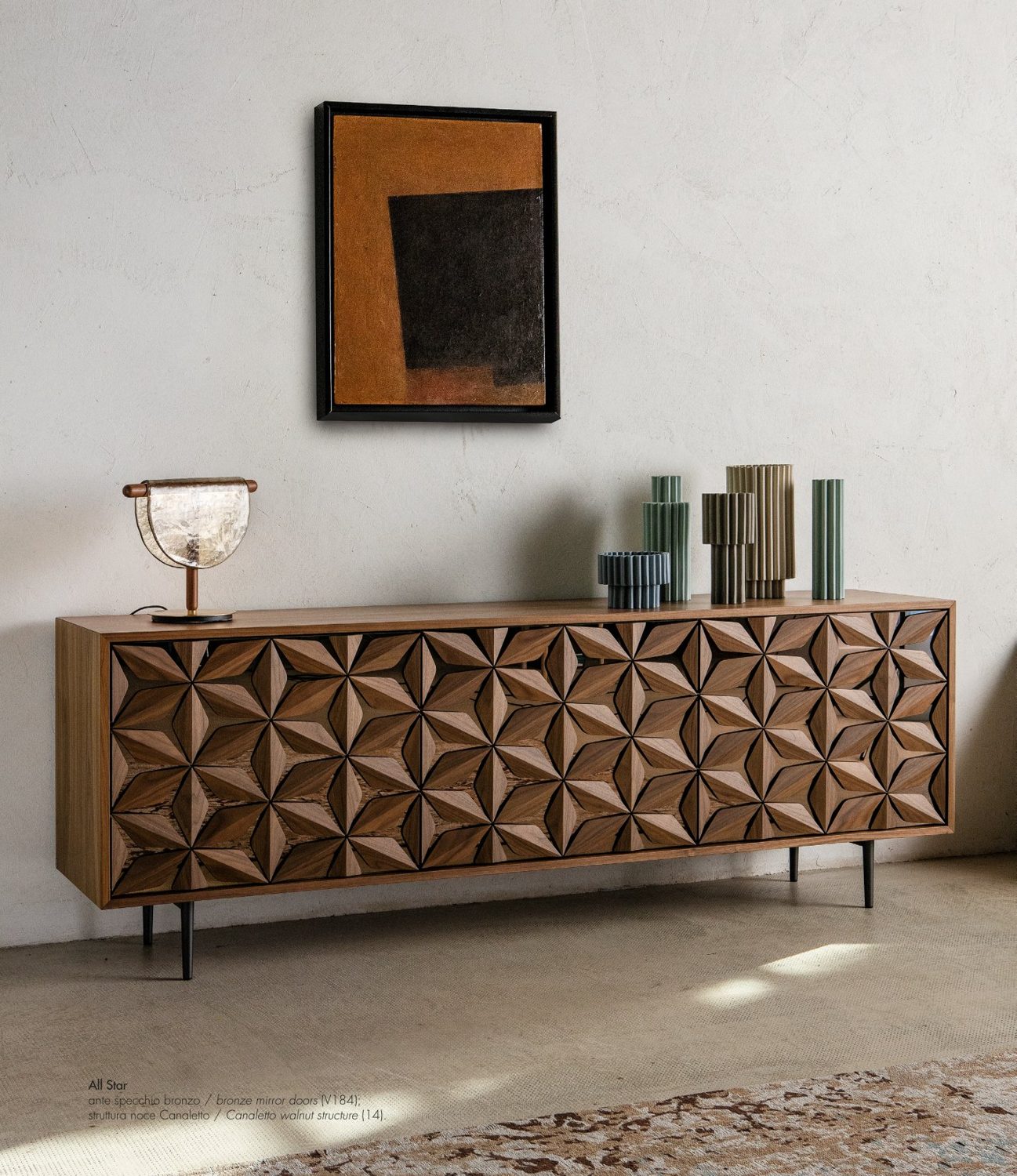
A credenza is not just a cabinet: in a modern interior it acts as the main accent of a dining or living room, so we compared credenzas separately, and the picture here is the most even. A Tonin Casa credenza costs about €2,058, Bontempi about €2,115 and Cattelan about €2,671. The difference between Tonin and Bontempi is under €60, about 3%. Both trail Cattelan by roughly 21–23%, or €560–610 per credenza.
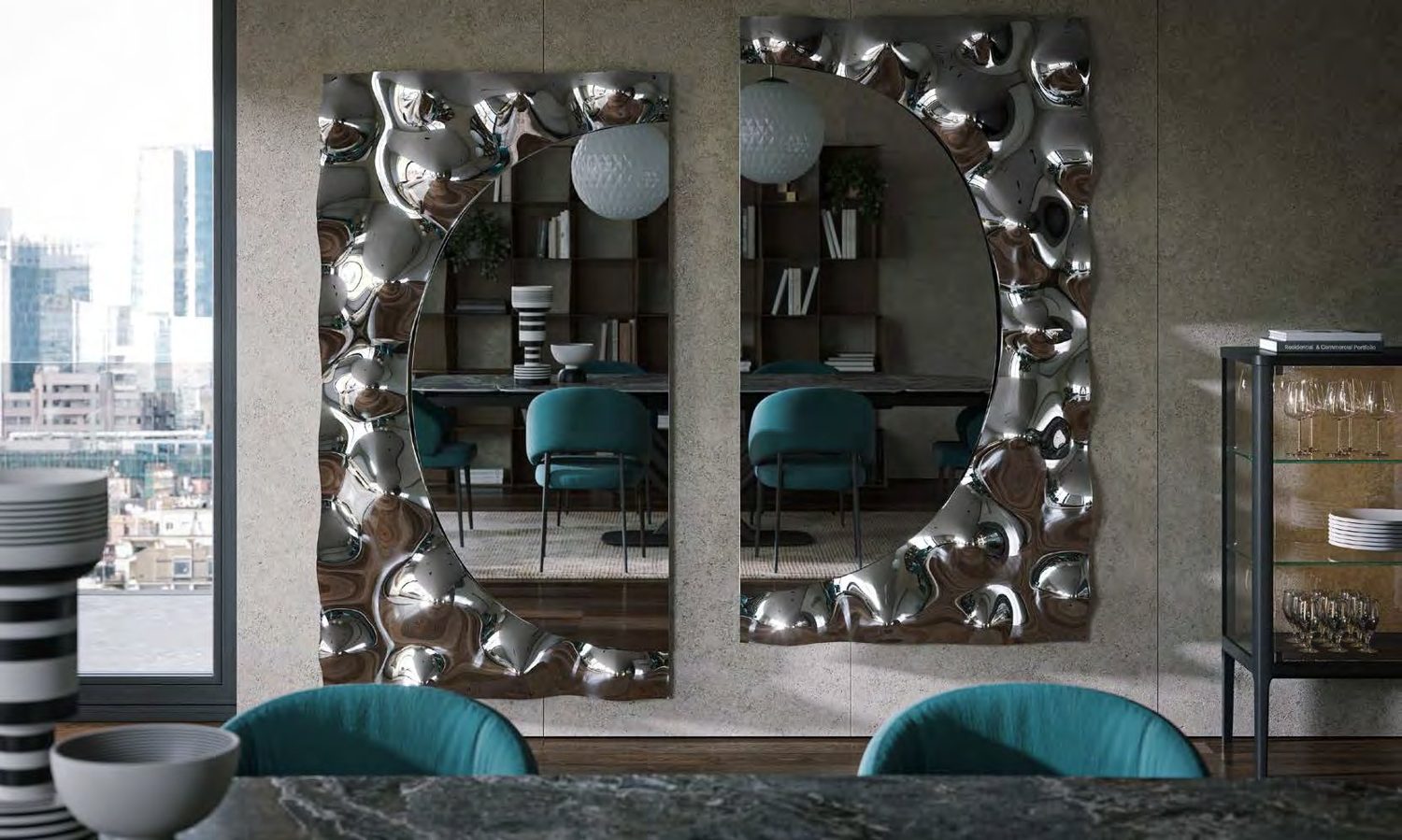
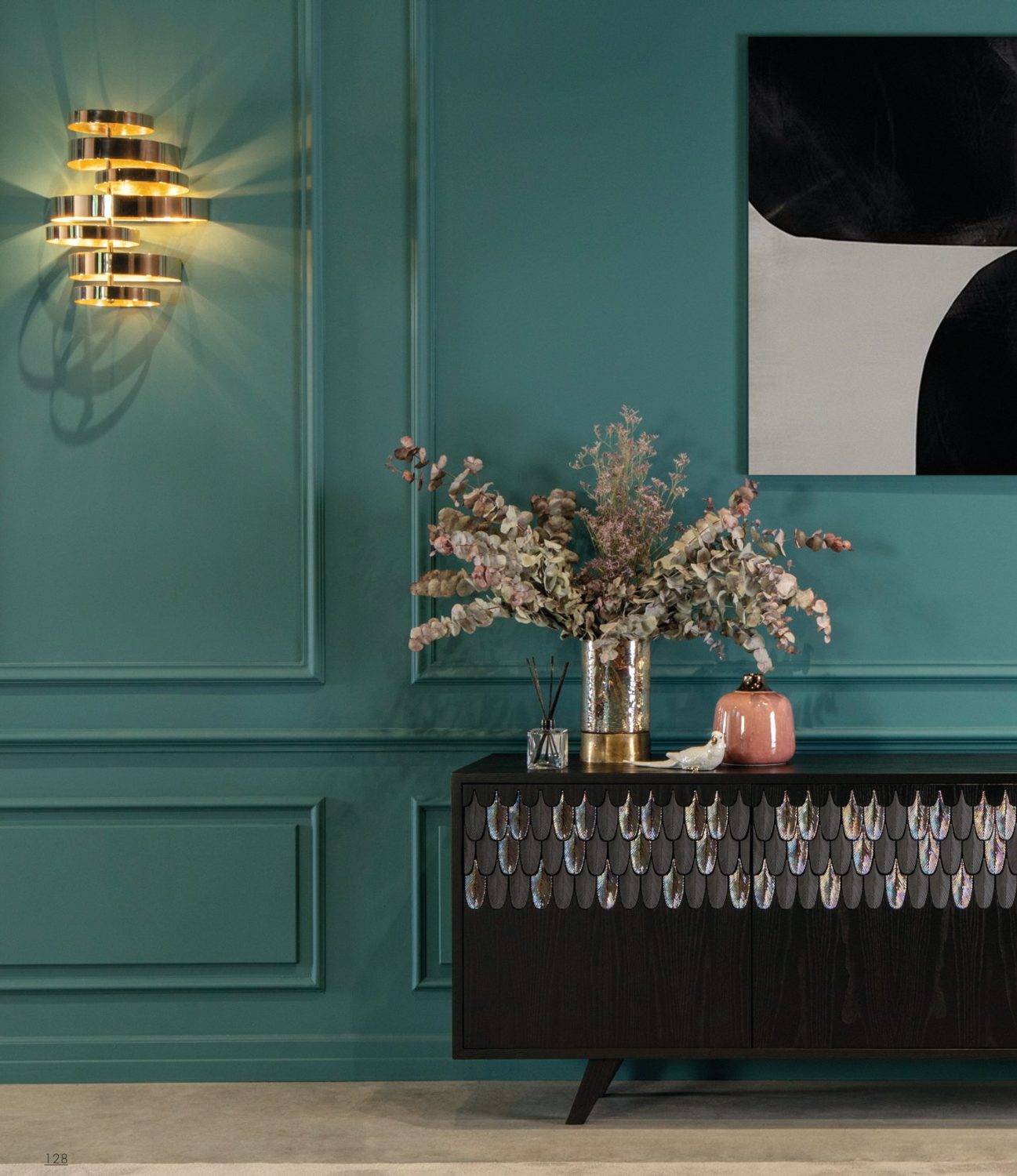
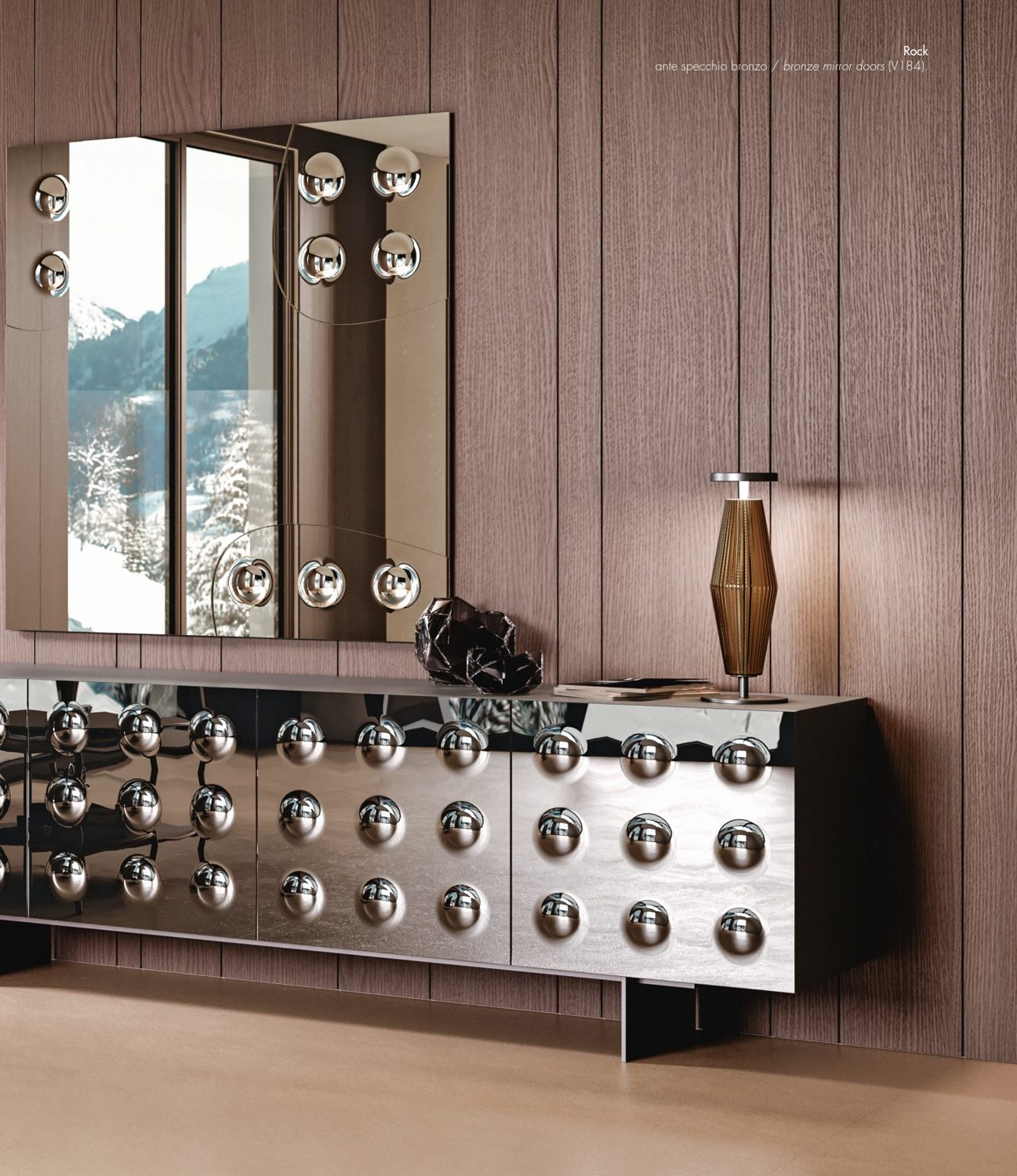
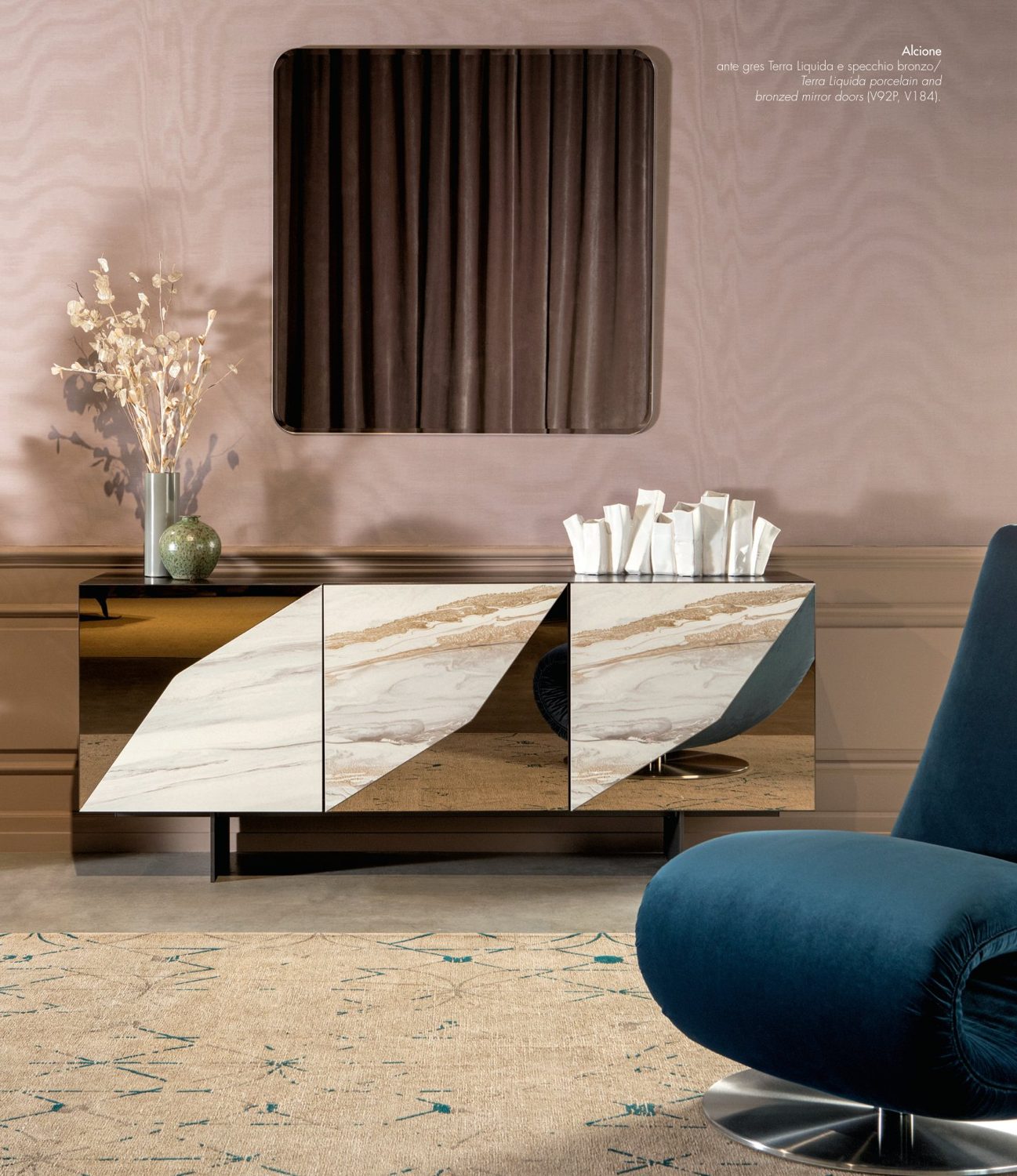
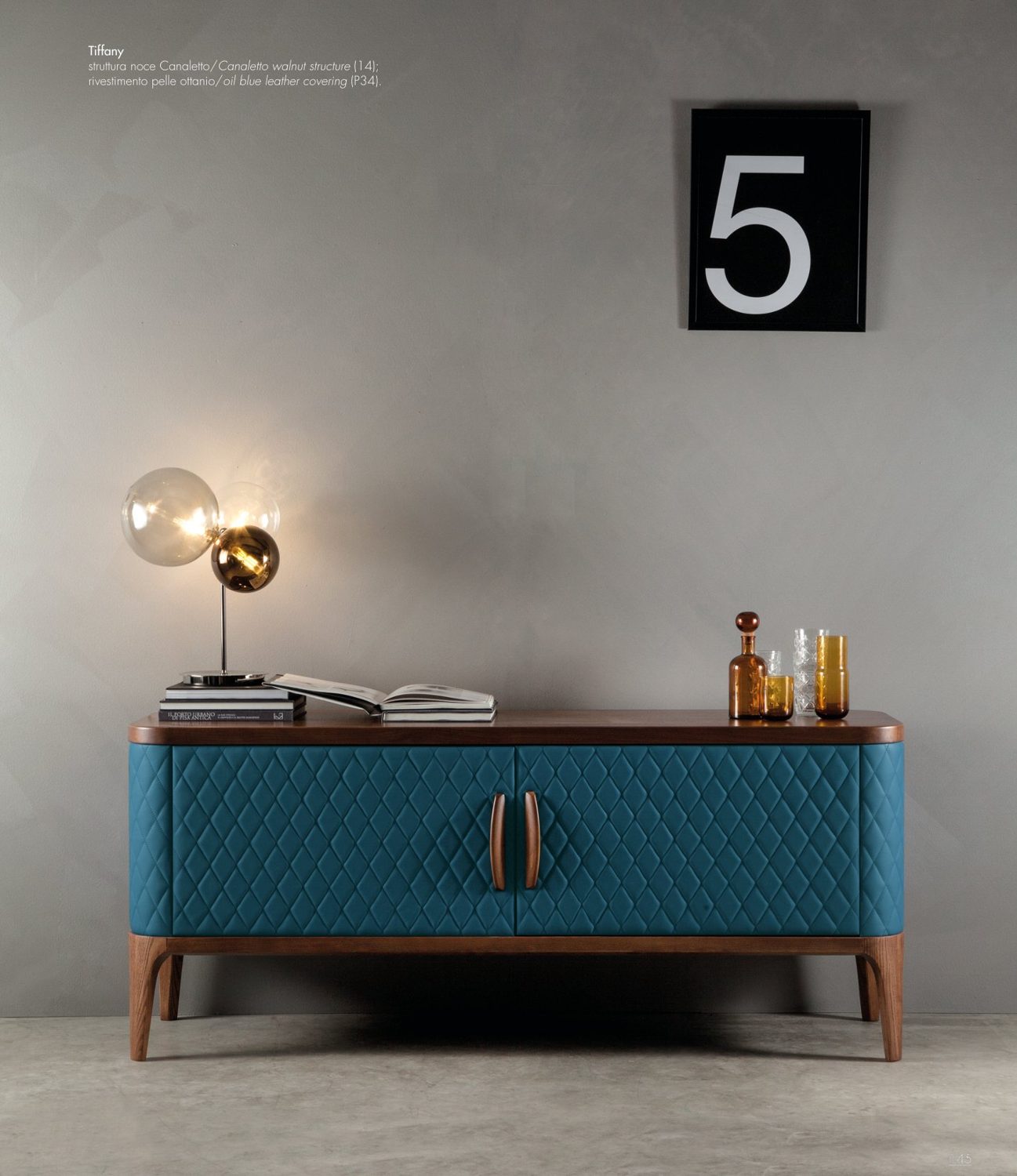
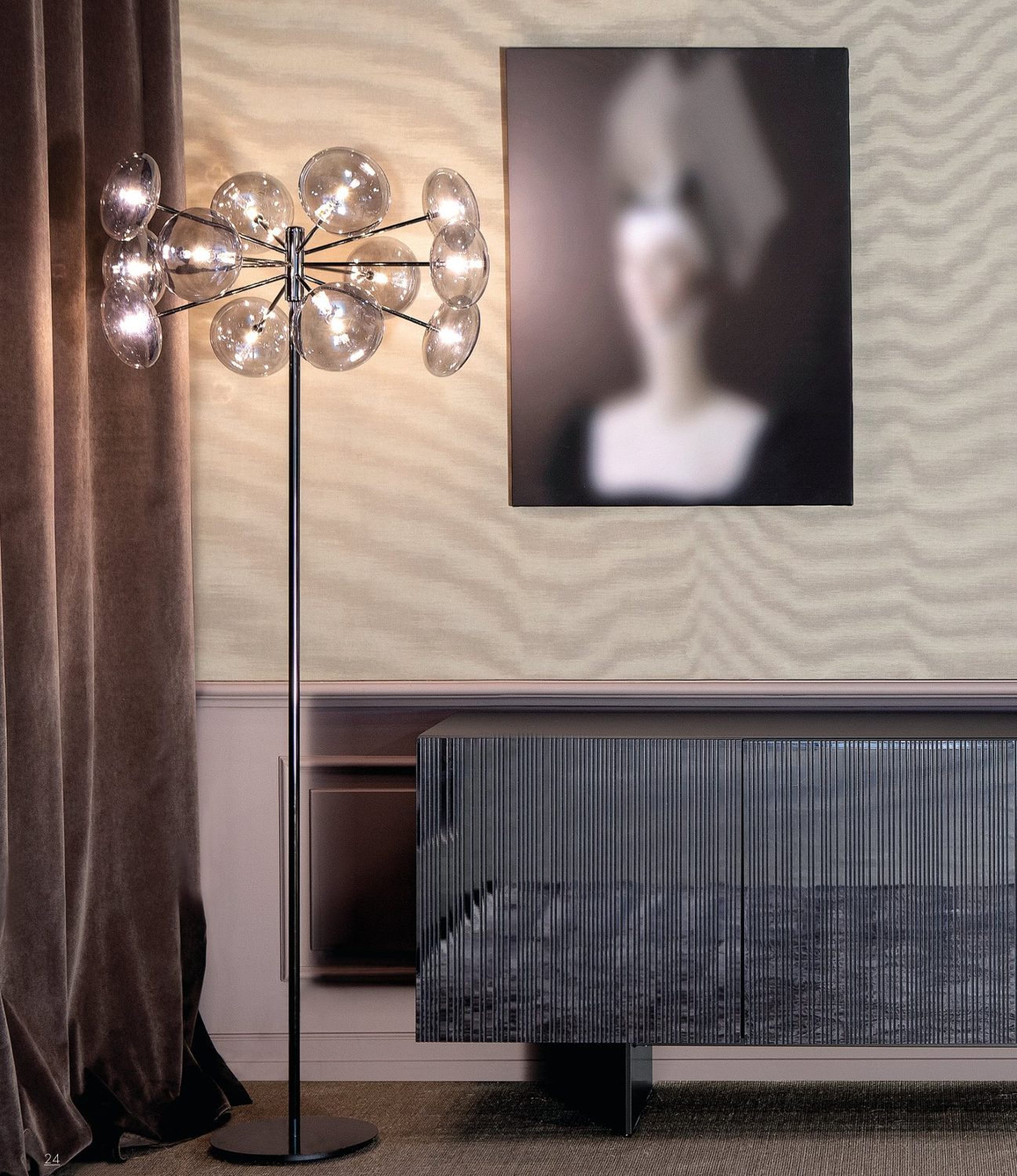
Tonin Casa’s catalogues show credenzas very broadly: stone-look and ceramic fronts, relief metal and wooden fronts, mirrored inserts, also paired with wall mirrors.
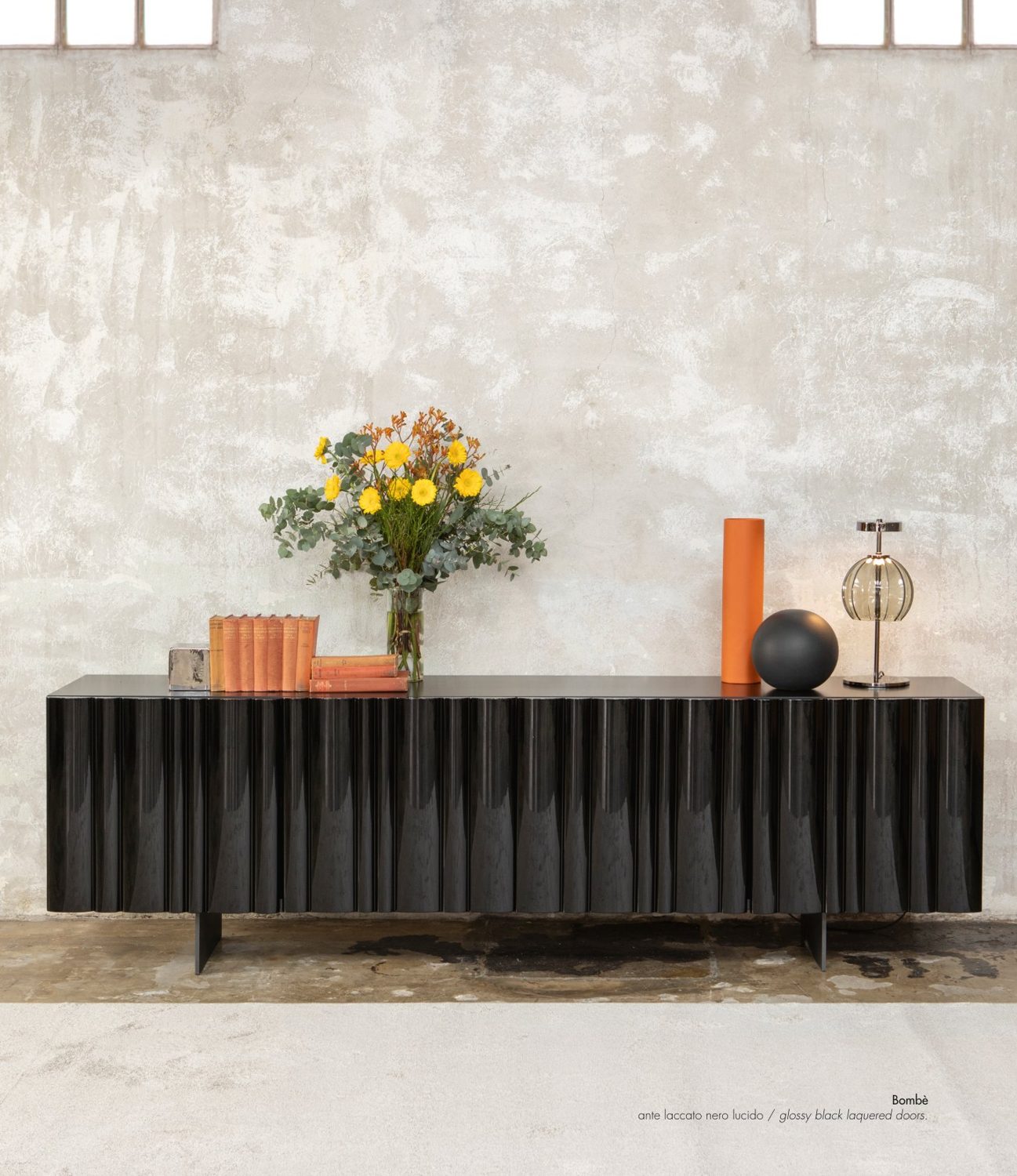
Bontempi offers more restrained credenzas in light and dark tones with minimal finishing, often with open sections for books and tableware. They suit places where the credenza should not argue with the rest. Cattelan, by contrast, makes credenzas as expressive objects: relief fronts, metal inserts, coloured fronts. So the €560–610 difference is explained not by material but by what you want to see: an interior object or a calm storage system.
When a client chooses a credenza we ask how it will stand: wall length, skirting height, sockets, and what goes on top, a TV, a mirror or just a lamp. That decides the model, depth and number of doors. The price list does not answer these questions, and a mistake in size costs more than any difference between factories.
| Factory | Price | Difference vs Cattelan |
|---|---|---|
| Tonin Casa | 2,058 | −23% |
| Bontempi | 2,115 | −21% |
| Cattelan Italia | 2,671 | — |
Coat stands: a small category where Tonin Casa pulls ahead
Coat stands are the smallest category by value, but the gap between factories is clear: Tonin Casa about €266, Bontempi about €341, Cattelan about €392. Tonin is about 32% below Cattelan and Bontempi about 13%. A coat stand rarely decides the factory, but it is often bought together with a credenza and a mirror for the hallway, and the difference adds up.
A note on range: in our sample Cattelan has only three coat-stand models, so the comparison shows the order of prices, not a wide choice. If you need a specific shape or colour, we look at all three makers and choose for your actual hallway rather than by average price.
Five common mistakes when choosing between Cattelan, Bontempi and Tonin Casa
The first is comparing factories by a single model. The price of one model in one finish says nothing about a factory, and choosing by it means the client falls in love with a picture and then learns that in the finish they need it costs a third more. We compare by category and material, as in this article.
The second is counting only the list price. Delivery, lifting, assembly and, where applicable, VAT are added to the price of furniture and differ between factories and countries. That is why we always count the total to your address, not the “ex-factory” price.
The third is buying everything from one factory for the sake of a single style. Unity looks good in a catalogue; at home, furniture from different factories chosen by colour and material often looks livelier. Just check the samples side by side so the shades do not clash.
The fourth is saving on the main item and spending on the secondary. If you save €500 on the table and spend €600 on extra chairs, the result is worse than doing the opposite.
The fifth is not seeing at least one item in person. Catalogue photos are retouched, and colour, gloss and texture look different in reality. A fabric sample, a ceramic sample and one showroom visit remove most surprises.
How to read an Italian factory price list
An Italian factory price list is usually not a simple table of model and price but a set of codes with add-ons. The base code gives the price of the item in the minimum configuration and size, and then come supplements: another size, finish, upholstery, extra elements. So two models that show the same “from” price in a catalogue can differ by hundreds of euros in the final configuration.
Another feature is finish groups. Fabrics and leathers are split into categories and the price rises from one category to the next, while colours inside one category cost the same. When you choose a colour we check which category it falls in and warn you if a beautiful shade sits in an expensive group while a similar one sits in a cheaper group.
The third point is minimum quantities and lead times. Some finishes and models are made to order, and then lead time and payment terms are agreed separately. We clarify this at the quotation stage, not after payment.
Summary table: all five categories on one page
So that you do not have to hunt for numbers in the text, here is everything together. Tables are shown by the three most common materials; other materials are in the tables section above.
| Category | Cattelan Italia | Bontempi | Tonin Casa |
|---|---|---|---|
| Dining table, glass | 2,688 | 2,986 | 2,090 |
| Dining table, ceramic | 3,308 | 3,004 | 2,928 |
| Dining table, wood | 3,390 | 2,470 | 2,894 |
| Chair | 457 | 283 | 399 |
| Credenza | 2,671 | 2,115 | 2,058 |
| Coffee table | 542 | 321 | 474 |
| Coat stand | 392 | 341 | 266 |
Across the four non-table categories Bontempi is on average about 28% below Cattelan and Tonin Casa about 20% below, and Cattelan is the most expensive in all four. For tables the winner depends on the material: Tonin Casa for glass, marble and travertine, Bontempi for wood, while ceramic costs about the same at all three.
Which factory to choose: short scenarios
If the table is the main object in the house
Take Cattelan Italia. It has the most material options, the most expressive bases and the most coherent collection. You will pay more than at the other two (in our sample the difference on tables is 9% to 27%), but a table of this level usually serves as the centre of the interior for decades.
If you need a large wooden table for 8–10 people
Look at Bontempi. The cheapest wooden table in our sample, about €2,470, is €920 below Cattelan. Chairs are also best taken from Bontempi, and for an accent you can add separate armchairs from Cattelan.
If the interior is classic, a house or a large apartment
Look at Tonin Casa. Credenzas, consoles, coffee tables and mirrors combine into one set, and its prices on credenzas and coat stands are the lowest. Its glass and stone tables are also cheaper than the competitors’.
If the budget is limited but you want a good result
Combine. Table from Cattelan or Tonin Casa, chairs and coffee table from Bontempi, credenza from Tonin Casa. We work with all three factories, so we can put a mixed set into one order and bring it in one shipment. One condition: look at finish and fabric samples together, because the same “grey” differs from factory to factory.
Where to start: the main item first, then everything else
When a client asks which of the three to choose, we first ask what the main object in the room is: the table, a chandelier or the credenza. Everything else is built around it, and that is where to spend more. The rest is chosen so that the main item stays the main item: chairs calmer than the table, a credenza that does not argue with it, lighting that underlines the material.
In practice, if the main item is a Cattelan table, the rest can come from Bontempi or Tonin Casa, saving on chairs and credenza. If the main item is a Tonin Casa credenza, the table and chairs can come from Bontempi. We use this approach when planning purchases, and it is usually better value than “everything from one factory”, if only because each factory has categories where it is weaker.
How an order works with Mebeltour: from drawing to payment
If you decide to order, the process looks like this. You send the room dimensions, the layout and the models you like. We draw the project in 3CAD, and if the composition is too complex we ask the factory to calculate it. Then we send you the drawing and our price, and you can make changes: clients usually go through five or six rounds before sizes, finishes and fabrics are right.
Once the project is approved we place the order with the factory and confirm finishes and textures. Payment goes directly to the factory: 50% prepayment at ordering and the balance on the factory’s terms. Our commission, a fixed 5%, is taken in two parts: the first with the prepayment, the second later. If you pay through a company abroad, in some cases a VAT exemption is possible, and we explain the correct payment order before you pay.
Many clients visit the factories themselves to see samples and decide which factory gets which part of the order. We meet you at the airport, suggest a hotel and take you round the factories. If you cannot come, we discuss finish and fabric samples separately and decide how to get them to you. Delivery is possible to countries across Europe and beyond, and we plan it separately for your address.
What to check before ordering from any of the three factories
The list is short, but we have met every item in real orders. First, dimensions: check length and depth against the room plan and make sure the furniture will pass through doors and the lift. Second, finish: judge colour and texture from a sample, not a catalogue, because screens and print distort shades. Third, what is included: ask whether chairs, base, legs, glass shelves and fittings are in the price, as lists sometimes show them as separate lines. Fourth, lead time: get it from the factory in writing and allow a margin, because it depends on production load. Fifth, documents: a contract and invoice for the exact configuration, with codes, finish and dimensions, not just the general name of a model.
How much you can save buying through Mebeltour
We buy furniture directly from the factory for the client, the commission is a fixed 5%, and the saving against dealer retail is usually 40–55%. The prices in this article already include our discount. We confirm the final amount with a factory document for the exact configuration, because the price depends on finish, upholstery and size, and you see it before you pay.
To price a set, send us the room dimensions, a photo of your current interior and a few models you like, including from factory websites. We will propose equivalents at other factories where one of them is significantly cheaper for your configuration.
FAQ: Cattelan Italia, Bontempi and Tonin Casa
Which of the three factories is the most expensive?
Cattelan Italia is the most expensive in every category except tables: its chairs, credenzas, coffee tables and coat stands cost more than Bontempi’s and Tonin Casa’s. For tables it depends on the material: a Bontempi glass table costs more than Cattelan’s.
Where are the most affordable chairs?
At Bontempi: about €283 per chair at Mebeltour prices, against €399 at Tonin Casa and €457 at Cattelan Italia. On a set of eight chairs the gap between Bontempi and Cattelan is about €1,392.
Which factory is best for wooden tables?
On price, Bontempi (about €2,470 for a typical 240×120 cm table), then Tonin Casa (about €2,894) and Cattelan Italia (about €3,390). If presentation and an unusual base matter more than budget, Cattelan is also worth a look.
How does Tonin Casa differ from Bontempi?
Tonin Casa leans to classic, warm interiors and furnishes the whole home, from tables to rugs and wallpaper. Bontempi makes calmer, more universal furniture and is especially strong on price in chairs and coffee tables. On credenzas the prices almost coincide.
Can I build a set from several factories?
Yes, it is common practice: table from one factory, chairs from another, credenza from a third. We assemble an order from several factories and deliver it in one shipment. It is important to see colour and texture samples side by side first so they do not clash.
Do I need to visit the factory to order furniture?
Not necessarily, but many clients do: in one trip you can see several showrooms, touch the materials and decide which factory gets which part of the order. If you cannot come, we discuss samples and finishes separately and agree everything from drawings.
Do I pay the factory directly?
Yes. The client pays the factory directly: 50% prepayment at ordering and the balance on the factory’s terms. Our commission is a fixed 5%, taken in two parts.
Where do these prices come from and how accurate are they?
They are Mebeltour prices: the factory’s retail list price excluding VAT, minus our discount, from current price lists. They show a reference for a category, not the price of a specific model. We confirm the exact amount for your configuration with a factory document.
Want the price of your set?
Send us the room dimensions and the models you like, and we will calculate the cost at each of the three factories.
Get a quote